
Last updated September 10, 2026
Level 1 sweep and inspection to the NFPA 211 annual standard - flue, crown, cap, and flashing checked and photographed
Chimney sweep logs do not sweep chimneys. They loosen some creosote - which then falls where a brush and vacuum still have to collect it.
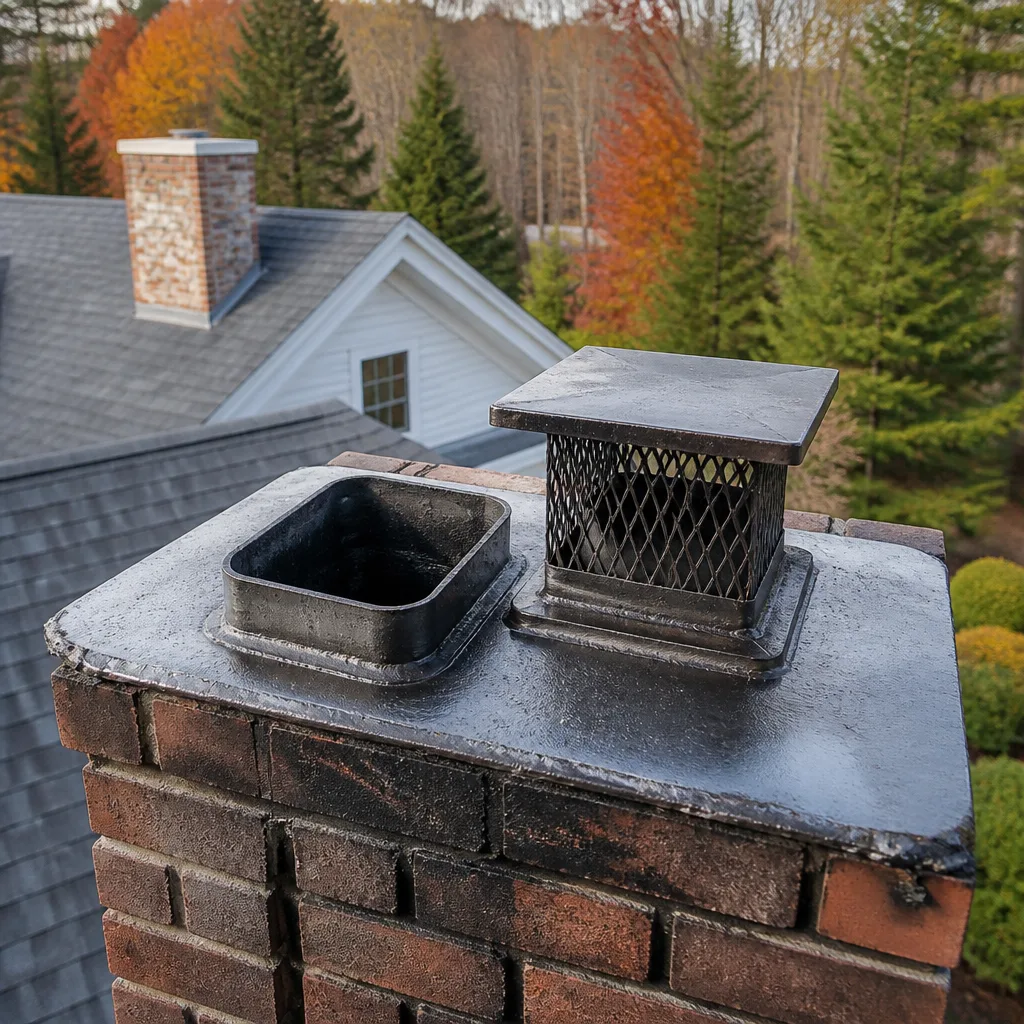
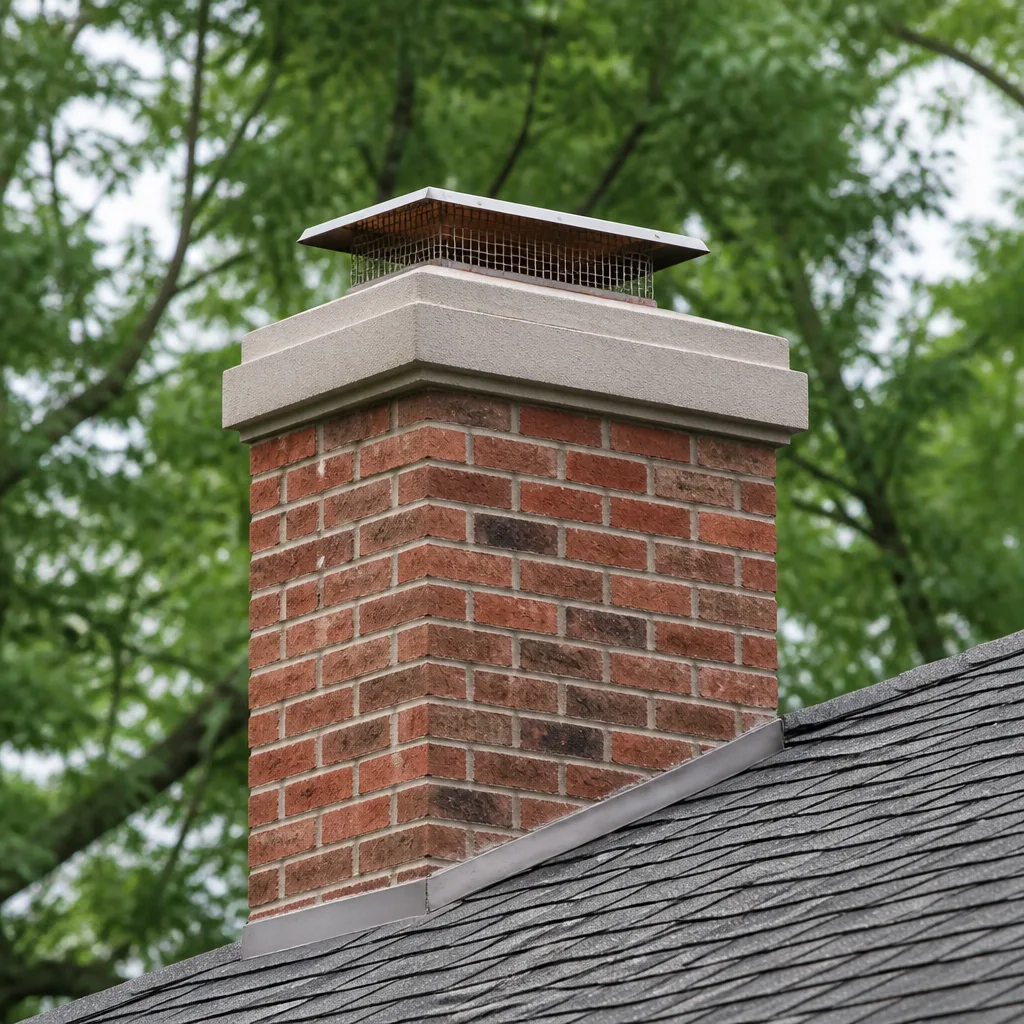
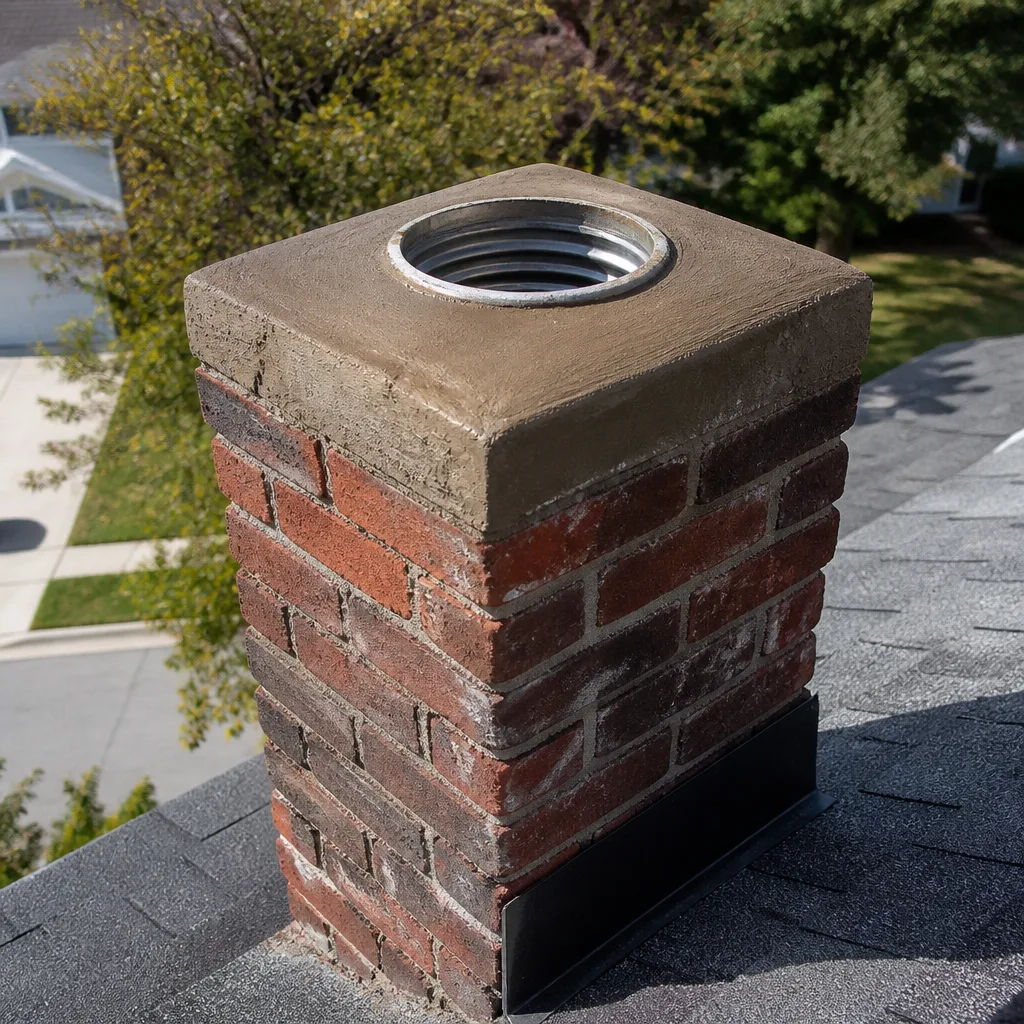
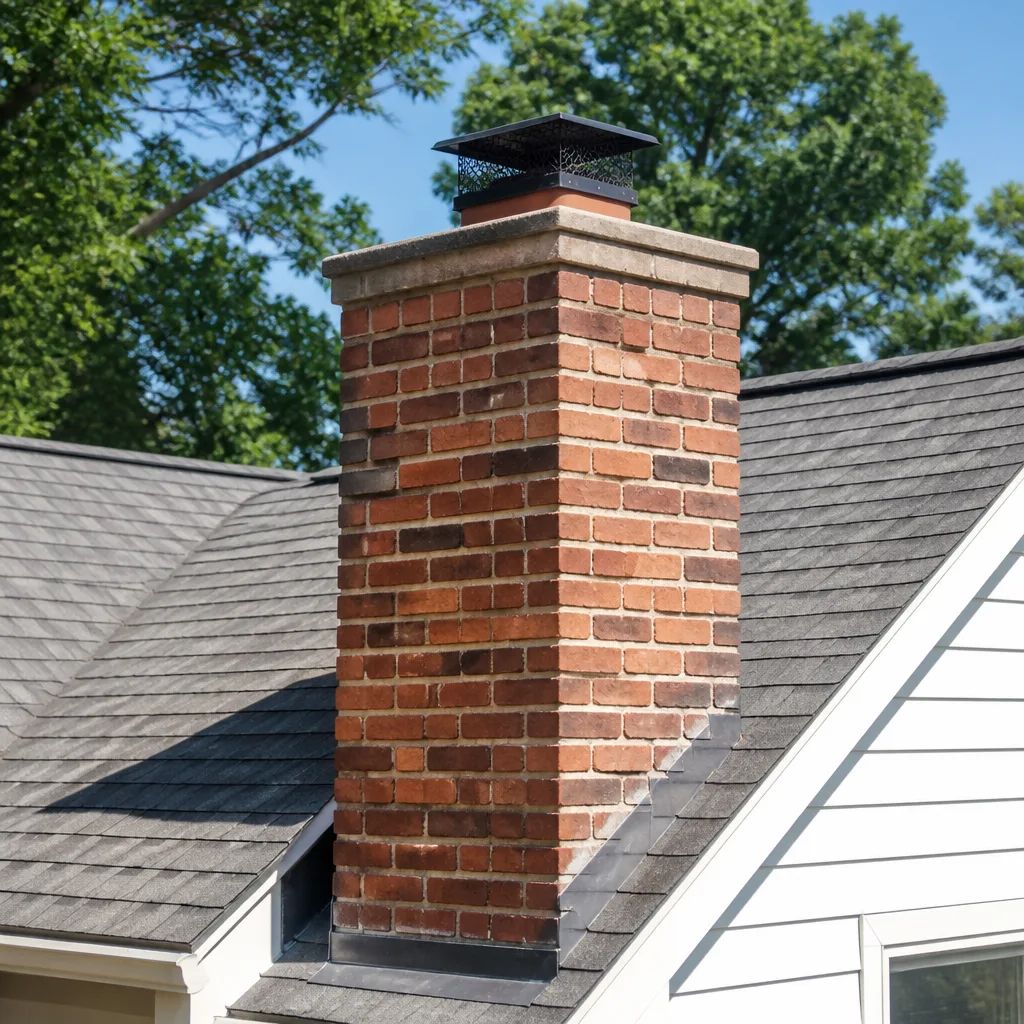
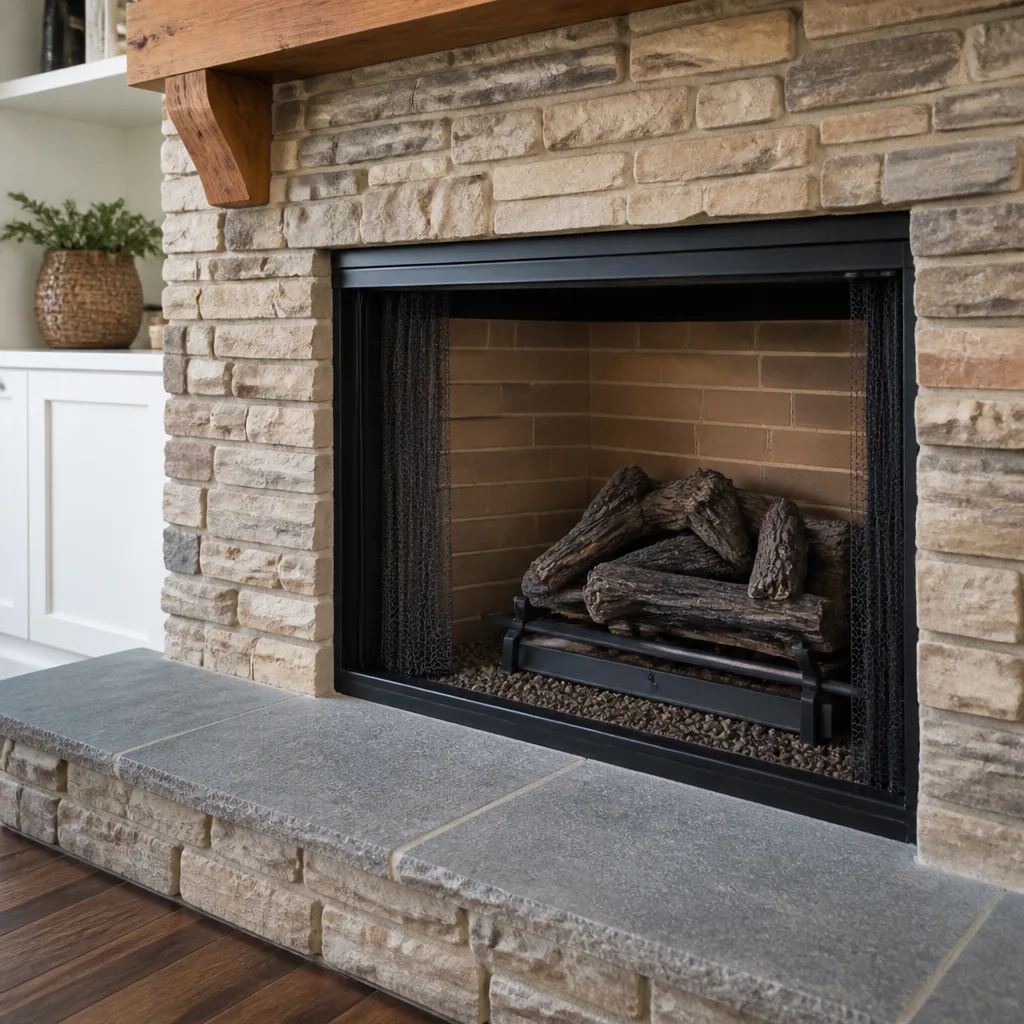
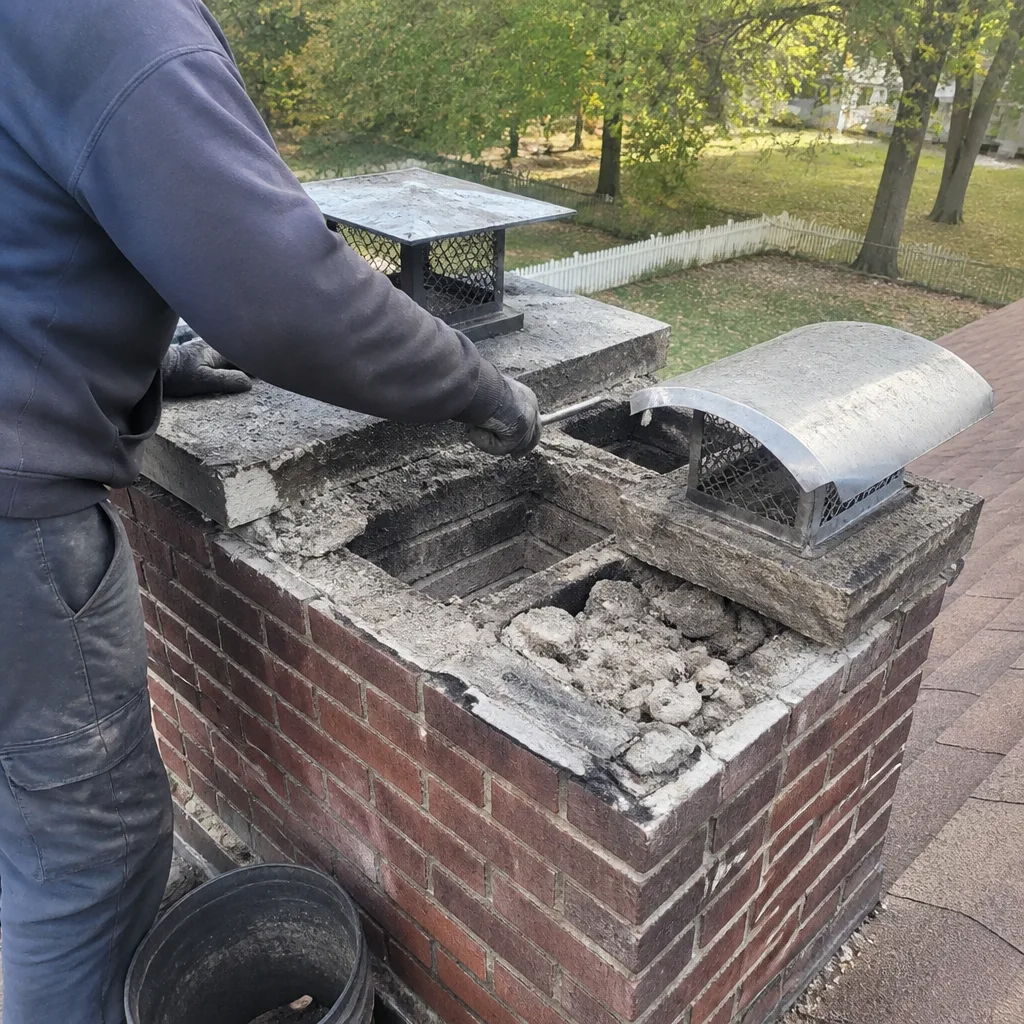 Before
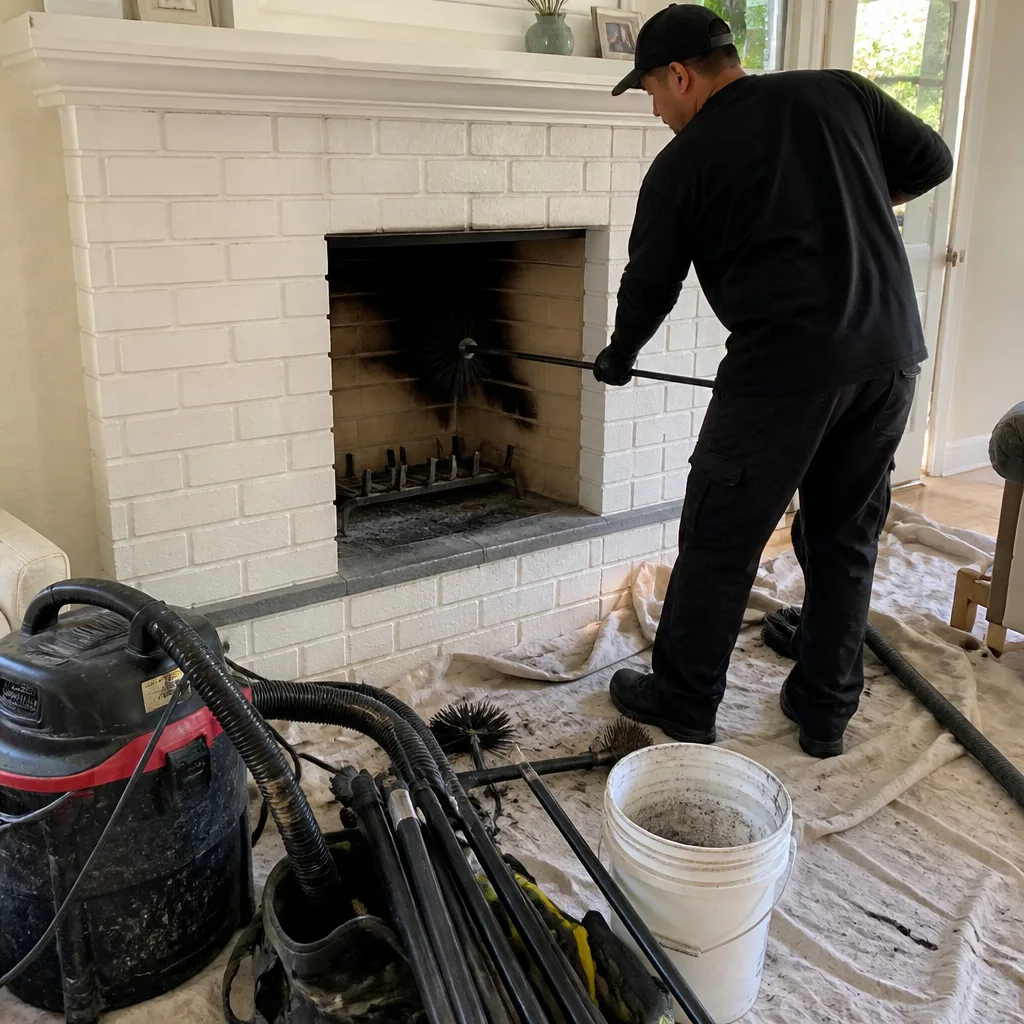 After
After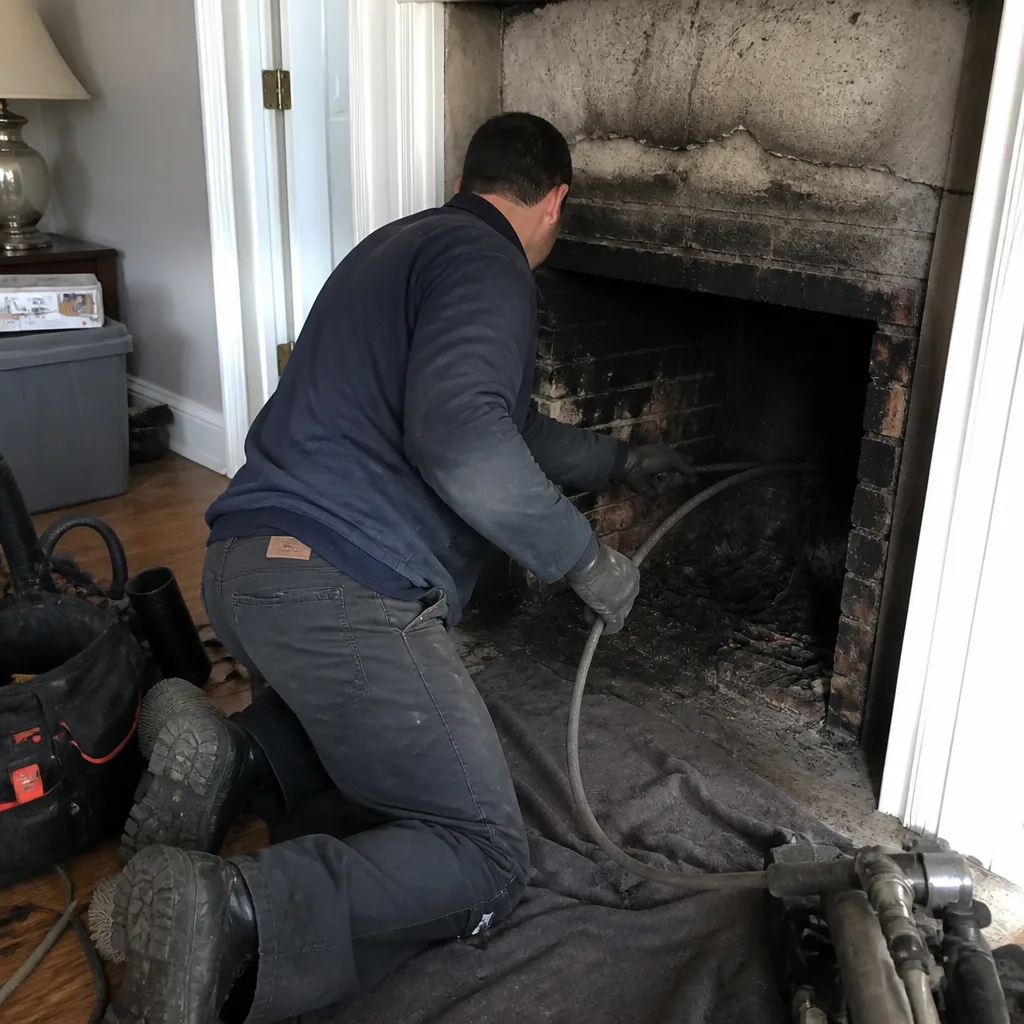 Before
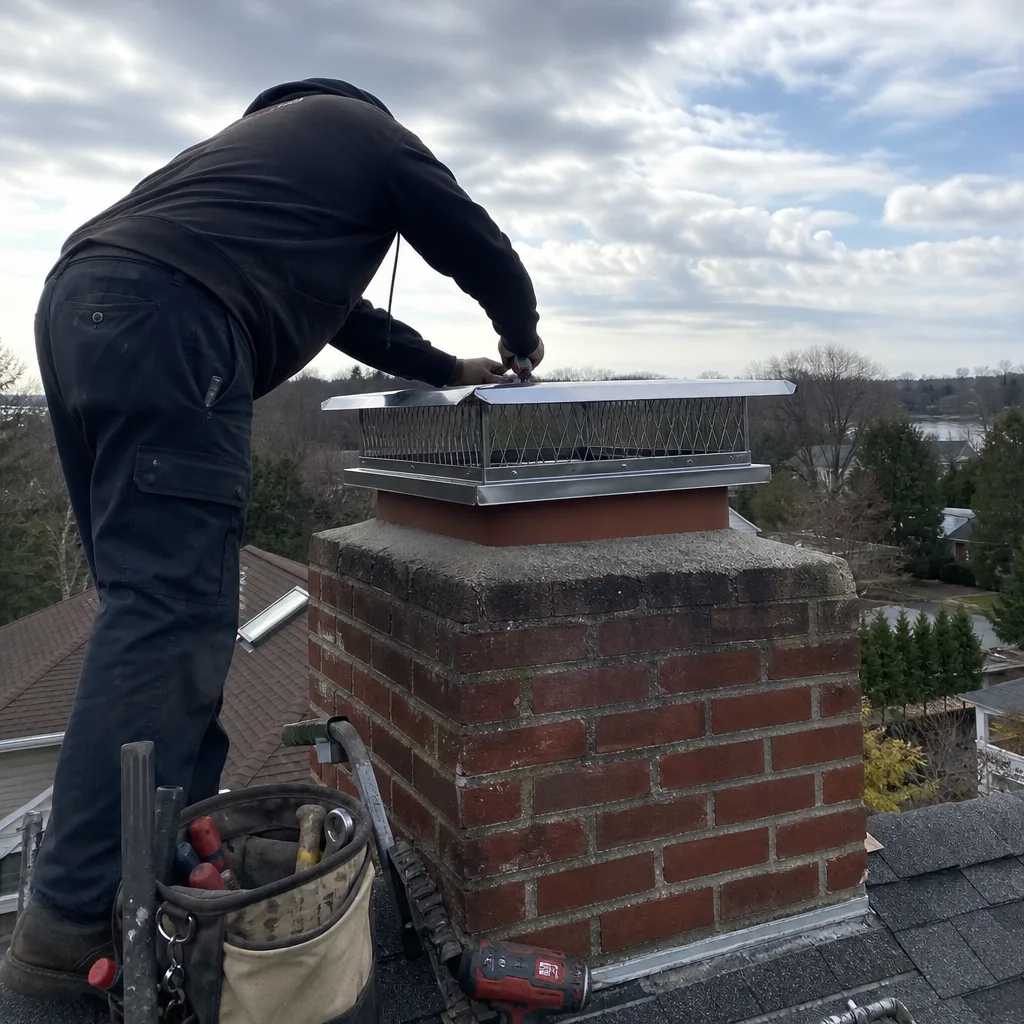 After
After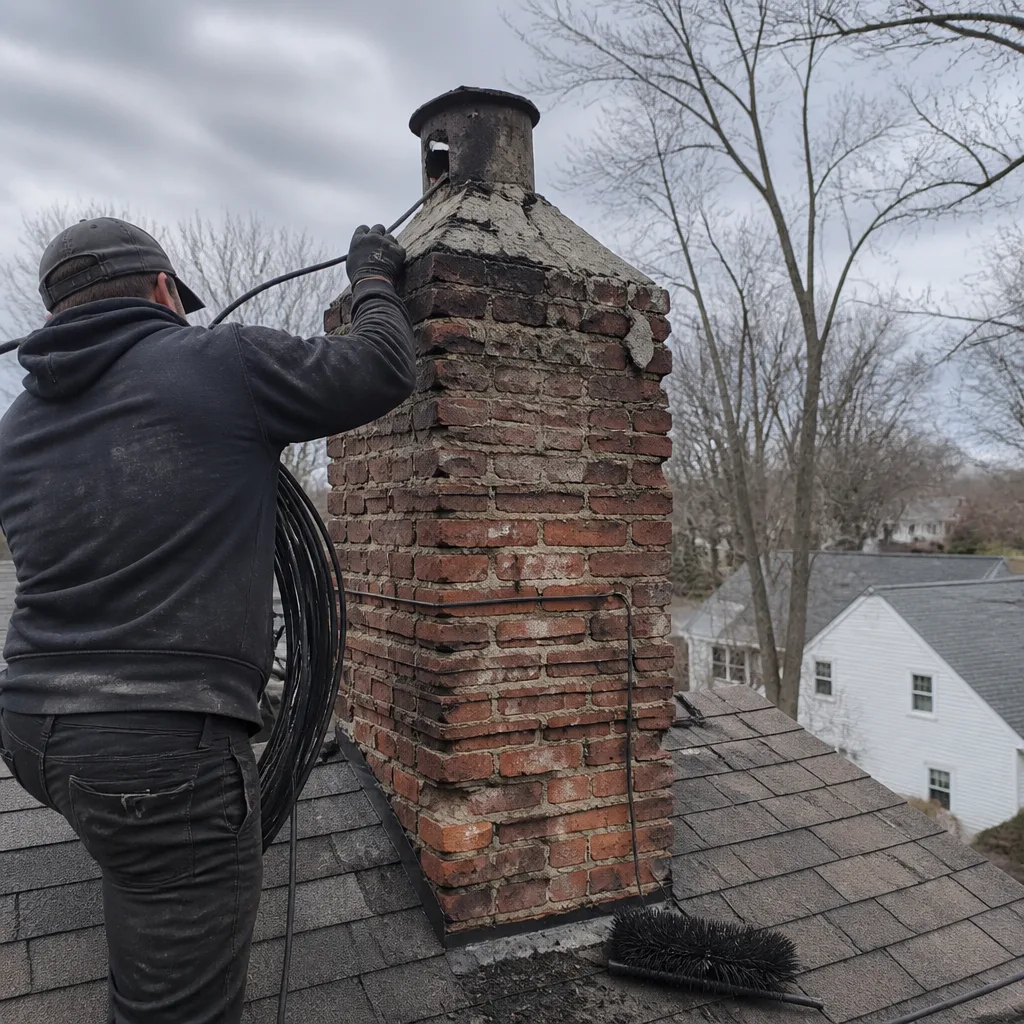 Before
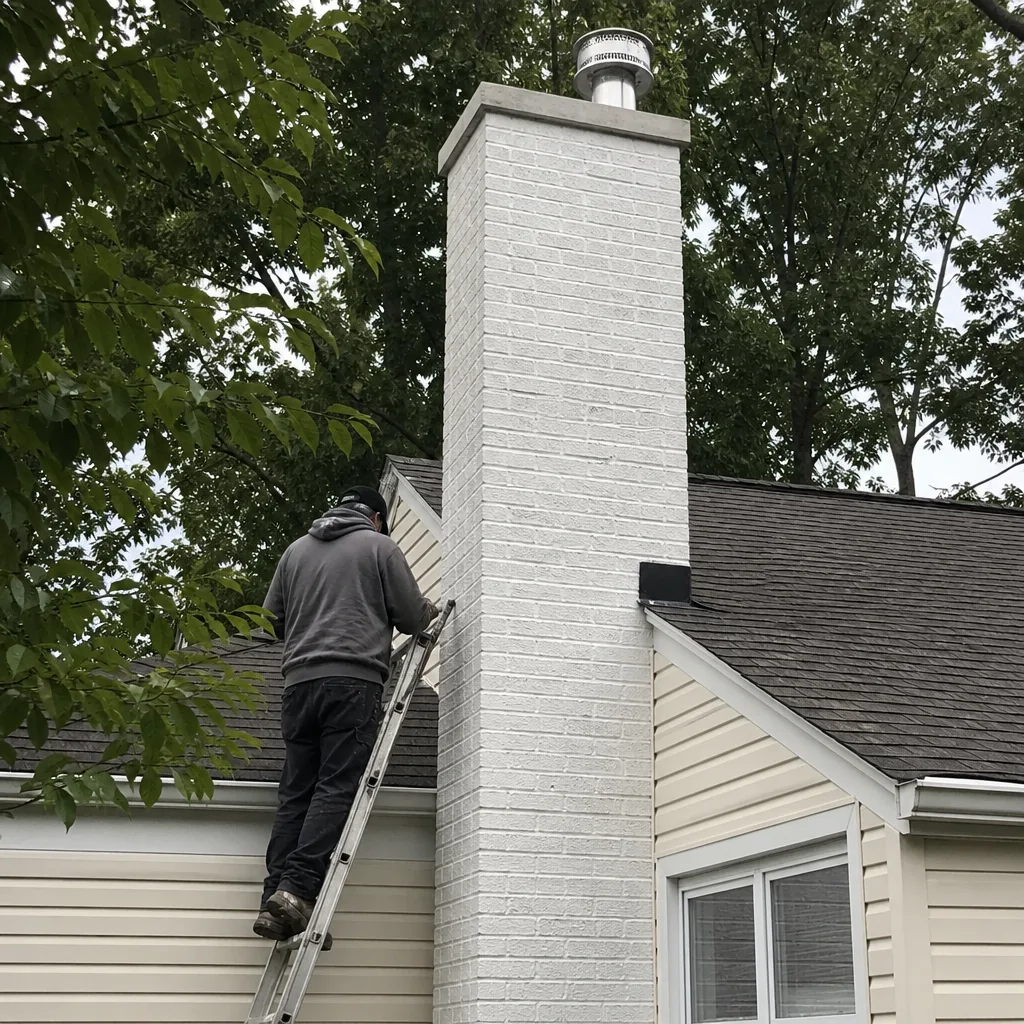 After
AfterDIY vs Professional Chimney Cleaning: The New Rochelle Homeowner’s Decision Guide
Every fall, hardware stores in New Rochelle sell dozens of chimney brushes to homeowners who watched a ten-minute video and decided to handle their own sweep. Most of those brushes end up in garage corners by Thanksgiving. Here’s what we’ve learned in 42 years: a chimney brush and a vacuum can remove loose soot, but they cannot tell you whether your flue tiles are cracked, your liner is correctly sized for your appliance, or your cap is keeping water out of the masonry. That gap is where house fires and carbon monoxide incidents live. This guide explains what a competent DIYer can safely accomplish, the five conditions that make DIY cleaning inappropriate regardless of skill, and how to build a practical hybrid approach that protects your home without wasting money. For related advice, see our How to Hire a Chimney Cleaning Contractor in New Rochelle: A Step-by-Step Guide.
Quick Answer
DIY chimney cleaning in New Rochelle can safely remove light, powdery soot from a straightforward wood-burning fireplace if you have the right tools, proper PPE, and a thorough understanding of your system’s condition. However, it cannot replace a Level-2 inspection with camera documentation, which is what actually prevents chimney fires and carbon monoxide intrusion. Most New Rochelle homeowners who attempt DIY cleaning save $150-$250 on the sweep itself but risk undetected flue damage, insurance claim denials, and the cost of remediating a soot spill that professional equipment prevents.
Table of Contents
- What DIY Chimney Cleaning Actually Accomplishes
- The Tools You Actually Need (And What They Cost)
- Five Conditions That Make DIY Cleaning Inappropriate
- The Insurance Hidden Risk: Why DIY Cleaning Can Void Your Fire Claim
- The True Cost Comparison: DIY vs Professional Over Five Years
- The Hybrid Approach: Using DIY to Extend Professional Service
- Common Mistakes to Avoid
- When to Call a Professional
- Frequently Asked Questions
- The Bottom Line
What DIY Chimney Cleaning Actually Accomplishes
A competent DIY chimney cleaning addresses one thing: the removal of loose, Stage 1 creosote from the accessible portions of a flue. Stage 1 creosote is powdery, light brown or black, and brushes off with moderate friction. If you burn properly seasoned hardwood, maintain hot fires with adequate airflow, and sweep annually, this is likely what you’ll find.
What DIY cleaning does not accomplish is far longer than what it does. It does not inspect the flue liner for cracks or gaps. It does not verify that your chimney cap is preventing water intrusion, which is the primary cause of masonry deterioration in New Rochelle’s freeze-thaw climate. It does not measure creosote thickness to determine whether you’ve crossed into Stage 2 (shiny, tar-like) or Stage 3 (hardened, glaze-like), both of which require professional-grade chemical treatment and mechanical removal. It does not evaluate draft performance, check for proper clearances to combustibles, or document the condition of your system for insurance purposes.
In New Rochelle specifically, we’ve found that many homes in the Wykagyl and Bonnie Crest neighborhoods, built between 1920 and 1960, have unlined masonry flues or clay tile liners that have shifted over decades of freeze-thaw cycles. A brush passing through that flue gives no indication whether the tiles are intact or whether gaps exist where combustion gases can escape into wall cavities. We’ve documented cases where homeowners cleaned their own flues for years, confident in their maintenance, only to discover during a real estate transaction that the liner was compromised and required a stainless steel replacement from a professional chimney repair to satisfy the buyer’s inspection.
The honest assessment: DIY cleaning is maintenance for a system you already know is sound. It is not diagnostic. It is not protective. It is not documentation.
The Tools You Actually Need (And What They Cost)
Most DIY chimney cleaning failures we encounter in New Rochelle stem from inadequate tools, not inadequate effort. A brush on a broomstick and a shop vacuum will create more problems than they solve. Here’s what competent DIY cleaning actually requires:
- Properly sized poly or wire brush. The brush must be 1/4 to 1/2 inch larger than your flue diameter. A 6-inch round flue needs a 6.5-inch brush. Too small, and it won’t contact the walls. Too large, and it can damage clay tiles or lodge in the flue. Cost: $25-$65.
- Fiberglass extension rods. You’ll need enough length to reach from the firebox to the top of the flue, plus extra for handling. For a two-story New Rochelle colonial, that’s typically 20-25 feet. Cost: $60-$120.
- HEPA-rated vacuum with fine particulate filtration. Standard shop vacuums recirculate soot particles smaller than 2.5 microns, which settle throughout your home and penetrate deep into lungs. A true HEPA vacuum with sealed construction costs $200-$400.
- Respiratory protection. N95 masks are insufficient for creosote dust. You need P100-rated respirators with organic vapor cartridges. Cost: $35-$50.
- Drop cloths, sealing tape, and containment sheeting. Soot migrates through closed doors. Proper containment protects your living space. Cost: $40-$60.
- Rooftop access equipment. Ladder, harness, and anchor point for top-down cleaning, which is the only method that prevents soot from falling into the firebox and hearth. Cost: $150-$400, or the risk of working from below and creating an indoor contamination event.
Total investment for competent DIY equipment: $510-$1,135 for the first year. Annual consumables (brushes wear, filters clog): $80-$150.
Compare this to our Chimney Cleaning & Sweep in New Rochelle, which includes the sweep, a Level-1 visual inspection, and documentation starting at a competitive rate with no equipment investment, no storage, and no disposal concerns. The break-even point for DIY equipment is roughly three to four years, assuming nothing goes wrong and your equipment doesn’t become obsolete.
One factor many homeowners miss: creosote disposal. In New Rochelle, creosote-soaked materials cannot go in regular household trash. Westchester County’s Household Material Recovery Facility accepts hazardous materials by appointment, or you must arrange private hazardous waste disposal. That adds time, cost, and complexity that doesn’t appear in the hardware store price tag.
Five Conditions That Make DIY Cleaning Inappropriate
Regardless of your skill level or equipment quality, certain conditions make DIY chimney cleaning the wrong choice. We’ve encountered all five repeatedly in New Rochelle homes, and each represents a scenario where amateur intervention risks property damage, personal injury, or undetected hazards.
1. Stage 2 or Stage 3 Creosote
Stage 2 creosote is shiny, tar-like, and adheres to flue walls. Stage 3 is hardened, glaze-like, and nearly impervious to brushing. Both require professional-grade chemical treatment, mechanical rotary removal, or in severe cases, flue replacement. Attempting to brush Stage 3 creosote with homeowner tools will polish the surface without removing the deposit, creating a false sense of security while the hazard remains. In our experience, New Rochelle homeowners who burn primarily softwoods or maintain low, smoldering fires, common in the colder months near Long Island Sound’s damp influence, develop Stage 2 creosote faster than inland counterparts.
2. Recent Chimney Fire
If you’ve ever heard a roaring or ticking sound from your chimney during a fire, seen flames shooting from the top, or found cracked exterior masonry afterward, you’ve likely experienced a chimney fire. Even a small chimney fire can damage clay tiles, warp metal liners, or compromise mortar joints. DIY cleaning after a chimney fire is dangerous because the structural damage isn’t visible from the firebox or roof. A Level-2 camera inspection is mandatory to assess whether the flue remains safe for use. We’ve replaced liners in New Rochelle homes where homeowners resumed firing after a “minor” chimney fire, unaware that the clay tiles had spalled and created direct paths for combustion gases into the structure.
3. Animal Blockage or Nesting
Squirrels, raccoons, and chimney swifts are common in New Rochelle’s mature tree canopy, particularly in the Ward Acres and Larchmont Woods areas. A blocked flue doesn’t just impair draft; it can force carbon monoxide back into living spaces. Removing animals or nests requires understanding of wildlife regulations (chimney swifts are protected under the Migratory Bird Treaty Act during nesting season), proper exclusion techniques, and often repair of the chimney cap or crown that allowed entry. DIY removal without addressing the access point guarantees recurrence.
4. Gas Appliance Flues
Gas furnaces, boilers, and water heaters vent through chimney flues, but the combustion byproducts are different from wood burning. Condensation from gas appliances is highly acidic and deteriorates flue liners from the inside out. DIY cleaning of a gas flue addresses neither the corrosion issue nor the sizing verification required by modern appliances. High-efficiency gas equipment often requires liners sized specifically for lower-temperature, higher-moisture exhaust. An improperly sized or deteriorated gas flue is a carbon monoxide risk that brushing cannot assess.
5. Pre-War Unlined Masonry
Many New Rochelle homes built before 1940, particularly in the Downtown and Hudson Park neighborhoods, have unlined brick chimneys or parged (smooth-finished) clay flues that were never designed for modern appliance output. These chimneys deteriorate from the inside out, and the damage is invisible until it’s extensive. DIY cleaning of an unlined flue can accelerate deterioration by removing the thin protective layer of soot that was actually shielding compromised mortar. Only a camera inspection can reveal whether an unlined chimney remains safe for continued use or requires professional fireplace services including relining.
The Insurance Hidden Risk: Why DIY Cleaning Can Void Your Fire Claim
This is the point most DIY guides omit, and it’s the one that costs homeowners the most when things go wrong.
Homeowner’s insurance policies typically cover chimney-related fires, but with conditions. Most policies require evidence of “reasonable maintenance” and may specifically require professional inspection documentation for solid-fuel heating systems. After a chimney fire, your insurer will investigate. If your flue was not inspected by a certified professional within the timeframe specified in your policy, or if you cannot produce documentation of the flue’s condition, your claim may be denied or reduced.
We’ve worked with New Rochelle homeowners who faced this exact scenario. One couple in the Paine Heights area, who had cleaned their own flue annually for twelve years, suffered a chimney fire that caused $47,000 in damage to their second floor and roof. Their insurer denied the claim because they could not produce professional inspection records. The policy language required “annual inspection and cleaning by a qualified chimney professional” for wood-burning systems. Their diligent DIY work, performed with genuine care, counted for nothing in the adjustment.
Professional chimney sweeps in New Rochelle provide dated, detailed inspection reports with photographs. These documents satisfy insurance requirements and create a paper trail that protects your coverage. The cost of annual professional service is minor compared to the risk of an uncovered fire loss.
Even if your policy doesn’t explicitly require professional service, the documentation gap creates vulnerability. A DIY cleaning leaves no record of flue condition, creosote thickness, or structural integrity. After a fire, there’s no baseline to prove the flue was sound or to identify whether a pre-existing defect contributed. Insurance adjusters know this, and they use it.
The True Cost Comparison: DIY vs Professional Over Five Years
The hardware store price tag is misleading. Here’s an honest accounting of what DIY chimney cleaning actually costs New Rochelle homeowners over a five-year period, compared to professional service from Hearthstone Chimney Co. home.
| Cost Category | DIY (5-Year Total) | Professional (5-Year Total) |
|---|---|---|
| Initial equipment | $510-$1,135 | $0 |
| Annual consumables | $400-$750 | $0 |
| Annual service/sweep | $0 | $750-$1,250 |
| Creosote disposal | $150-$300 | $0 (included) |
| Time investment (valued at $50/hr) | $1,250-$1,875 | $0 (your time) |
| Camera inspection (recommended every 2-3 years) | $0 (not available DIY) | $0 (included with Level-2) |
| Repair of DIY damage (soot spill, tile crack, etc.) | $0-$2,500 | $0 |
| 5-Year Total | $2,310-$6,560 | $750-$1,250 |
The time investment assumes four to six hours per cleaning for a competent DIYer, including setup, execution, cleanup, and disposal. Many homeowners find the actual time closer to eight hours for their first few attempts. The repair contingency reflects real costs we’ve seen: professional soot remediation after a vacuum filter failure ($800-$1,500), tile replacement after an oversized brush lodged and cracked clay ($400-$900), and the unquantifiable cost of discovering too late that DIY cleaning masked a deteriorating condition.
The professional column assumes annual sweeping with periodic Level-2 camera inspections as recommended by the Chimney Safety Institute of America. Our Chimney Cleaning & Sweep in New Rochelle includes documentation, and our no-hassle upfront pricing means the estimate number matches the invoice number.
For homeowners who value their time at anything above minimum wage, professional service costs less over five years while providing documentation, liability protection, and actual diagnostic value.
The Hybrid Approach: Using DIY to Extend Professional Service
There is a middle path that respects both competence and limitation. For New Rochelle homeowners who burn frequently and want to maximize the value of professional service, we recommend a hybrid approach - detailed further in our Seasonal Chimney Cleaning Care for New Rochelle: Year-Round Homeowner’s Guide - that uses DIY for mid-season maintenance while preserving the diagnostic and documentary role of annual professional visits.
Here’s how it works:
- Schedule professional annual service in early fall, before burning season. This establishes your baseline documentation, identifies any developing issues, and gives you a clean, inspected system to start the season. Our technicians complete most jobs in a single visit, and you’ll receive photos you can see with a plain-English verdict.
- Perform mid-season DIY checks only if your annual inspection showed a sound system with light creosote accumulation. These checks are visual, not invasive: examine the firebox for creosote buildup, check that the damper operates freely, and verify that the chimney cap remains secure after winter storms. No brushing, no roof work.
- Monitor burning habits. If you notice slower draft, smoke spillage into the room, or visible creosote accumulation exceeding 1/8 inch, stop burning and call for professional evaluation. These are not DIY conditions.
- Maintain your records. Keep your professional inspection reports with your homeowner’s insurance documentation. The mid-season checks are your personal notes, not substitutes for professional records.
- Schedule professional service again the following fall, regardless of DIY efforts. Annual professional inspection is non-negotiable for insurance, safety, and system longevity. The hybrid approach makes that annual visit more productive by keeping the system cleaner, but it never replaces it.
This approach works particularly well for New Rochelle homeowners with supplemental wood heat, those who burn four to five cords annually, or households with multiple fireplaces. It acknowledges that competent homeowners can perform basic maintenance while respecting the limits of amateur capability.
The key distinction: DIY in this model supports professional service, it doesn’t substitute for it. The annual visit remains your system’s physical exam. The mid-season work is hygiene between appointments.
Common Mistakes to Avoid
- Using a brush that’s too small for the flue. An undersized brush polishes the center of the flue while leaving creosote on the walls. We’ve found this in New Rochelle homes where homeowners proudly showed us their “clean” flues that failed camera inspection because the brush never contacted the full surface.
- Cleaning from the bottom up without containment. Soot falls. Gravity works. Without sealing the firebox and running a vacuum simultaneously, you’ll distribute fine particulate throughout your HVAC system. We’ve remediated soot contamination in Bonnie Crest homes where DIYers spent weeks cleaning black residue from curtains and upholstery.
- Ignoring the smoke chamber and smoke shelf. These areas above the firebox accumulate the most creosote and are the hardest to reach. DIY brushing of the flue alone misses the most dangerous deposits. Professional service includes these areas with specialized tools.
- Assuming no visible creosote means no problem. We’ve documented cracked flue tiles in New Rochelle chimneys with minimal creosote because the homeowner burned hot, clean fires. The absence of creosote doesn’t indicate structural integrity. Only inspection does.
- Using chemical creosote removers as a substitute for sweeping. These products modify creosote to make it easier to remove, but they don’t remove it. Used without subsequent brushing, they can create flammable residues or corrosive conditions in the flue.
- Neglecting the exterior inspection. A chimney’s exterior reveals critical information: crown cracks that admit water, deteriorated mortar joints, leaning or separation from the house. DIY cleaning focused only on the flue misses these failure indicators that are visible from the roof or ground.
- Storing creosote-soaked materials improperly. We’ve responded to garage fires in Wykagyl where homeowners stored creosote-laden brushes and drop cloths near water heaters or furnaces. Creosote is combustible. Soiled materials require sealed metal containers stored away from ignition sources.
When to Call a Professional
Call a professional immediately if you observe any of the following: smoke entering your living space during normal operation; a strong, acrid odor from the fireplace when not in use; visible cracks in interior firebrick or exterior masonry; white staining (efflorescence) on the chimney exterior indicating water intrusion; a damper that sticks, won’t open fully, or has visible corrosion; or any suspicion of animal activity in the flue. These conditions indicate system problems that brushing cannot address and that worsen with delay.
Hearthstone Chimney Co. offers free estimates in New Rochelle. Call (516) 927-2678 to speak with a live person, any hour of any day. We’ll schedule a visit, document what we find with camera photos you can see, and give you a plain-English verdict on what’s needed now, what can wait, and what your options are. Our 90-Day Done Right Promise means if it’s not right, we come back. In writing, no arguing.
Frequently Asked Questions
A professional chimney sweep in New Rochelle typically ranges from $150 to $250 for a standard Level-1 cleaning and visual inspection, with Level-2 camera inspections adding $100 to $200 depending on system complexity and accessibility. See our Chimney Cleaning Cost Breakdown: The New Rochelle Homeowner’s Reference for 2026 for full pricing context. Our $89 Seasonal Tune-Up offers documented service at a competitive entry point. Call (516) 927-2678 for an exact quote on your specific system - estimates are free.
You need a new liner if your existing liner is cracked, improperly sized for your appliance, or if your chimney is unlined and serves a modern heating appliance. We make this determination only after camera inspection with photos you can see, and we plainly state when a liner can wait versus when it poses immediate risk. Many New Rochelle homes with older clay tile liners can continue safe operation with monitoring, while others require stainless steel replacement from trusted brands like Olympia Chimney or Famco. We’ll show you the difference and let you decide.
The National Fire Protection Association recommends annual inspection, with cleaning frequency determined by creosote accumulation. Most New Rochelle homeowners who burn wood as primary or significant supplemental heat need annual sweeping. Those with gas appliances need annual inspection but may need less frequent cleaning. Homes in areas with mature tree cover, like sections of Wykagyl and Ward Acres, may experience more rapid cap and crown deterioration that warrants more frequent exterior inspection.
Skipped maintenance leads to creosote accumulation that increases chimney fire risk, water intrusion that deteriorates masonry and damages adjacent structure, and undetected flue damage that can force carbon monoxide into living spaces. In New Rochelle’s climate, with freeze-thaw cycles from November through March, water damage accelerates rapidly once it begins. The cost of deferred maintenance typically exceeds the cost of annual service by multiples. Call (516) 927-2678 to schedule before the burning season - estimates are free.
Gas fireplace flues require professional inspection because the failure mode is different from wood burning. Acidic condensation deteriorates liners from the inside, and modern high-efficiency appliances require precise flue sizing that DIY cleaning cannot verify. We do not recommend DIY cleaning of gas flues. Our technicians inspect these systems with cameras and measure for proper draft and sizing.
DIY chimney cleaning is not illegal for single-family homeowners working on their own property. However, New York State building codes and Westchester County fire codes require that chimney repairs, liner installations, and structural modifications meet specific standards and permits. Rental properties and multi-family buildings typically require licensed professional service. The more relevant concern is insurance: many policies require professional inspection documentation for coverage of chimney-related incidents, regardless of legality.
The Bottom Line
DIY chimney cleaning in New Rochelle is not inherently reckless if you have the right tools, proper protection, and a system you know is sound. But it covers only one part of what annual chimney service actually provides. The brush removes loose soot; it does not inspect, diagnose, document, or protect your insurance coverage. The five conditions we detailed, Stage 2-3 creosote through pre-war unlined masonry, make DIY inappropriate regardless of skill. Over five years, professional service typically costs less than competent DIY when time, equipment, and risk are honestly accounted. The practical path for engaged homeowners is a hybrid: professional annual service for documentation and diagnosis, with limited mid-season checks if your system permits. Done right, and we stand behind it. That’s the Keystone Standard. Explore more guides & resources on safe chimney care.
Written by Russell Haines, Owner at Hearthstone Chimney Co., serving New Rochelle since 2014.