
Last updated September 10, 2026
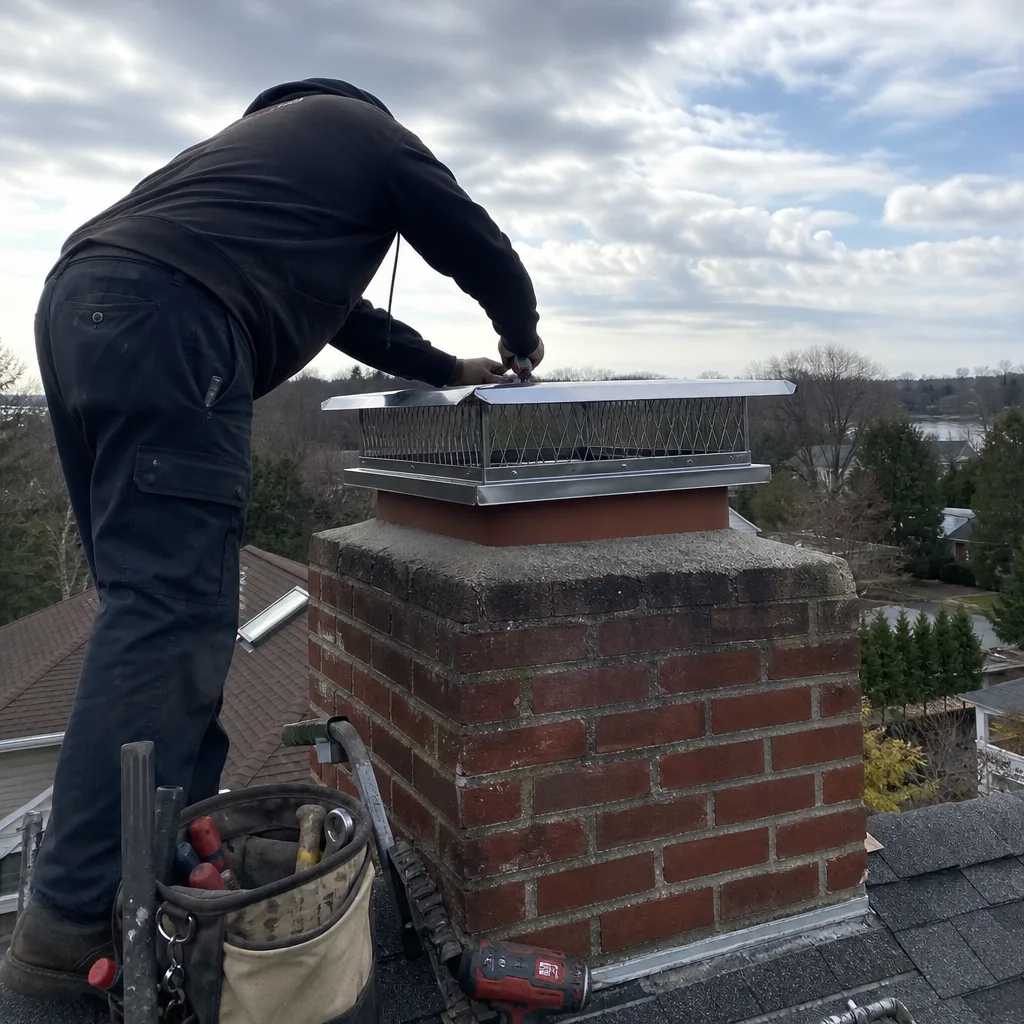
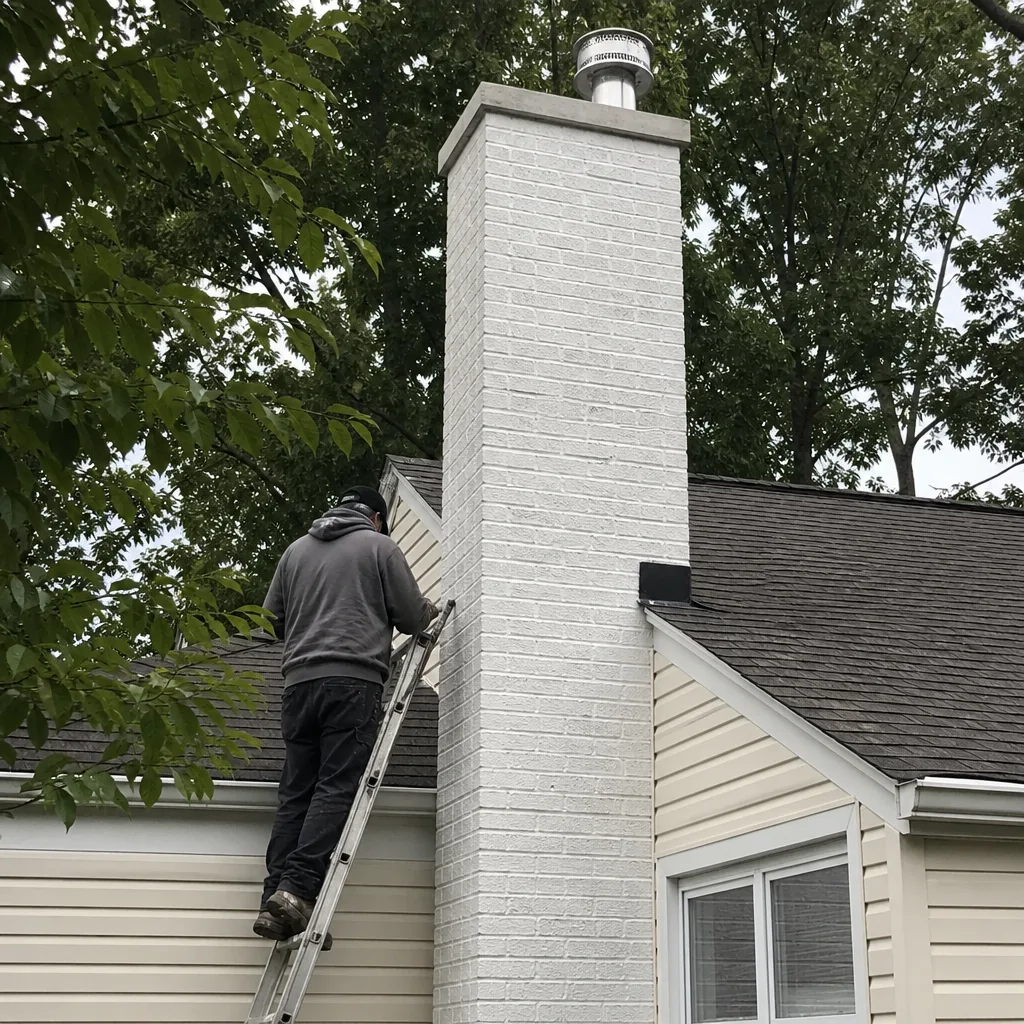
Level 1 sweep and inspection to the NFPA 211 annual standard - flue, crown, cap, and flashing checked and photographed
Chimney sweep logs do not sweep chimneys. They loosen some creosote - which then falls where a brush and vacuum still have to collect it.
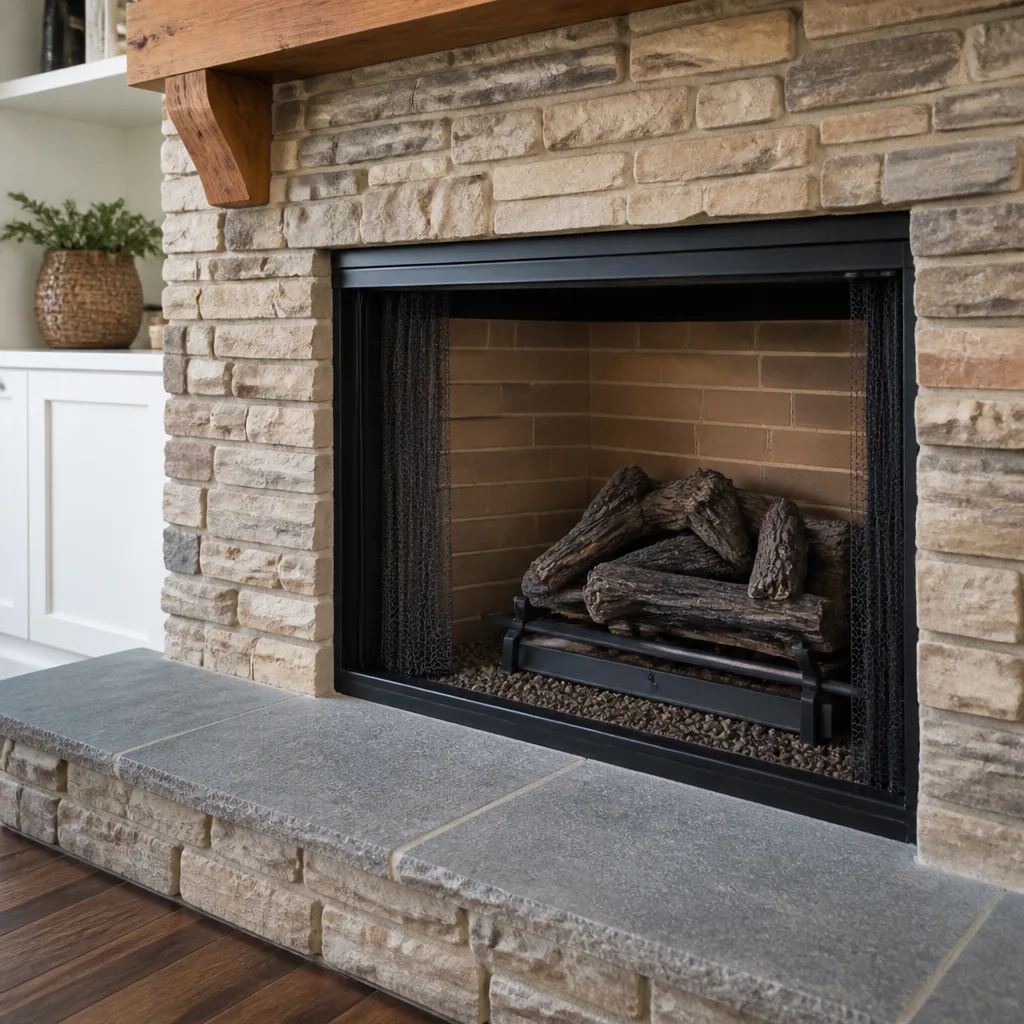
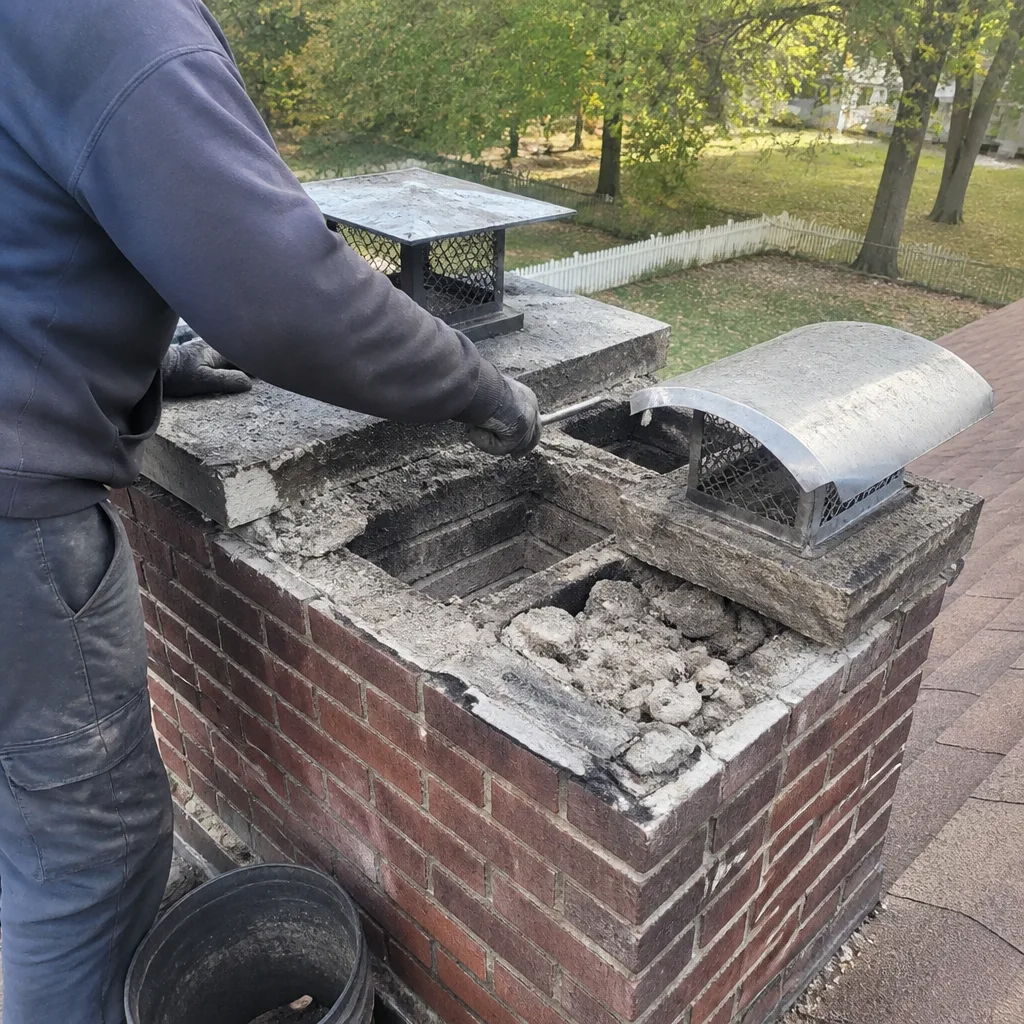 Before
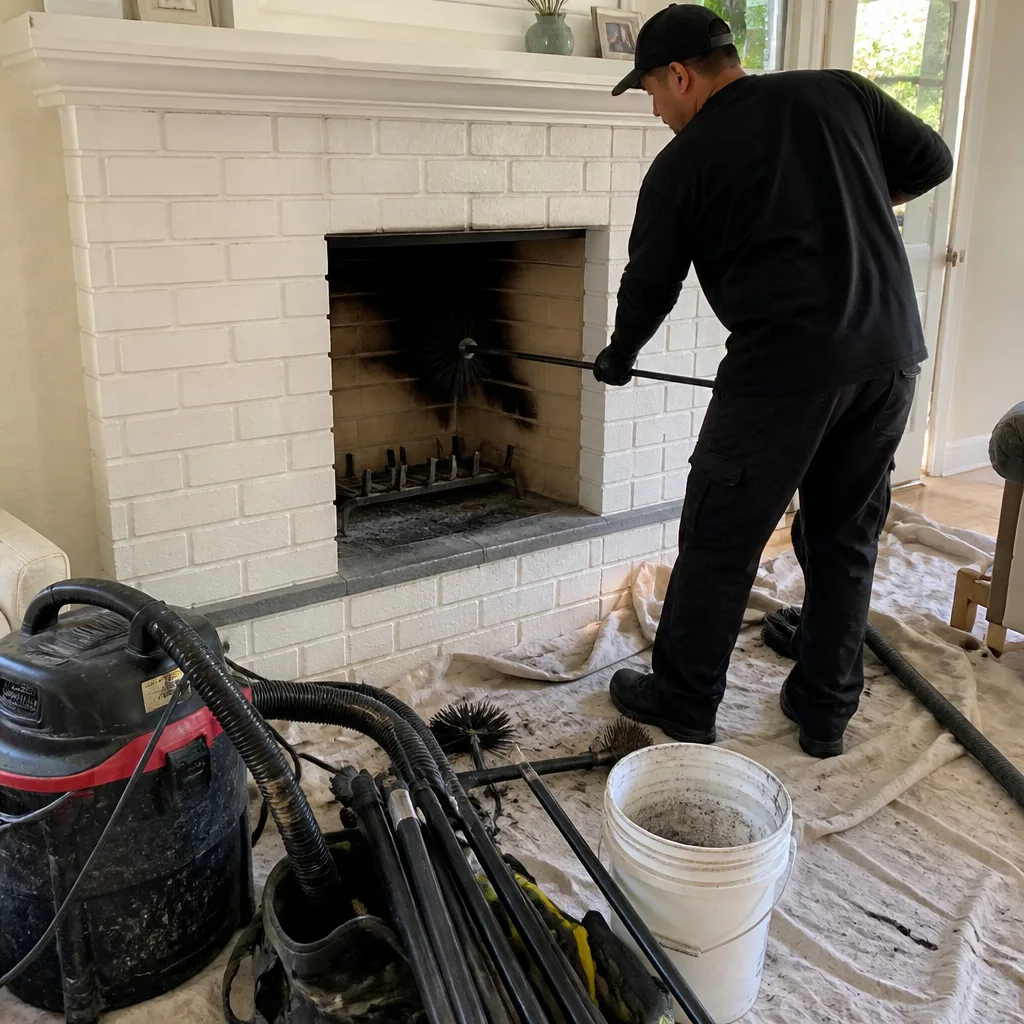 After
After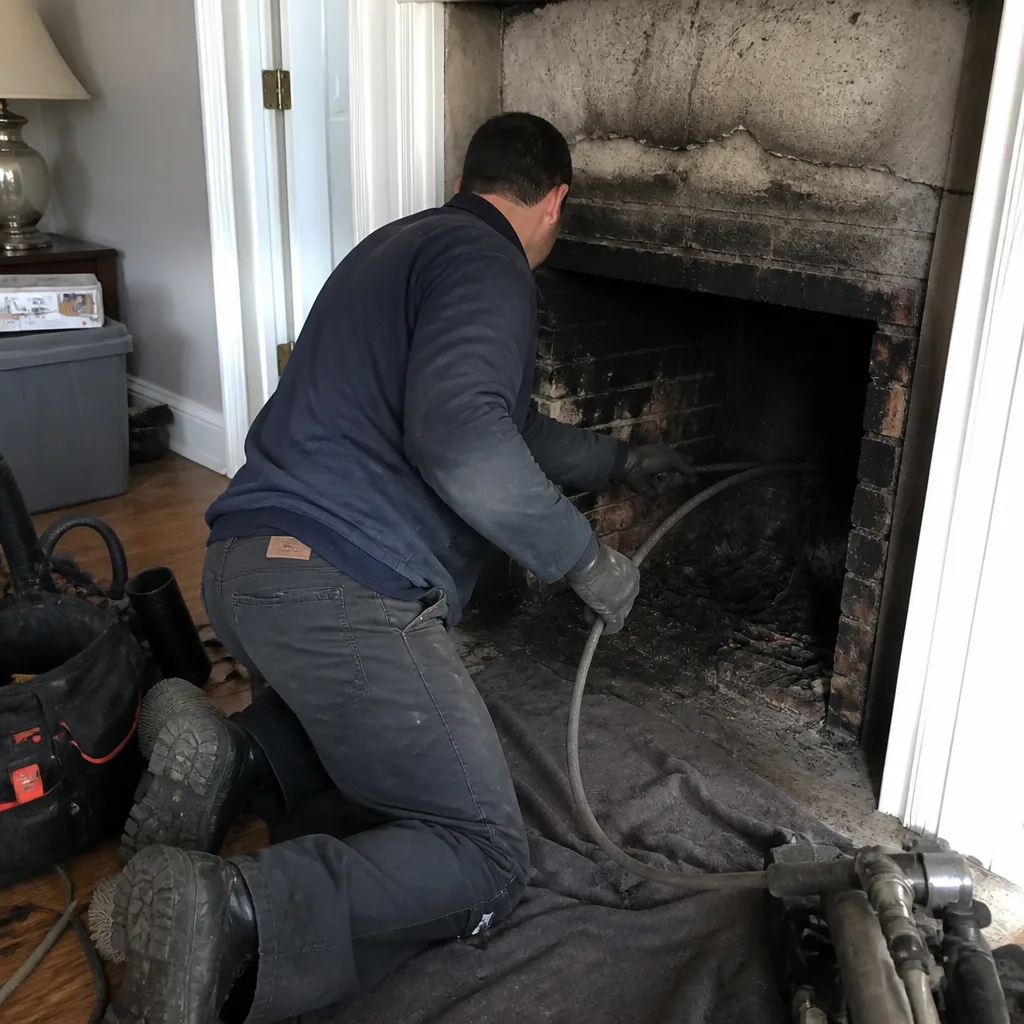 Before
 After
After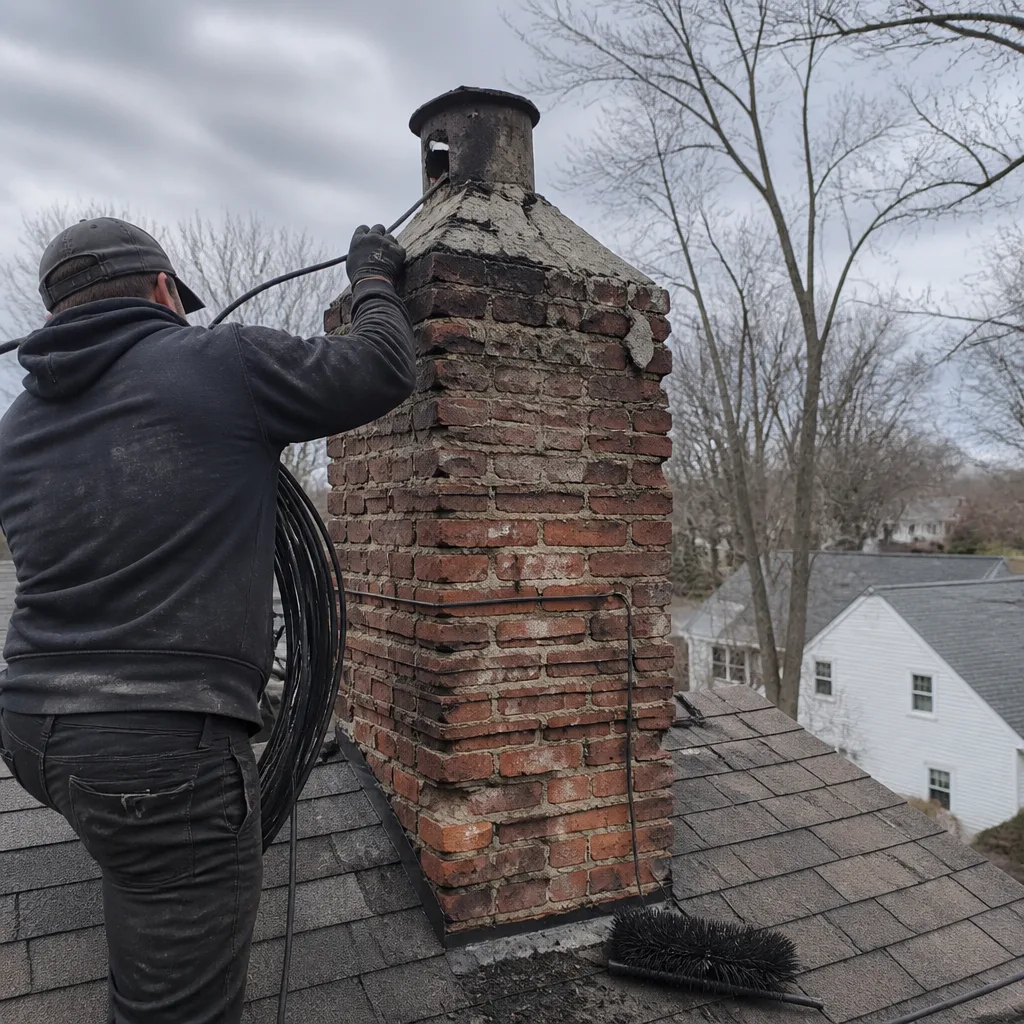 Before
 After
AfterSeasonal Chimney Cleaning Care for New Rochelle: Year-Round Homeowner’s Guide
September is when New Rochelle sweeps book out fastest, but it’s also the worst time to discover your chimney wasn’t cleaned in spring. By then, you’re not scheduling maintenance - you’re scheduling an emergency appointment to beat the first cold snap, and you’ll pay a premium for the privilege. In our 42 years serving Westchester County, we’ve learned that New Rochelle homeowners who treat chimney care as a true year-round discipline avoid the October rush, catch freeze-thaw damage before it spreads, and never start a winter with a flue they can’t trust. This guide maps the real maintenance windows for our local climate, not a national calendar written for Minnesota or Maine. For more guides & resources tailored to our area, explore our blog.
Quick Answer
New Rochelle homeowners should schedule chimney sweeping in late April through June, inspect for freeze-thaw damage in March, service gas fireplaces during July and August, and book Level-2 inspections in early September before the fall rush. See our Chimney Cleaning & Sweep Maintenance Checklist for New Rochelle Homeowners for a complete seasonal breakdown. Missing the spring cleaning window leaves acidic creosote deposits to corrode flue liners through our humid summers, while ignoring shoulder-season burns in October and March accelerates buildup when most homeowners assume their chimney is “fine.”
Table of Contents
- Why Spring Cleaning Matters More Than Fall in New Rochelle
- Summer Maintenance: The Forgotten Season
- Fall Preparation: Beating the October Rush
- Winter Protection: Surviving Westchester’s Freeze-Thaw Cycle
- The Shoulder Season Problem: October and March Burns
- Your Four-Season Service Calendar for New Rochelle
- Common Mistakes to Avoid
- When to Call a Professional
- Frequently Asked Questions
Why Spring Cleaning Matters More Than Fall in New Rochelle
Most homeowners in New Rochelle think of chimney sweeping as a fall ritual, something to check off before the holidays. The smarter move is the opposite: clean in late spring, inspect in early fall.
Here’s why. Every wood burn leaves creosote - a tar-like compound that hardens in layers against your flue walls. That creosote is acidic. When heated flue gases stop flowing and temperatures drop, the acids remain active. In New Rochelle’s climate, our summers bring humidity that averages 65-70% from June through August. Warm, moist air trapped inside an uncleaned flue accelerates the chemical breakdown of masonry and metal liners alike. We’ve removed flue tiles in Wykagyl that crumbled after three summers of this cycle, and stainless liners in Larchmont Woods with pinhole corrosion that started the same way.
The post-season window - roughly late April through June - offers three advantages specific to our market:
- Sweeps have availability. After the March shoulder season ends, demand drops sharply. You’ll get your preferred date, often within a week.
- The flue has cooled completely. No residual heat means no steam generation during cleaning, so deposits come out cleaner and camera inspections show sharper detail.
- Problem discovery happens on your timeline. If we find cracked flue tiles, deteriorated mortar, or a failing crown, you have all summer to schedule repairs before the next burn season. No emergency. No premium pricing.
We document every chimney cleaning and sweep in New Rochelle with photos and a plain-English verdict. When we find something, you see it. When we don’t, you have that confidence in writing.
The cost of missing this window? Creosote that sat through a humid New Rochelle summer bakes harder in fall. What might have brushed clean in May requires powered equipment in October. Worse, acidic compounds that leached into mortar joints all summer expand with the first freeze, opening hairline cracks into pathways for water intrusion.
Summer Maintenance: The Forgotten Season
Gas fireplace owners, this section is for you. Wood-burning households tend to shut down and forget their chimneys until September. Gas households often forget them entirely.
A gas fireplace in New Rochelle still needs annual attention, and summer is the right time. The flue for a gas insert or direct-vent unit doesn’t carry creosote, but it does carry moisture from combustion. That moisture, combined with our summer humidity, corrodes dampers and degrades seals. More critically, gas burner ports clog with dust and spider webs - common in homes near the Long Island Sound where marine air carries more particulate than inland Westchester.
Here’s what summer service should include:
- Damper function test. The damper must seal fully when closed and open fully without binding. A stuck damper in January is an emergency call.
- Pilot assembly inspection. Thermocouples weaken, pilot orifices clog, and ignition electrodes shift. All of these fail when demand is highest.
- Burner port clearing. We use compressed air and soft brushes, never wire tools that enlarge ports and alter flame pattern.
- Carbon monoxide baseline check. Even with direct-vent units, we verify draft performance and spillage resistance at the appliance.
Our $89 Seasonal Tune-Up covers this work for most gas units. We complete it in a single visit, with no-hassle upfront pricing agreed before we start.
For wood-burning households, summer is inspection season, not cleaning season. If your spring sweep revealed no issues, July and August are when you walk the exterior after every storm. Look for crown cracks, missing cap fasteners, and mortar displacement. New Rochelle’s summer thunderstorms drive water into any opening, and the damage becomes visible before fall foliage hides it.
Fall Preparation: Beating the October Rush
By mid-September, our phone rings constantly. Homeowners who meant to call in August suddenly notice evening temperatures dropping toward the 50s. The first mention of a frost advisory sends hundreds to their phones simultaneously.
We answer with a live person, 24 hours a day, 7 days a week. But we can’t manufacture appointment slots. Our technicians complete most jobs in a single visit, and we don’t rush inspections to squeeze in more calls. That means October dates fill by late September, and November dates fill by mid-October.
The homeowners who avoid this crunch fall into two groups: those who cleaned in spring and only need a Level-2 inspection in early September, and those who booked their fall sweep before Labor Day.
If you’re in the second group, here’s what early September service should include:
- Visual exterior inspection. Check the crown, cap, flashing, and visible brickwork for damage from summer storms or animal intrusion.
- Interior flue evaluation. Even if swept in spring, verify no blockages formed - bird nests, leaf accumulation, or collapsed internal components.
- Appliance readiness check. For wood stoves, verify gaskets, door seals, and air control function. For fireplaces, check grate condition and ash dump operation.
- First-burn protocol. We provide specific guidance for the season’s first fire: small, hot, and brief, to cure any residual moisture without overwhelming a cold flue.
Early September in New Rochelle typically brings dry, stable weather. It’s the last reliable window before the October rush, and it’s when we can spend the time a proper inspection deserves.
Winter Protection: Surviving Westchester’s Freeze-Thaw Cycle
New Rochelle’s winter isn’t the coldest in New York, but it’s uniquely hard on chimneys. Our position on Long Island Sound moderates extreme lows, but it also means more freeze-thaw cycles. Temperatures cross 32°F repeatedly from November through March - sometimes daily. Each cycle forces water trapped in masonry to expand and contract, and water always finds the path of least resistance.
The damage pattern is predictable. A small crown crack from summer storm impact becomes a water channel. Water enters, freezes overnight, widens the crack. The next thaw brings more water, deeper penetration. By February, what was a $300 crown repair is a $2,400 rebuild with interior water damage.
We’ve documented this progression in homes from Bonnie Crest to Wykagyl Estates. The homeowners who catch it early share one habit: they inspect their chimney exterior after every significant temperature swing, not just after storms.
Here’s what to look for during Westchester’s freeze-thaw season:
- Efflorescence. White powder on brick faces means water is moving through the masonry and depositing salts. It’s not cosmetic - it’s a warning that the waterproofing envelope is failing.
- Crown hairlines that widen. Mark suspected cracks with pencil in November. Check monthly. If the gap grows, water is actively working the joint.
- Flashing separation. The metal where chimney meets roof expands and contracts at a different rate than either surface. Winter is when gaps open.
- Interior water staining. Check the ceiling around the chimney breast after every thaw. Delayed staining - appearing 24-48 hours after warming - indicates water pooling in the attic space above.
When we perform chimney repair in New Rochelle, we use professional-grade materials suited to this exact climate. HeatShield for crown restoration. DuraFlex liners where original clay has failed. Olympia Chimney components for cap and flashing replacement. These aren’t builder-grade substitutes - they’re specified for coastal Northeast freeze-thaw exposure.
One critical safety note: never attempt to inspect or repair a chimney crown or flashing in winter conditions. Ice, wind exposure at height, and brittle cold-weather materials create genuine fall and laceration hazards. This is trained technician work, with proper fall protection and temperature-appropriate materials.
The Shoulder Season Problem: October and March Burns
The national chimney guides don’t account for New Rochelle’s shoulder seasons - those weeks in October and March when daytime temperatures reach the 50s but evenings drop to the 30s. Homeowners light “just a small fire” to take the chill off, then do it again the next night, and the next.
These burns are more problematic than they appear. First, they’re typically low-temperature fires - dampers throttled, air restricted, flames smoldering rather than blazing. This is the exact condition that produces the most tenacious, acidic creosote: Stage 3 glazed deposits that standard brushing won’t remove.
Second, shoulder-season burns happen when homeowners assume their chimney is “clean enough.” The October fire comes before the fall inspection. The March fire comes after the spring cleaning was deferred because “we barely used it this winter.”
In our experience, the chimneys with the worst spring discoveries are those that burned heavily in March. Homeowners in Premium Point and Rochelle Heights who ran their stoves through a cold snap in late March, then shut down for summer without cleaning, created the exact conditions for accelerated liner corrosion.
The practical response is simple: treat any burn after March 1 or before November 15 as requiring the same post-season cleaning as January fires. The volume of wood burned matters less than the frequency of low-temperature, incomplete combustion. A week of shoulder-season smoldering deposits more problematic creosote than a month of hot January burns.
Your Four-Season Service Calendar for New Rochelle
Here’s a practical calendar built around our actual climate, our actual customer patterns, and the maintenance windows that protect your system.
| Season | Timing | Action | Why This Window |
|---|---|---|---|
| Spring | Late April - June | Schedule full sweeping and Level-2 inspection | Flue cooled; creosote acidic but not baked hard; repairs can be scheduled before fall; sweeps have availability |
| Summer | July - August | Gas fireplace service; exterior walk-around after storms | Gas technicians available; storm damage visible before leaf cover; no heating demand pressure |
| Early Fall | First two weeks of September | Book inspection if swept in spring; schedule sweeping if deferred | Last reliable window before October rush; weather stable; problems found can be repaired before first cold snap |
| Late Fall | October - November | First burns; monitor for draft issues or odors | If maintenance was done properly, this is simply enjoyment season |
| Winter | December - February | Exterior checks after freeze-thaw cycles; call immediately for draft failure or smoke spillage | Catch crown and flashing damage before it compounds; carbon monoxide risk demands immediate response |
| Late Winter | March | Final burns only with clean flue; schedule spring service | Shoulder-season deposits are real; booking April now guarantees the optimal spring window |
The homeowners who follow this calendar never call us in a panic. They never pay emergency rates. They never discover a failed liner on the coldest night of the year. The discipline is simple; the results are compounding.
Common Mistakes to Avoid
- Waiting for “fall” to book. By October 15, quality sweeps in New Rochelle are booked three weeks out. The homeowner who waits for a cold morning to call is choosing between a premium emergency rate and a cold house.
- Assuming gas fireplaces need no service. We’ve replaced corroded dampers in Soundview homes where the gas insert ran for fifteen years without inspection. The repair cost exceeded what fifteen annual tune-ups would have totaled.
- Ignoring March burns as “not real use.” Shoulder-season smoldering produces the most chemically aggressive creosote. Deferring spring cleaning after a March burn is the single most common precursor to summer corrosion damage.
- Using the chimney as a vent for the furnace. In older New Rochelle homes, especially in the Wykagyl and North End areas, original construction sometimes shared flue passages. Modern codes prohibit this, and the practice creates dangerous draft interaction between fuel sources.
- DIY crown sealing with hardware store products. The elastomeric coatings sold for consumer application aren’t rated for flue gas temperatures. They trap moisture, accelerate spalling, and void manufacturer warranties on professional-grade crown materials.
- Skipping inspection after a chimney fire. Even a “small” chimney fire - the puffing sound, the sudden draft reversal, the acrid smell - cracks flue tiles and compromises liners. The chimney may appear to function normally afterward while venting combustion gases through hidden cracks.
When to Call a Professional
Some situations don’t belong on a calendar. Call a certified chimney professional immediately if you notice smoke spilling into the room, a persistent chemical or tar odor when the fireplace is not in use, visible cracks in the firebox or flue tile, water dripping into the firebox during rain, or a damper that won’t fully open or close.
Carbon monoxide is odorless and colorless. A properly functioning chimney is your home’s primary defense against it. Any change in draft performance, any unexplained headache or nausea when the fireplace operates, any alarm activation from a CO detector near the hearth - these are not wait-and-see situations.
Hearthstone Chimney Co. offers free estimates in New Rochelle. Our Level-2 camera inspections end with photos you can see and a plain-English verdict. Nothing is recommended without evidence you can examine yourself. Call (516) 927-2678 - a live person answers, every hour of every day.
Frequently Asked Questions
A standard chimney sweeping in New Rochelle typically ranges from $200 to $350 for a single-flue system, with Level-2 camera inspections adding $150 to $250 depending on accessibility and appliance configuration. For detailed pricing factors, see our Chimney Cleaning Cost Breakdown: The New Rochelle Homeowner’s Reference for 2026. Our $89 Seasonal Tune-Up for gas fireplaces covers inspection, pilot check, and burner service at a reduced rate during summer months. Call (516) 927-2678 for an exact quote - estimates are free, and the number we quote is the number on the invoice.
You need a new liner only if your existing liner is cracked, corroded, improperly sized, or missing entirely - and we document the condition with camera photos before recommending replacement. In New Rochelle’s humid coastal climate, we’ve seen stainless liners from the 1990s fail from the inside out while appearing sound externally. We use DuraFlex and HeatShield products specified to your appliance and fuel type, never a one-size-fits-all approach. If an inspection shows your liner is sound, we’ll tell you plainly and put it in writing.
The National Fire Protection Association recommends annual inspection for all chimney systems, with sweeping frequency determined by use and fuel type. Before scheduling, review Chimney Cleaning Permits, Codes & Inspections in NY: What You Need to Know to ensure compliance. For wood-burning households in New Rochelle who burn regularly through winter, we recommend annual sweeping in the spring window - late April through June - to remove acidic deposits before humid summer conditions accelerate corrosion. Occasional burners may extend to every two years with annual inspection, but the inspection itself should never be skipped.
Skipped maintenance leads to three predictable outcomes: creosote accumulation that fuels chimney fires, acidic corrosion that destroys liners and masonry from within, and undetected blockages or draft failures that vent carbon monoxide into living spaces. In New Rochelle specifically, our humid summers make the corrosion pathway particularly aggressive - a flue that was “fine” in March can be compromised by September. The cost of deferred maintenance always exceeds the cost of scheduled care, usually by a factor of five to ten.
Homeowners can perform basic firebox ash removal and visual exterior checks, but flue sweeping and internal inspection require specialized equipment and training to be effective and safe. More critically, a homeowner cannot reliably assess flue tile condition, liner integrity, or proper draft performance without camera equipment and combustion analysis tools. We provide photos and a plain-English verdict so you understand your system’s condition without guesswork. For fireplace services in New Rochelle, professional evaluation is the only way to verify safety.
Late spring through early summer is optimal for most repairs - temperatures are moderate, materials cure properly, and scheduling is flexible. Crown work, tuckpointing, and cap installation all require dry conditions and temperature ranges that allow mortar and sealants to achieve full strength. Emergency repairs can be performed in winter with cold-weather materials, but they’re more costly and less durable than season-appropriate work. If your spring inspection reveals needed repairs, scheduling them by July protects your system before the next freeze-thaw cycle begins.
The Bottom Line
New Rochelle’s chimney calendar rewards the homeowner who thinks in seasons, not emergencies. Clean in spring, when acidity is fresh and sweeps have time. Inspect in early fall, before the October rush compresses schedules and attention. Monitor through winter’s freeze-thaw cycles. Respect shoulder-season burns as real use requiring real maintenance. The cost of this discipline is modest and predictable. The cost of neglect - liner replacement, crown rebuilds, water damage restoration, or worse - is neither.
We’ve served this community for over 42 years, and we plan to be here for decades more. That perspective shapes how we work: no pressure, no surprises, just the thing done correctly and documented so you can see it for yourself. The 90-Day Done Right Promise governs every job - Krafted right, Every time, Your home first, Standing behind it. In writing, no arguing.
Ready to put your chimney on a proper seasonal schedule? Call Hearthstone Chimney Co. at (516) 927-2678 for your free estimate. A live person will answer, and we’ll find a time that works - not three weeks from now, but when you actually need us.
Written by Russell Haines, Owner at Hearthstone Chimney Co., serving New Rochelle since 2014.