
Last updated September 10, 2026
Level 1 sweep and inspection to the NFPA 211 annual standard - flue, crown, cap, and flashing checked and photographed
Chimney sweep logs do not sweep chimneys. They loosen some creosote - which then falls where a brush and vacuum still have to collect it.
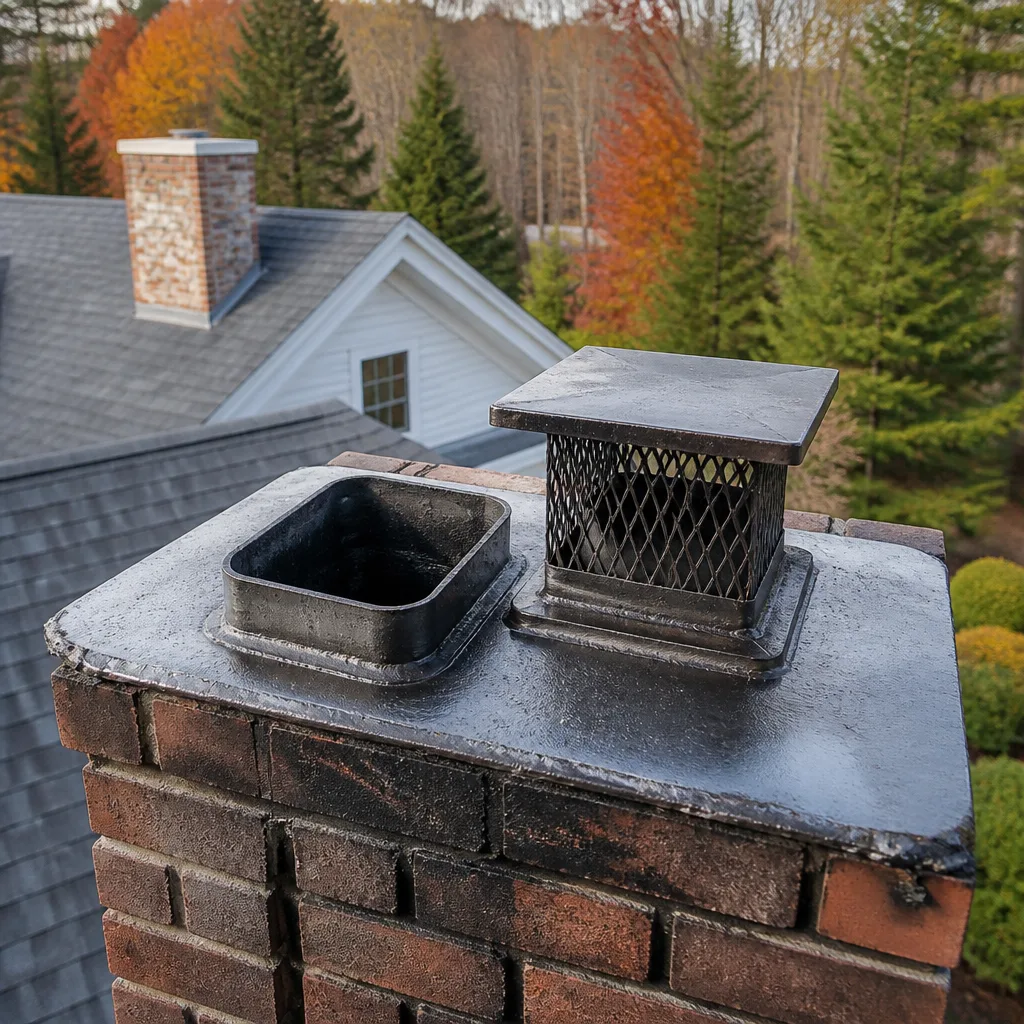
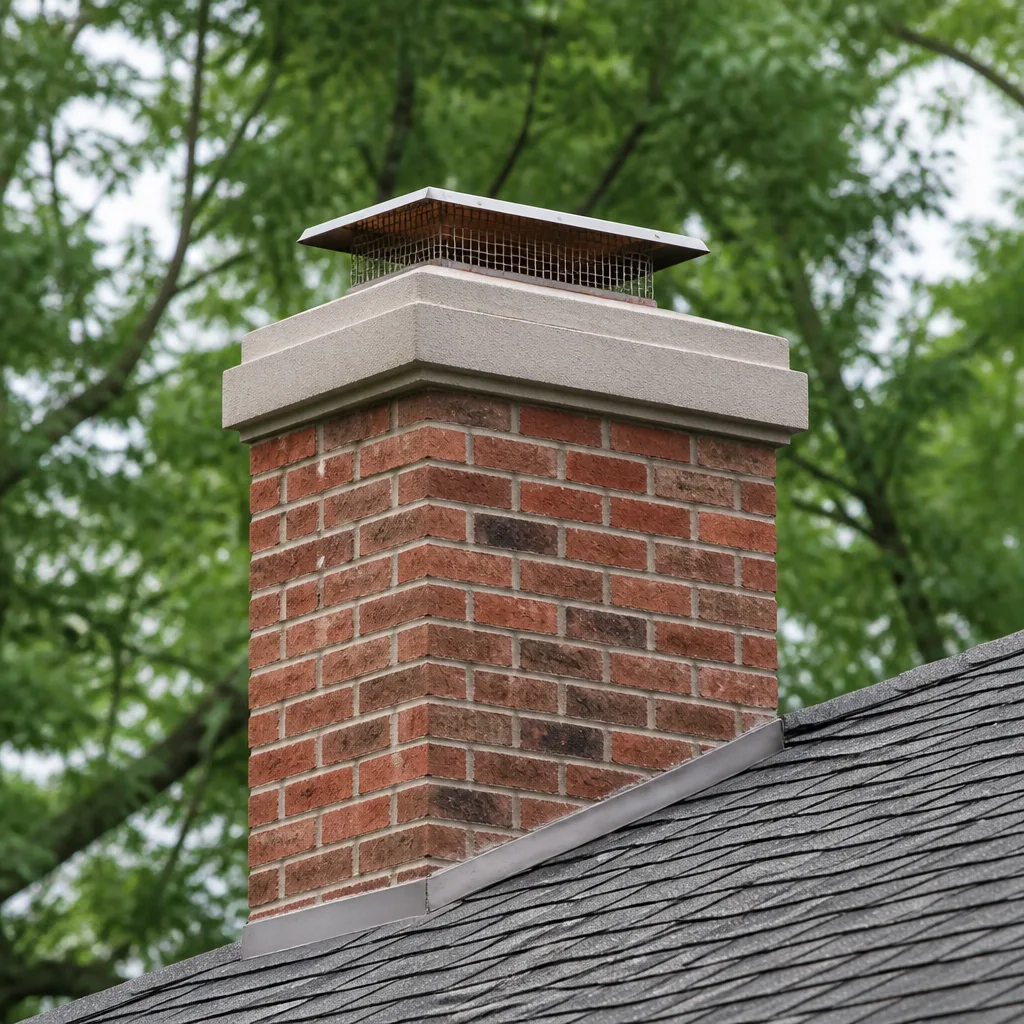
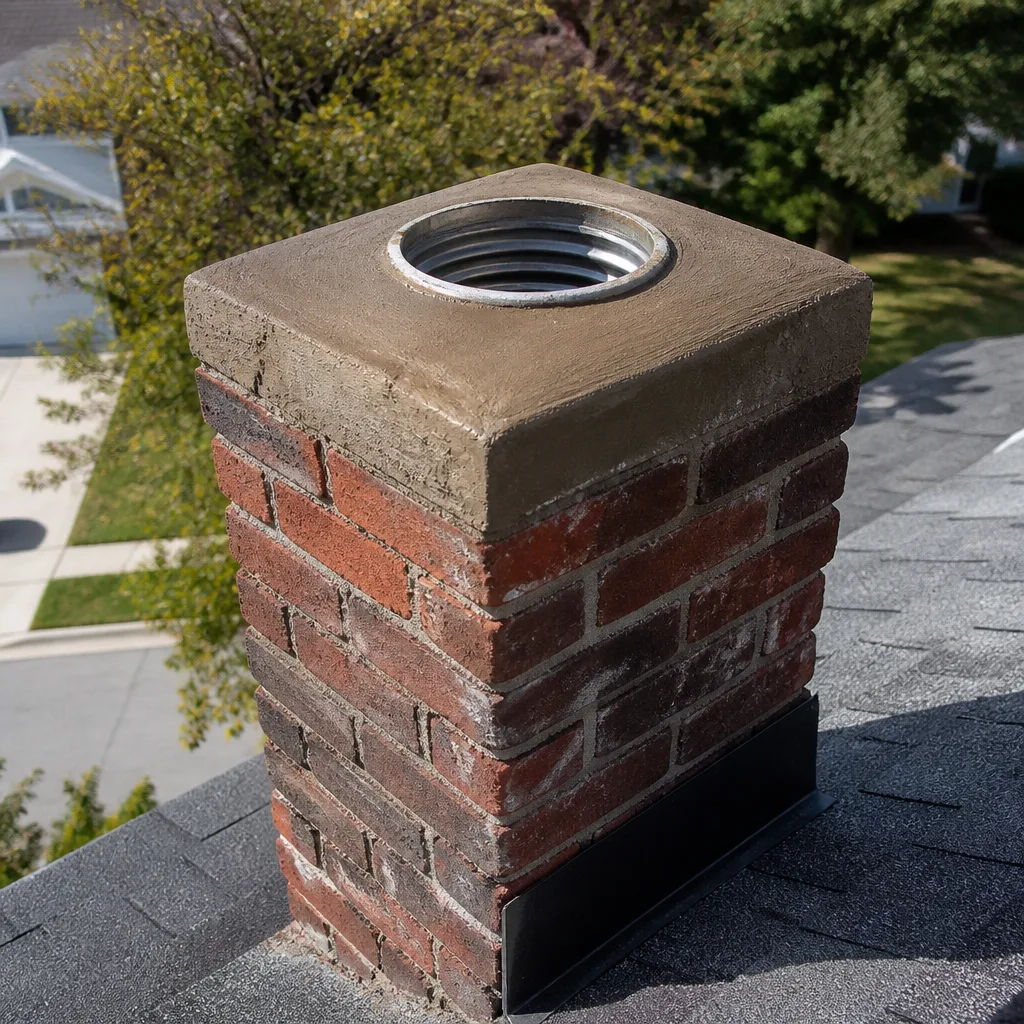
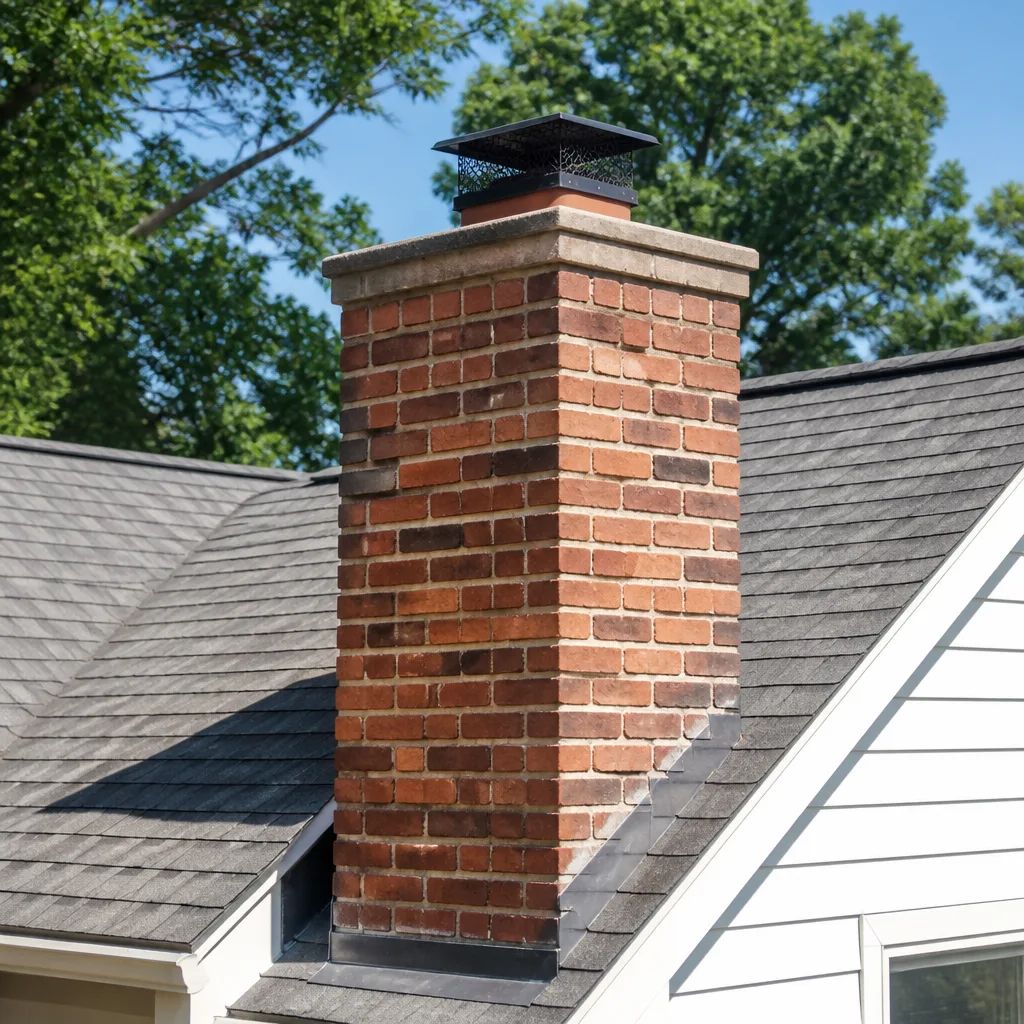
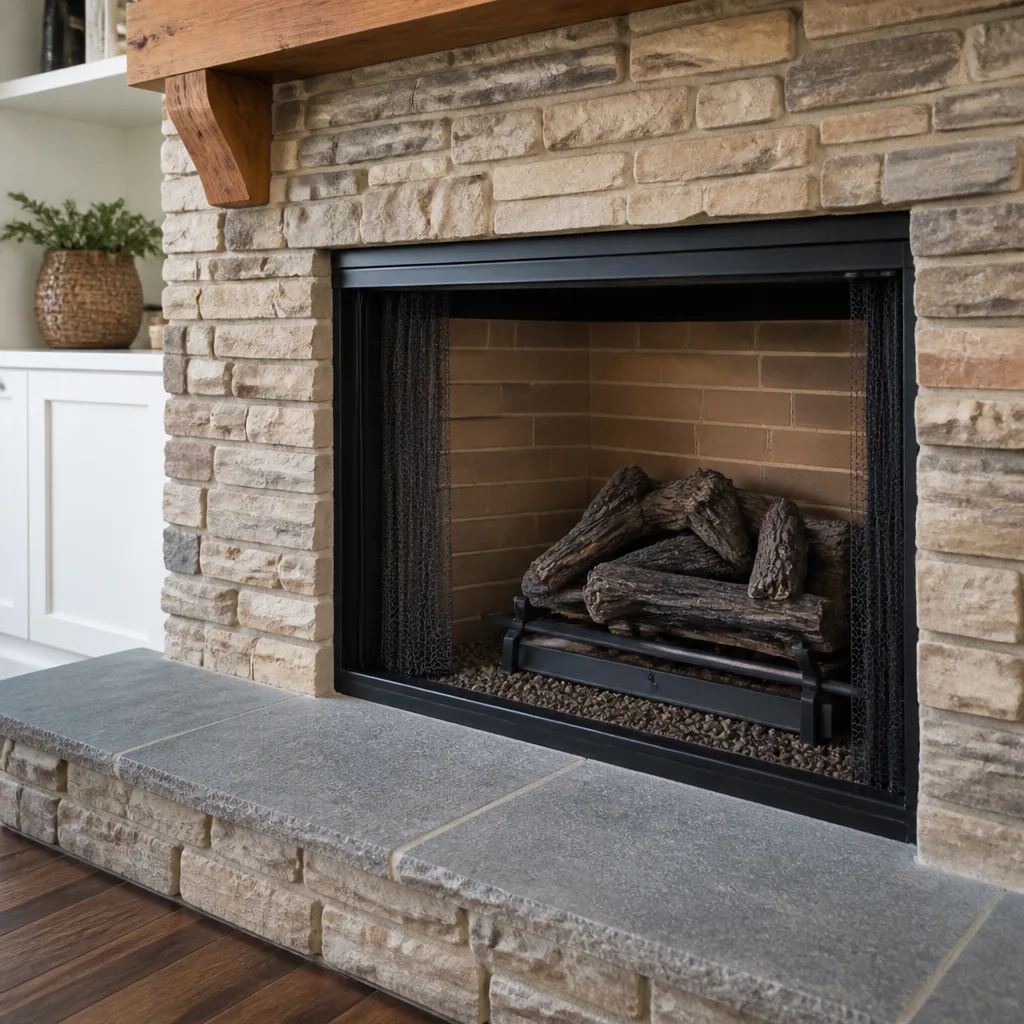
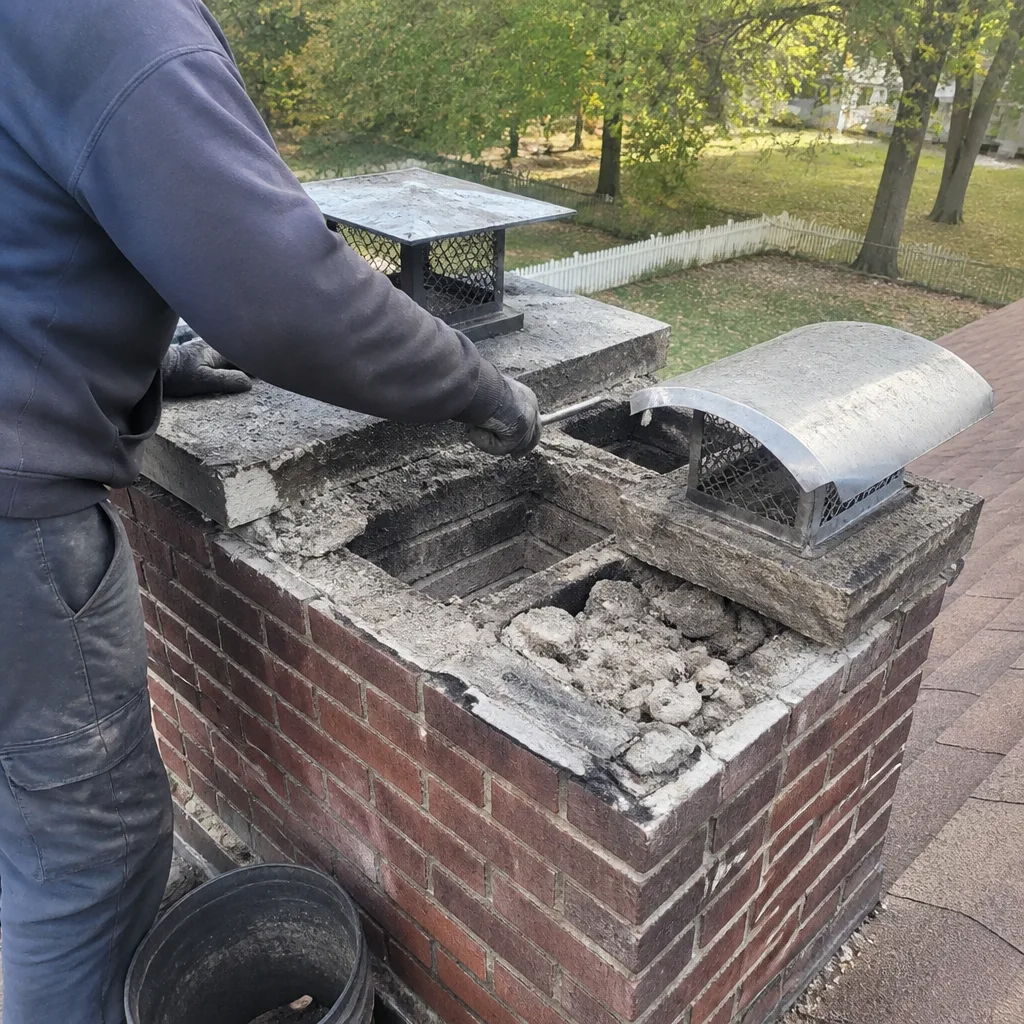 Before
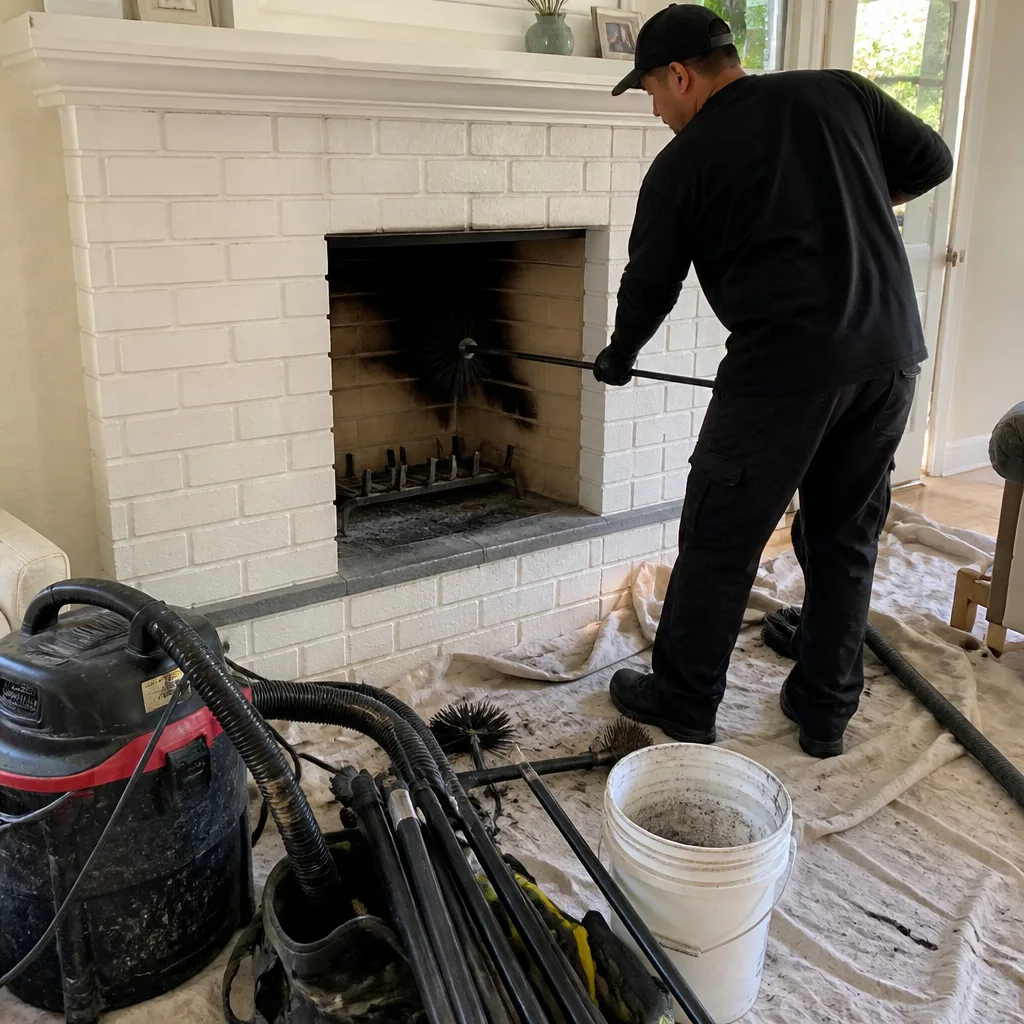 After
After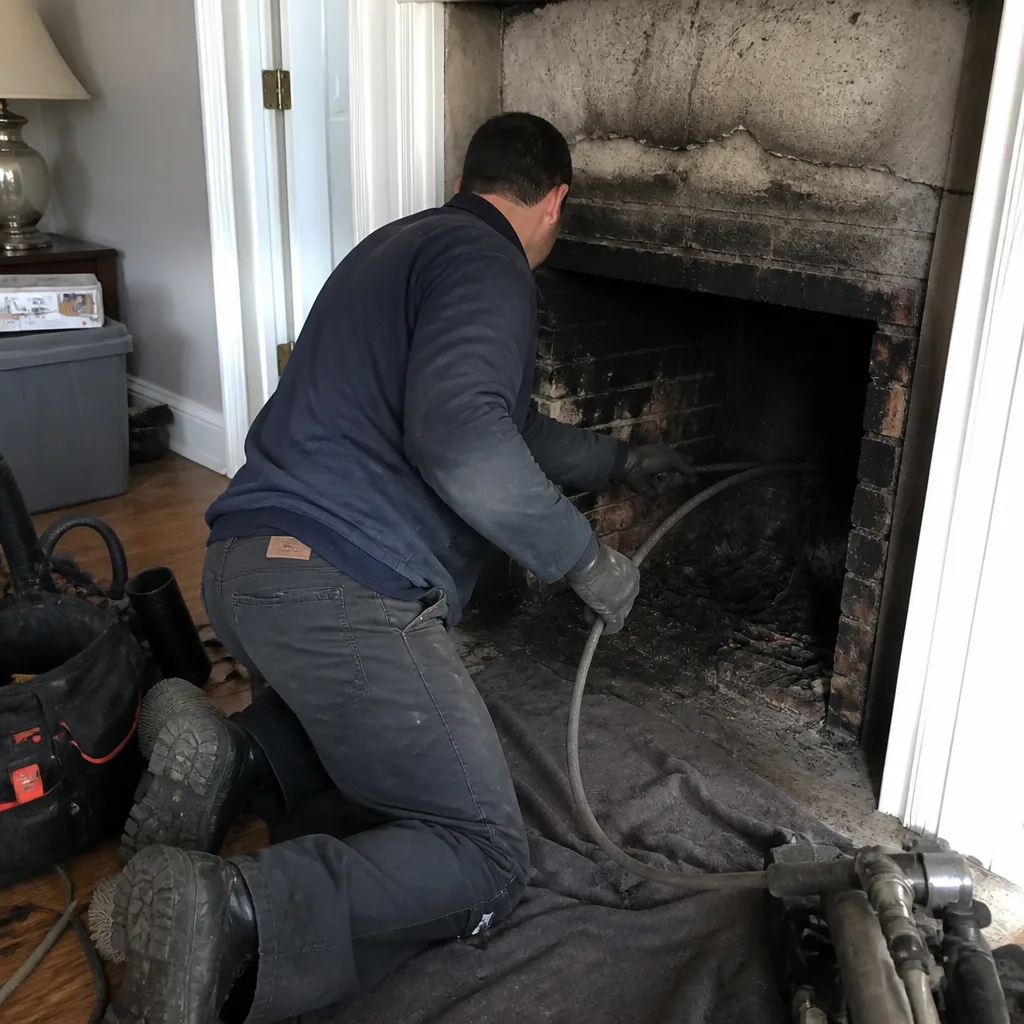 Before
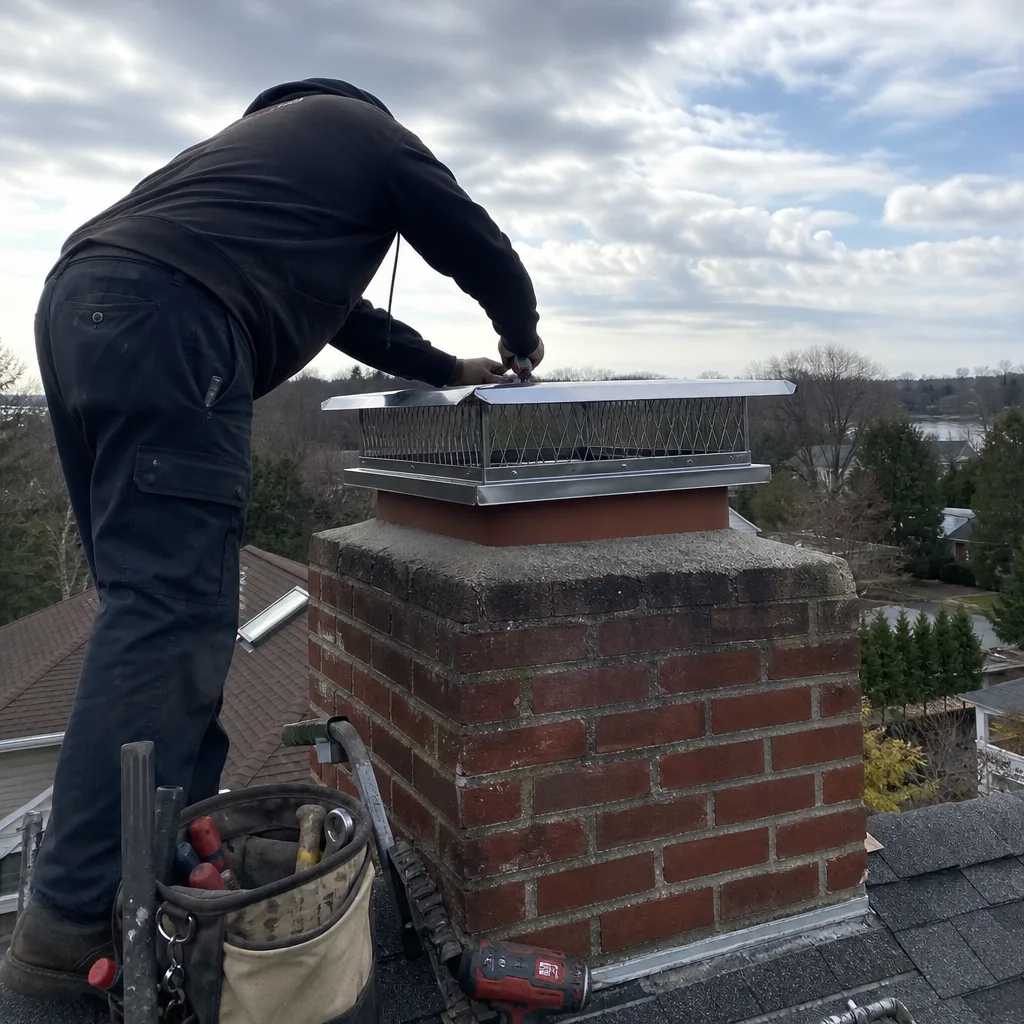 After
After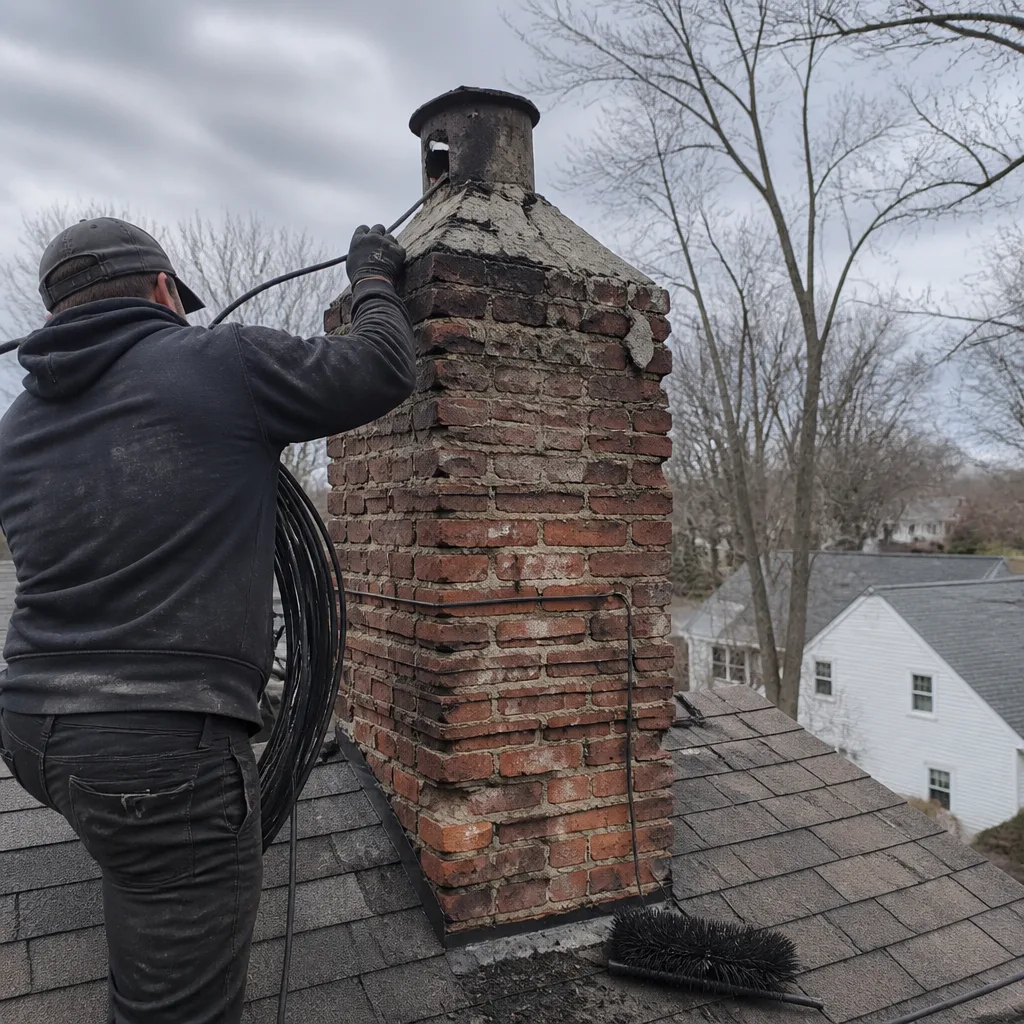 Before
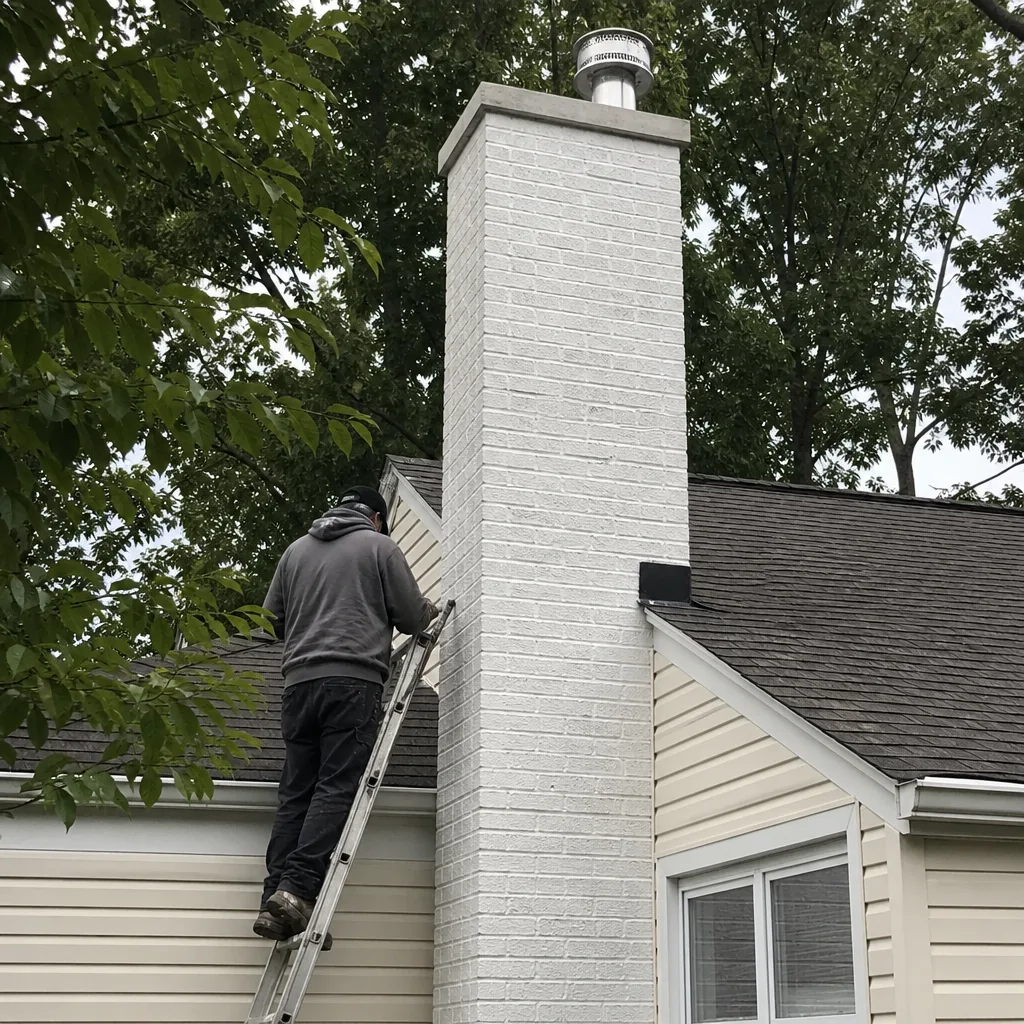 After
AfterChimney Cleaning Permits, Codes & Inspections in NY: What You Need to Know
A homeowner on North Avenue in New Rochelle had a stainless steel chimney liner installed in 2019. The contractor never pulled a permit. Five years later, the buyer’s inspector flagged the unpermitted work during sale, and the seller paid $3,800 to bring it to code - work the original contractor refused to warranty. Most New York homeowners assume chimney cleaning itself requires permits. It usually does not. But the repairs, liner replacements, and structural modifications that a thorough cleaning often reveals? Those frequently do, and the gap between maintenance and construction is where expensive surprises hide. This guide - alongside our complete guide to chimney cleaning in New Rochelle - explains exactly which chimney services trigger permits in Westchester County, what New York’s fire and building codes actually require, and how to protect your home’s insurability and resale value.
Quick Answer
Chimney cleaning and routine sweeping in New York require no building permit. However, liner replacements, chimney rebuilds, crown replacements, and any structural modification typically do require permits under the New York Uniform Fire Prevention and Building Code. A Level 2 camera inspection is mandatory when selling a home, changing fuel types, or after a chimney fire - and its documentation is what insurance companies and building departments increasingly demand.
Table of Contents
- Which Chimney Services Require Permits in Westchester County?
- How NY’s Uniform Fire Code and NFPA 211 Work Together
- Level 2 Inspections: When They’re Legally Required
- What Insurance Companies Now Require After Fire Claims
- The One Scenario Where Unpermitted Work Voids Your Policy
- New Rochelle-Specific Considerations
- Common Mistakes to Avoid
- When to Call a Professional
- Frequently Asked Questions
Which Chimney Services Require Permits in Westchester County?
The line between maintenance and construction determines permit requirements. In Westchester County, building departments follow the New York State Uniform Fire Prevention and Building Code, which delegates enforcement to local municipalities. New Rochelle’s Building Department interprets this code with specific local amendments that affect chimney work.
No Permit Required: Routine Maintenance
These services are classified as maintenance and do not require a building permit in New Rochelle or surrounding Westchester communities:
- Chimney sweeping and creosote removal
- Fireplace cleaning and ash removal
- Basic damper adjustment or lubrication
- Chimney cap cleaning or minor flashing sealant work
- Level 1 visual inspection (no tools entering the flue)
We’ve performed thousands of these maintenance visits across New Rochelle, from the historic homes in Wykagyl to the post-war colonials in Bonnie Crest. No permit, no inspection, no delay.
Permit Required: Construction and Modification
These services trigger building permit requirements in Westchester County:
| Service | Permit Type | Typical Inspection Points |
|---|---|---|
| Chimney liner replacement or installation | Building permit + mechanical | Connection verification, clearance to combustibles |
| Chimney rebuild (partial or complete) | Building permit | Foundation, structural stability, height requirements |
| Crown replacement or significant repair | Building permit | Slope, overhang, reinforcement |
| Fireplace insert installation | Building permit + mechanical | Hearth extension, clearance, venting |
| Chimney height modification | Building permit | Code minimum height, draft performance |
| Thimble or connector pipe replacement | Mechanical permit | Proper sizing, support, clearance |
The permit threshold is not dollar amount - it is scope of work. A $200 crown sealant application needs no permit. A $2,200 crown rebuild does. We’ve seen New Rochelle homeowners caught off-guard when a “simple repair” crossed this line because the contractor never explained the permitting requirement.
The Hidden Trigger: Fuel Type Changes
Converting from wood to gas, or oil to pellet, always requires a permit - even when the chimney itself appears unchanged. The combustion characteristics differ, and New York’s code treats fuel changes as system modifications, not maintenance. This catches homeowners who install gas logs as a “simple upgrade” without realizing the permit implications.
How NY’s Uniform Fire Code and NFPA 211 Work Together
New York’s fire and building codes create a layered system that confuses even some contractors. Understanding the relationship protects you from both non-compliant work and unnecessary costs.
The Two-Code System Explained
The New York State Uniform Fire Prevention and Building Code (Uniform Code) is state law, administered by the Department of State. It incorporates by reference the NFPA 211 Standard for Chimneys, Fireplaces, Vents, and Solid Fuel-Burning Appliances, published by the National Fire Protection Association. Here’s how they interact:
- The Uniform Code sets the legal floor. It mandates permits, inspections, and enforcement. Local building departments in Westchester County, including New Rochelle’s, derive their authority from this code.
- NFPA 211 sets the technical standard. It specifies how chimneys must be constructed, what clearances are required, how liners must be sized, and what inspection protocols must follow. The Uniform Code adopts NFPA 211 as its technical reference - so when New Rochelle’s building inspector checks your liner installation, they’re checking against NFPA 211 criteria.
- Local amendments add specificity. New Rochelle’s building code includes amendments for seismic considerations, snow load, and wind exposure that affect chimney construction in ways NFPA 211 does not address.
What This Means for Homeowners
A contractor who knows NFPA 211 but ignores local amendments may install a technically sound liner that still fails New Rochelle inspection. We’ve seen this with DuraFlex liners sized correctly for the appliance but installed with insufficient clearance to combustibles for Westchester’s amended requirements. The fix required removal and reinstallation - at the homeowner’s expense, because the original contractor had disappeared.
The inverse problem also exists: some contractors cite “code requirements” that exceed actual code, upselling unnecessary work. The only reliable verification is documentation that cites the specific code section and shows compliance.
Climate-Specific Considerations in New Rochelle
Our location on Long Island Sound creates specific conditions that affect chimney performance and code interpretation. The freeze-thaw cycle here is more severe than inland Westchester, with coastal moisture penetrating masonry and expanding during cold snaps. New Rochelle’s amended code recognizes this with specific requirements for crown construction and waterproofing that exceed base NFPA 211 standards. A crown that passes inspection in White Plains may fail here if it lacks adequate drip edge and slope for our exposure.
Level 2 Inspections: When They’re Legally Required
Not all chimney inspections are equal. NFPA 211 defines three levels, and Level 2 is where documentation requirements become legally significant.
The Three Levels Defined
Level 1: Visual examination of readily accessible portions. No tools enter the flue. Appropriate for annual maintenance when no changes have occurred.
Level 2: Video camera inspection of the entire flue interior, plus accessible exterior portions. Requires specialized equipment and training. Documents liner condition, creosote buildup, obstruction, and structural defects with photographic evidence.
Level 3: Invasive inspection requiring demolition of building components. Reserved for suspected hidden hazards that Level 2 cannot resolve.
When Level 2 Becomes Mandatory
NFPA 211 mandates a Level 2 inspection in these specific circumstances:
- Sale or transfer of property. This is the most common trigger in New Rochelle’s active real estate market. The inspection must occur before closing, and documentation becomes part of the transaction record.
- Change of appliance or fuel type. Installing a new insert, converting from wood to gas, or any modification to the combustion system.
- After a chimney fire or external damage. Even “small” chimney fires can crack liners or displace mortar. Visual inspection cannot verify hidden damage.
- Before relining. The condition assessment determines liner type and sizing. We use HeatShield or DuraFlex systems depending on what the Level 2 reveals.
What Level 2 Documentation Must Include
A compliant Level 2 report contains:
- Date, address, and technician identification
- Camera video of the entire flue length
- Still photographs of all defects and areas of concern
- Written assessment of liner condition, clearances, and structural integrity
- Specific recommendations with code citations
- Clear statement of whether the system is safe for use as-is
Our Level 2 inspections end with photos you can see and a plain-English verdict - documented like an engineer, explained like a craftsman. The report is delivered digitally and in print, with video files preserved for insurance or real estate purposes.
The Real Estate Reality in New Rochelle
In New Rochelle’s competitive market, buyers’ attorneys increasingly require Level 2 documentation before contract signing, not just at closing. Sellers who wait until inspection contingency face price negotiations or repair credits. We’ve performed pre-listing Level 2 inspections for homeowners in the Wykagyl and Wilmot Park neighborhoods who wanted to address issues proactively. The $250-$400 inspection cost typically returns multiples in smoother transactions and stronger negotiating position.
What Insurance Companies Now Require After Fire Claims
The insurance landscape for chimney-related claims has shifted dramatically. Documentation standards that were optional five years ago are now routinely enforced.
The New Documentation Requirements
After any fire-related claim involving a chimney or fireplace, insurers increasingly request:
- Proof of annual chimney inspection (Level 1 minimum, Level 2 preferred)
- Documentation of any repairs or modifications with permit verification
- Photographic evidence of liner condition prior to the incident
- Service records from qualified technicians (not handyman or self-performed work)
The format matters. Insurers want dated, itemized invoices with technician credentials - not handwritten receipts or verbal assurances. Our reports include license numbers, insurance verification, and itemized work descriptions that satisfy adjusters’ requirements.
Why This Changed
Chimney fires cause an estimated 25,000 residential fires annually nationwide, with average claims exceeding $12,000. Insurers have responded by tightening underwriting for homes with solid-fuel heating. In New Rochelle’s older housing stock, where original masonry chimneys may never have been lined, this creates particular exposure - one reason we encourage homeowners to review our chimney cleaning warning signs regularly. We’ve worked with homeowners whose insurers required Level 2 inspection and liner certification as a condition of policy renewal - not after a claim, but proactively.
The Documentation Gap That Denies Claims
The most common claim denial we see: homeowner has a chimney fire, calls for emergency service, but has no record of prior maintenance. The insurer argues the fire resulted from neglect, and without annual inspection documentation, the homeowner cannot disprove this. A $150 annual sweep becomes very expensive when its absence costs a $15,000 claim denial.
Our recommendation: keep a dedicated file (physical or digital) with all chimney service records, inspection reports, and permit documentation. Update it annually. If you ever need it, you’ll need it urgently.
The One Scenario Where Unpermitted Work Voids Your Policy
Most homeowners assume unpermitted work creates fines or resale complications. The more serious risk is insurance voidance - and it follows a specific pattern.
The Voidance Scenario
Homeowner’s insurance policies contain a standard provision requiring disclosure of “material changes to the structure.” This includes chimney modifications. If you have a liner installed without permit, and that liner is involved in a fire or carbon monoxide incident, the insurer may deny the entire claim - not just the chimney portion - on grounds of material misrepresentation.
The mechanism: the policy was underwritten based on the home’s documented condition. Unpermitted work changes that condition without the insurer’s knowledge. Courts have upheld denials where the unpermitted work contributed to the loss, even tangentially.
How This Plays Out in Practice
A New Rochelle homeowner in the Residence Park neighborhood had a pellet stove installed with an unpermitted liner in 2021. In 2023, a house fire originated in an unrelated electrical circuit. The insurer investigated, discovered the unpermitted liner, and denied the entire $340,000 claim. The homeowner’s lawsuit failed; the policy language was clear. The liner had not caused the fire, but its presence voided the policy’s validity.
This is the scenario that transforms permit avoidance from a cost-saving shortcut into catastrophic exposure. The $500 permit and $200 inspection that “seemed unnecessary” became a $340,000 lesson.
Protection Strategies
Verify permit status before any chimney modification. Request the permit number from your contractor, then confirm it with New Rochelle’s Building Department (516) 927-2678). Keep permit documentation with your insurance records. If you discover prior unpermitted work during a home purchase, address it before closing - either require the seller to permit retroactively (difficult but possible) or factor remediation into your offer.
Our Chimney Repair in New Rochelle service always includes permit handling for work that requires it. The permit fee is itemized upfront - no surprises on the bill - and we coordinate all inspections.
New Rochelle-Specific Considerations
Local knowledge prevents local problems. New Rochelle’s building department, climate, and housing stock create specific considerations that generic New York advice misses.
New Rochelle Building Department Practices
The Building Division at City Hall processes chimney permits with typical turnaround of 5-7 business days for standard applications. Emergency repairs can proceed with next-day inspection scheduling if safety is documented. However, the department requires contractor licensing verification - unlicensed contractors cannot pull permits in New Rochelle. We’ve seen homeowners discover their “contractor” was unlicensed only when permit application failed.
Permit fees for chimney work run approximately $150-$400 depending on scope, with separate fees for mechanical permits when applicable. The inspection schedule typically requires rough inspection (before closure) and final inspection. For liner installations, a smoke test or pressure test may be required to verify sealed joints.
Neighborhood-Specific Patterns
Our 42 years of service in New Rochelle has revealed patterns by neighborhood:
- Wykagyl and Wilmot Park (pre-1940 homes): Original unlined chimneys are common. Level 2 inspection almost always reveals need for lining or HeatShield resurfacing. Permit requirements for liner installation are standard.
- Bonnie Crest and Residence Park (1940s-1960s): Clay tile liners installed during construction are now reaching end of service life. Spalling and mortar deterioration require camera verification. Partial rebuilds with permit are increasingly common.
- North Avenue corridor (mixed vintage): Previous owner modifications create the most permit complications. We’ve found unpermitted inserts, improvised venting, and DIY repairs that require complete remediation to achieve code compliance.
Coastal Climate Effects
New Rochelle’s Long Island Sound exposure accelerates chimney deterioration in specific ways. Salt-laden air corrodes stainless caps and spark arrestors faster than inland locations. The thermal mass of masonry chimneys creates condensation cycles that degrade liners, particularly in shoulder seasons when intermittent firing doesn’t fully warm the flue. Our inspections account for these patterns, and our material selections - Gelco caps with marine-grade fasteners, for example - address them specifically.
Common Mistakes to Avoid
- Assuming cleaning requires a permit. It doesn’t - but letting this assumption prevent you from scheduling annual maintenance creates the creosote buildup that leads to fires requiring far more expensive remediation.
- Accepting verbal permit assurances. A contractor who says “I’ll take care of it” without showing you the permit application is a contractor who may never file it. Request the permit number and verify independently with New Rochelle Building Department.
- Skipping Level 2 inspection before home purchase. The $300-$400 cost reveals problems that become leverage in negotiation or grounds for walking away. We’ve saved New Rochelle buyers from inheriting $8,000+ liner replacement costs.
- Confusing home inspection with chimney inspection. General home inspectors visually examine chimneys from the ground or roof edge. They do not camera-inspect flues, evaluate liner condition, or verify code compliance. Their “chimney looks fine” is not a substitute for qualified chimney professional assessment.
- Neglecting to transfer permit documentation at sale. Permits stay with the property, but physical documentation often disappears. Request all permit records from sellers and verify completion with the building department before closing.
- DIY liner installation. Stainless steel liner kits are sold online with “easy installation” claims. Without proper sizing, support, and connection - verified by inspection - these create fire hazards and insurance voidance. The money saved becomes money multiplied in remediation.
- Ignoring permit requirements for “like-for-like” replacement. Even replacing an existing liner with identical specifications requires permit in New Rochelle if the original was unpermitted or if code has changed since original installation.
When to Call a Professional
Call a qualified chimney professional when: you’re buying or selling a home in New Rochelle and need Level 2 inspection documentation; any chimney work involves liner, crown, or structural modification; you’ve had a chimney fire, however minor; your insurer requests inspection records; or you discover unpermitted work from a previous owner and need remediation guidance.
Hearthstone Chimney Co. offers free estimates in New Rochelle - and more guides & resources - call (516) 927-2678. Our Level 2 camera inspections end with photos you can see and a plain-English verdict. We handle permit applications for all work that requires them, and our 90-Day Done Right Promise means if it’s not right, we make it right - in writing, no arguing. Calls are answered by a live person 24 hours a day, 7 days a week.
Frequently Asked Questions
No state license is required specifically for chimney sweeping in New York, though local business licenses apply. The sweep itself requires no building permit. However, any repair or modification the sweep reveals - liner replacement, crown rebuild, structural repair - may require permitting. We recommend choosing a sweep who can identify permit-triggering conditions and either perform the permitted work or refer you to a qualified contractor who will.
Level 1 visual inspections typically run $150-$250. Level 2 camera inspections range $300-$450 depending on chimney height and accessibility. Our $89 Seasonal Tune-Up includes Level 1 inspection and basic maintenance for systems with no known issues. For real estate transactions or suspected problems, the Level 2 investment provides documentation that protects your transaction and insurability. Call (516) 927-2678 for exact pricing on your specific chimney.
NFPA 211 recommends annual inspection for all chimneys, and sweeping when creosote buildup exceeds 1/8 inch. In New Rochelle’s climate, with our freeze-thaw cycles and coastal moisture, we see faster creosote accumulation in chimneys that vent appliances burning at lower temperatures (modern EPA-certified stoves, for example). Most homeowners burning wood regularly need annual sweeping. Oil and gas systems typically need less frequent cleaning but still require annual inspection for venting integrity. The inspection determines need - blanket scheduling without assessment wastes money; skipping inspection risks safety.
Untended chimneys accumulate creosote, the combustible byproduct of wood burning. When ignited, chimney fires reach 2,000°F - sufficient to crack clay liners, damage masonry, and ignite adjacent framing. Beyond fire risk, deteriorated liners and blocked flues can vent carbon monoxide into living spaces. In New Rochelle’s older homes with original construction, the consequences compound: unlined or deteriorated chimneys present both fire and poisoning hazards simultaneously. The $150-$250 annual maintenance cost compares to $5,000-$15,000+ for fire remediation, medical costs, or worst case, loss of life. Maintenance is not optional for occupied systems.
This depends entirely on what a Level 2 inspection reveals. Unlined chimneys, common in pre-1940 New Rochelle construction, violate modern code for any solid-fuel appliance. Clay tile liners with cracks, spalling, or missing mortar joints may be repairable with HeatShield resurfacing or may require complete replacement. Gas appliances in unlined chimneys create condensation damage and potential CO hazards. We never recommend liner work without camera evidence you can see yourself, and we’ll tell you plainly when work can safely wait versus when it cannot. Our Fireplace Services in New Rochelle include honest assessment with documentation.
You can list it, but you may not close easily. Buyers’ inspectors increasingly flag unpermitted modifications. Attorneys for buyers in Westchester County typically require permit verification for any structural or mechanical work. The most common resolution: seller obtains retroactive permit (difficult, sometimes impossible), provides repair credit, or reduces sale price. In our experience, proactive permitting and remediation before listing costs less than reactive negotiation under contract pressure. If you’re considering selling, a pre-listing Level 2 inspection with permit status verification is sound investment.
A general home inspector evaluates hundreds of systems in 2-4 hours. Chimney assessment is typically visual from ground or roof edge, without flue camera, without combustion analysis, without liner condition verification. A qualified chimney professional spends focused time on this single system, with specialized equipment and code-specific knowledge. We’ve corrected dozens of “chimney passed inspection” assessments that missed cracked liners, improper clearances, or blocked flues. For chimney-specific concerns, hire a chimney-specific professional. Our Chimney Cleaning & Sweep in New Rochelle service includes thorough system evaluation beyond what general inspection provides.
The Bottom Line
Chimney cleaning itself requires no permit in New York - but the work it reveals often does, and the distinction between maintenance and construction carries real consequences for insurance, safety, and property value. New York’s Uniform Fire Prevention and Building Code, working with NFPA 211, creates clear requirements that protect homeowners when followed and expose them when ignored. Level 2 inspections provide the documentation that satisfies insurers, buyers, and building departments. In New Rochelle’s specific climate and market, proactive compliance costs less than reactive remediation. The master sweep’s approach is straightforward: inspect thoroughly, document completely, permit properly, and stand behind the work. Done right - and we stand behind it.
Written by Russell Haines, Owner at Hearthstone Chimney Co., serving New Rochelle since 2014.