
Last updated September 10, 2026
Level 1 sweep and inspection to the NFPA 211 annual standard - flue, crown, cap, and flashing checked and photographed
Chimney sweep logs do not sweep chimneys. They loosen some creosote - which then falls where a brush and vacuum still have to collect it.
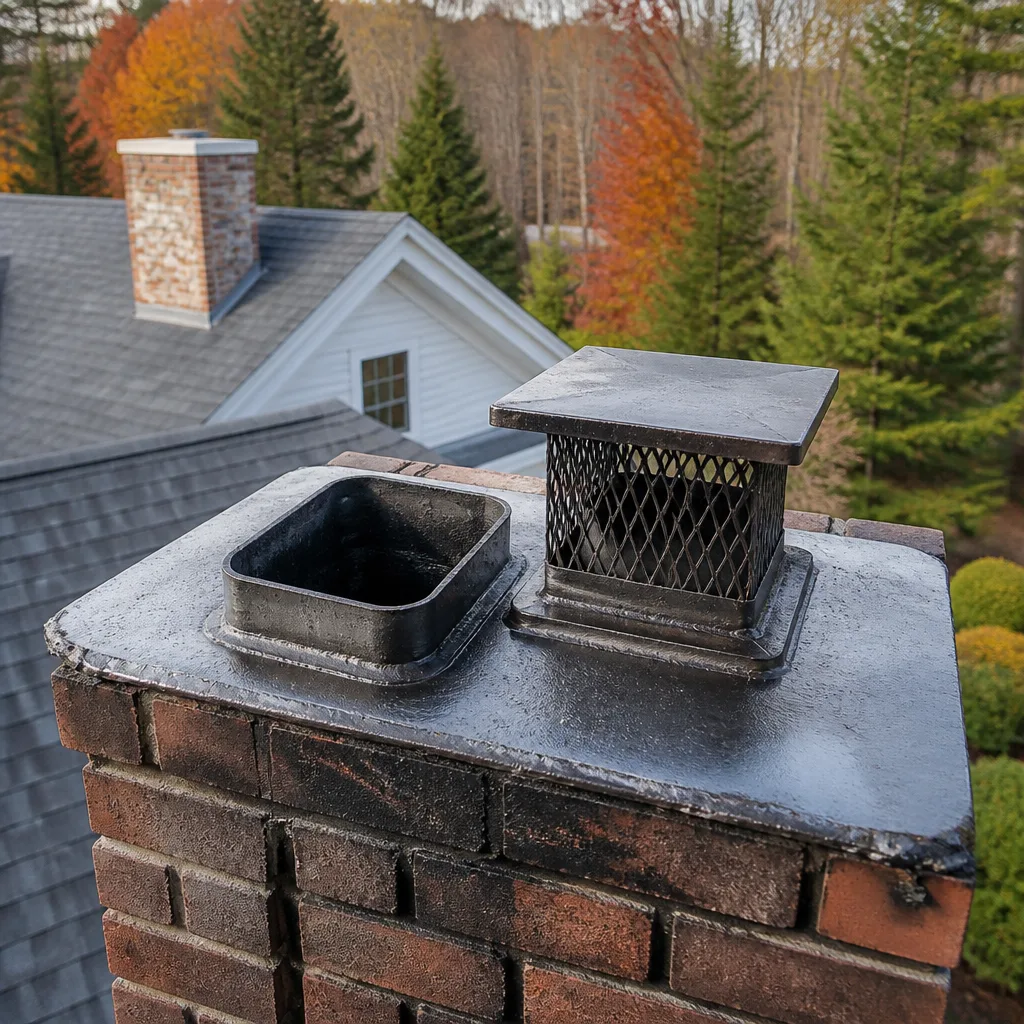
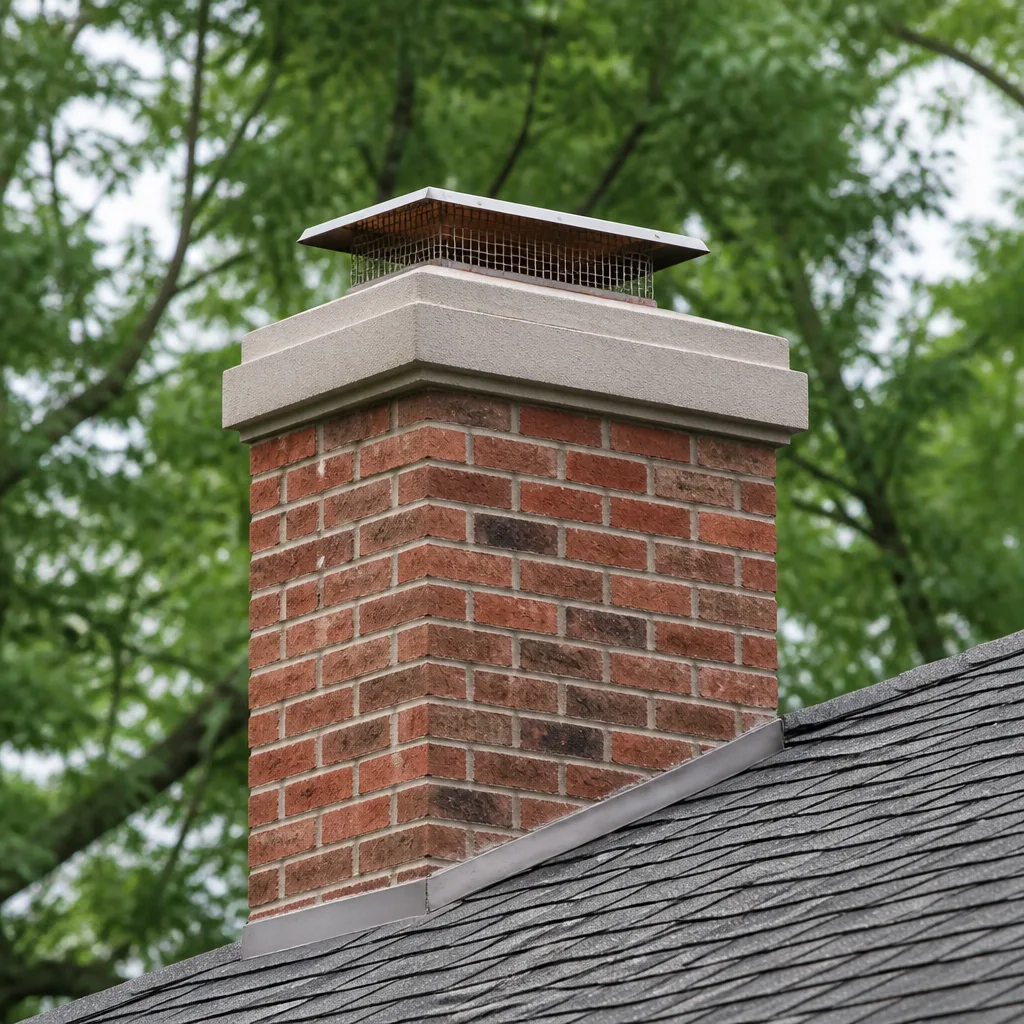
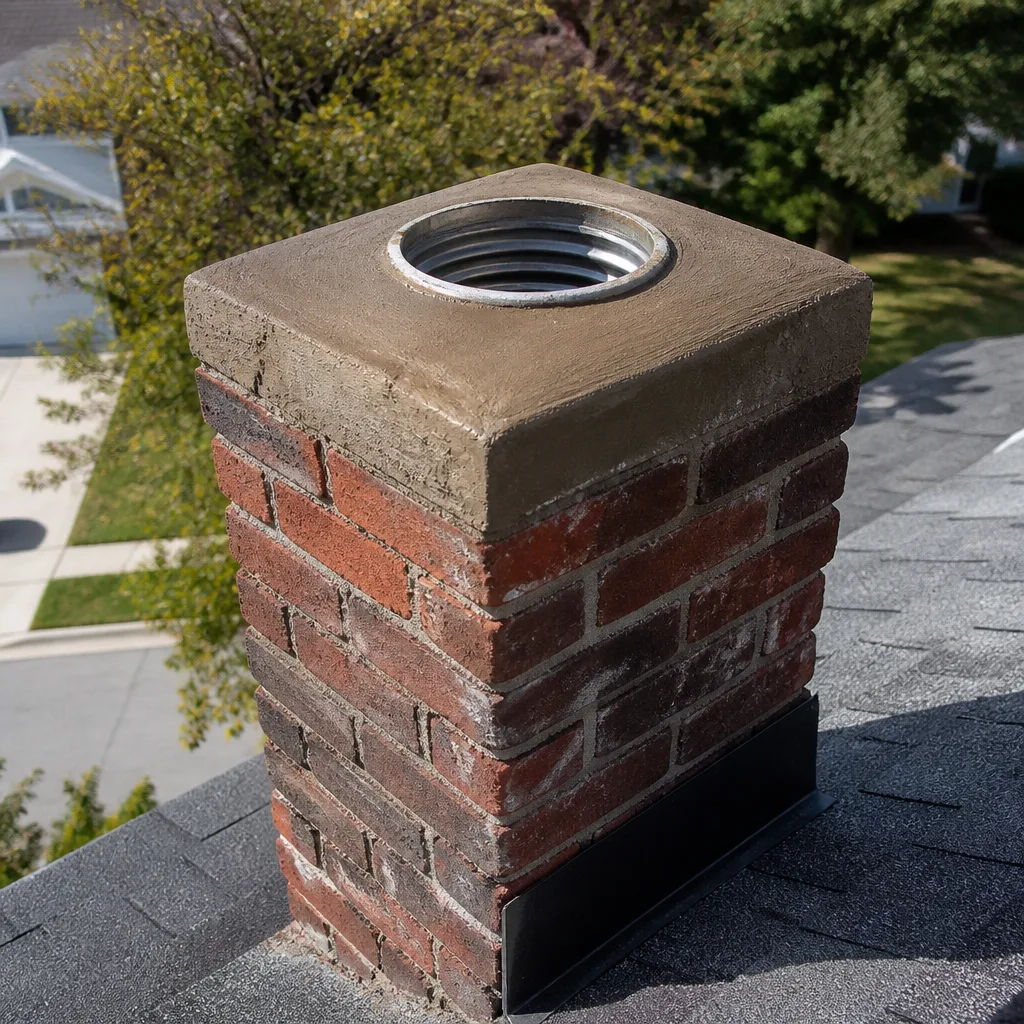
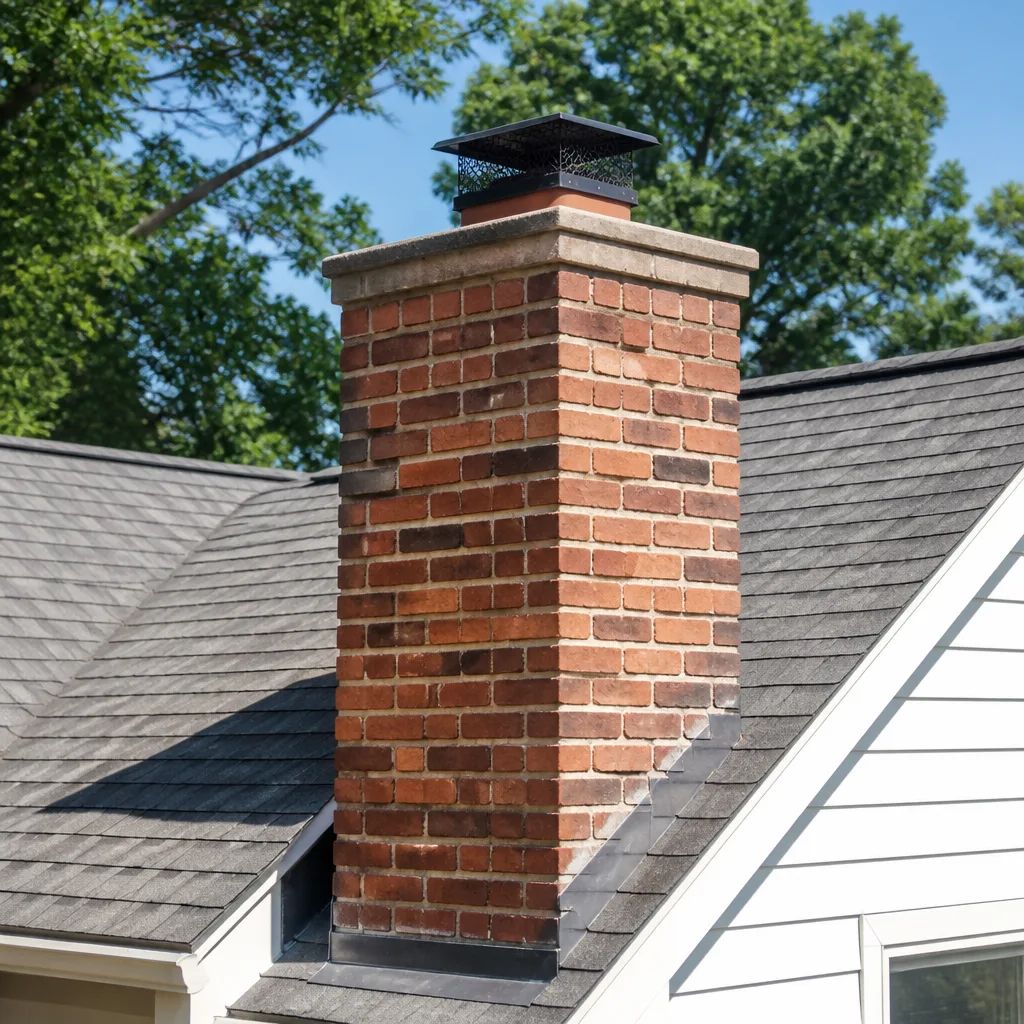
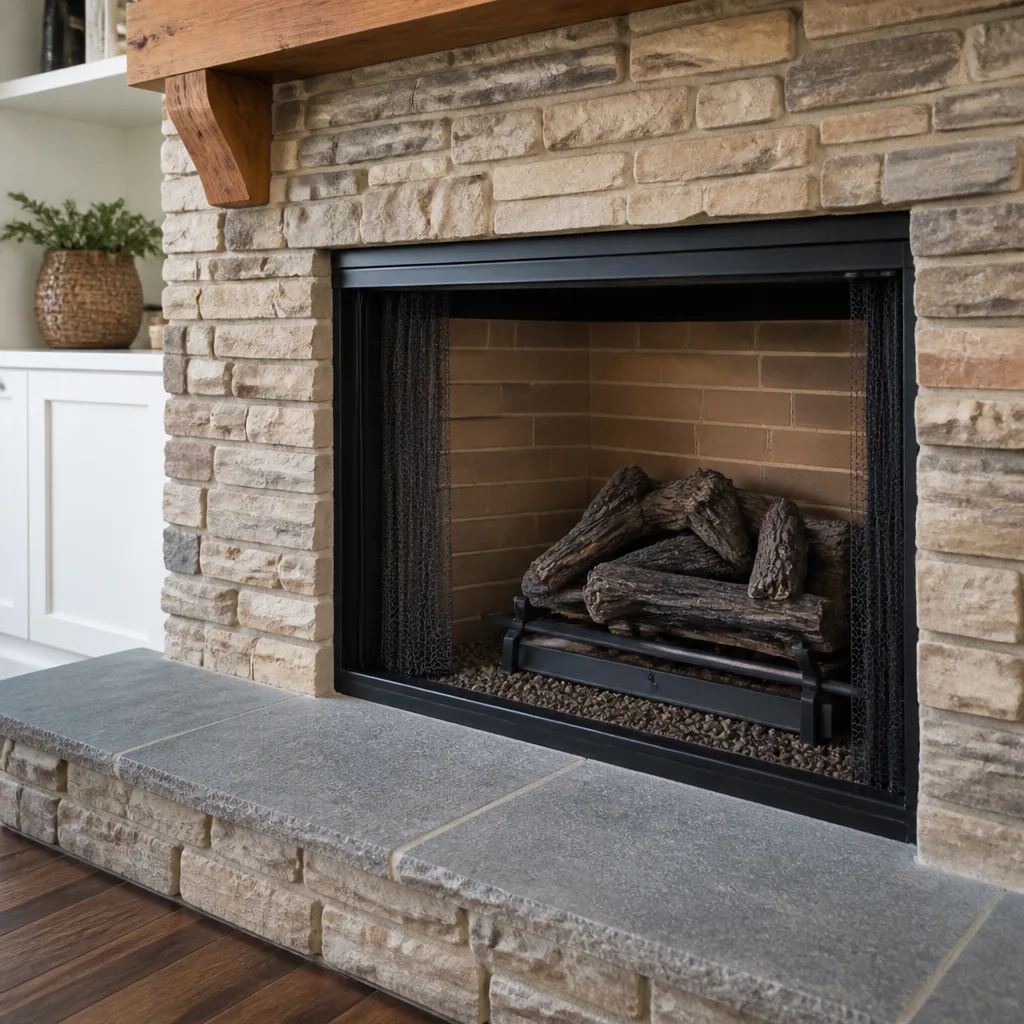
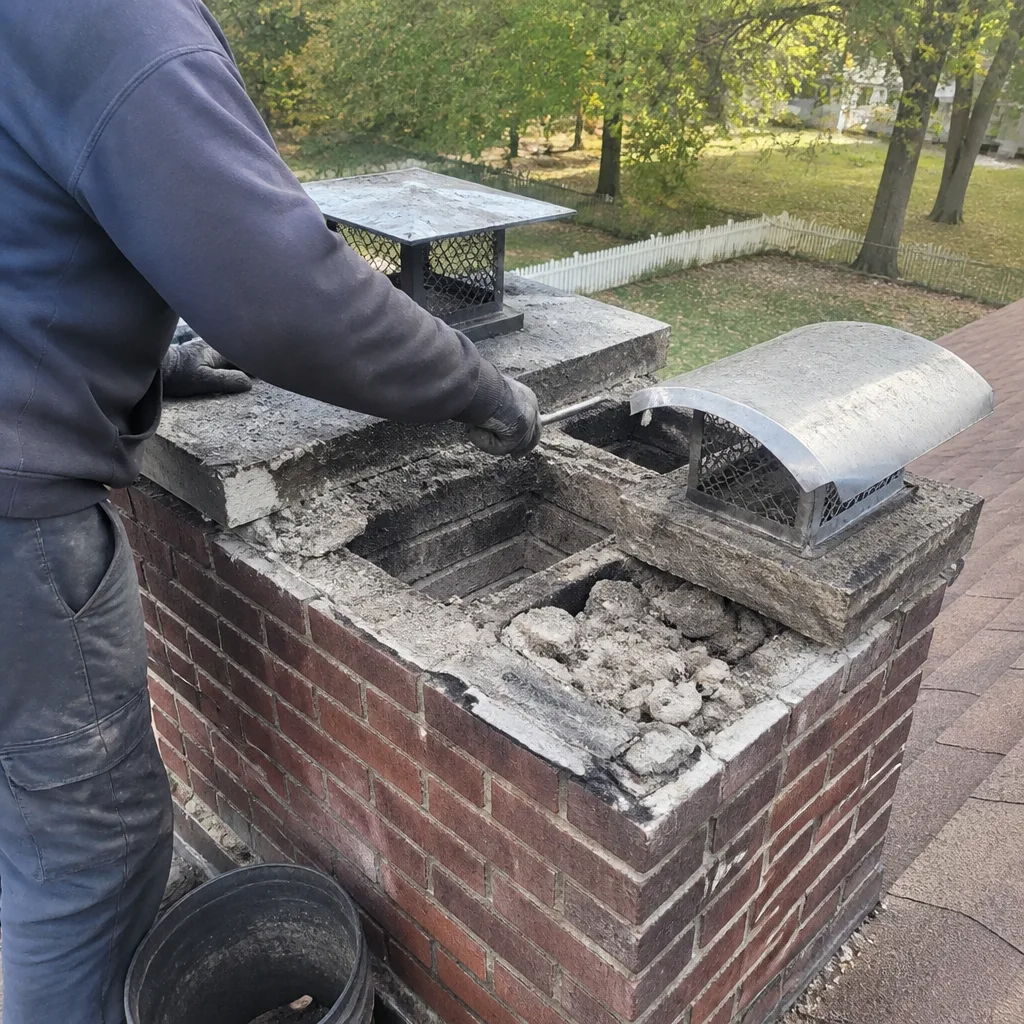 Before
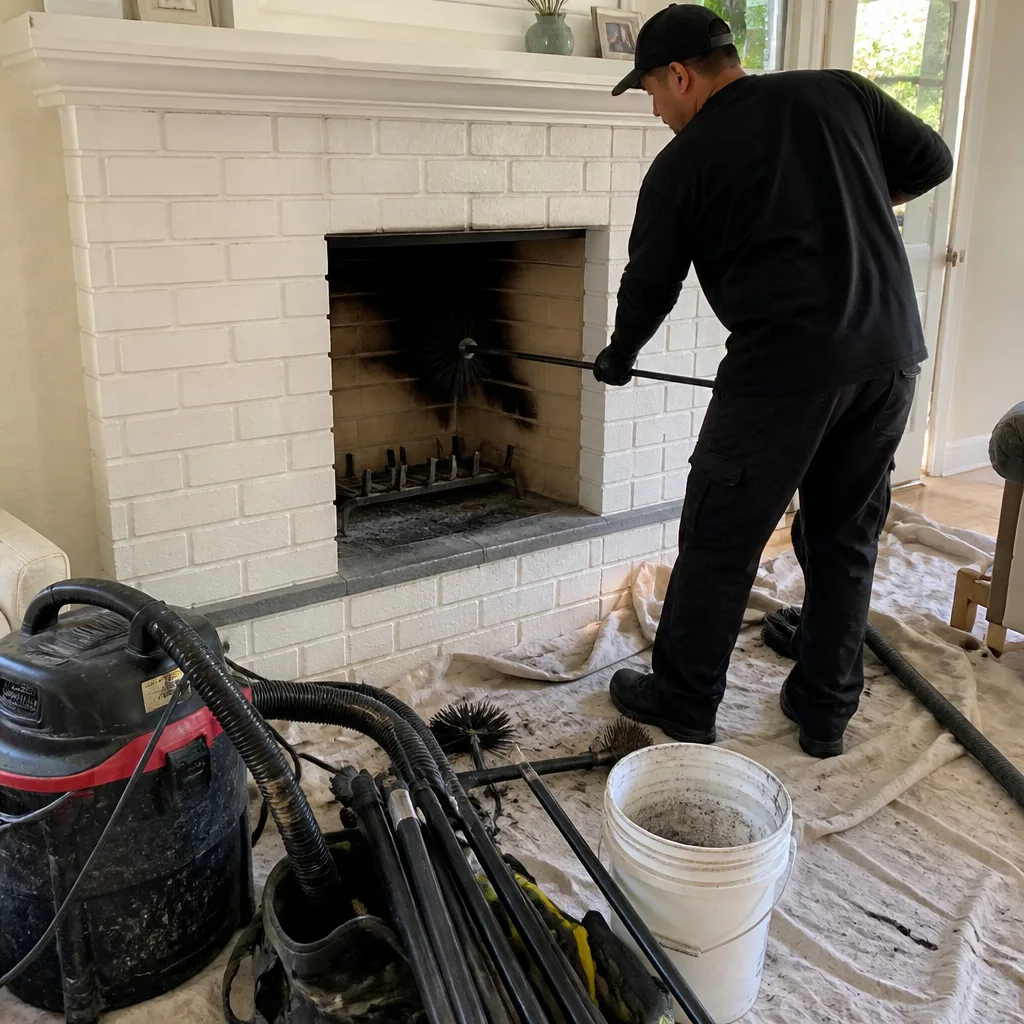 After
After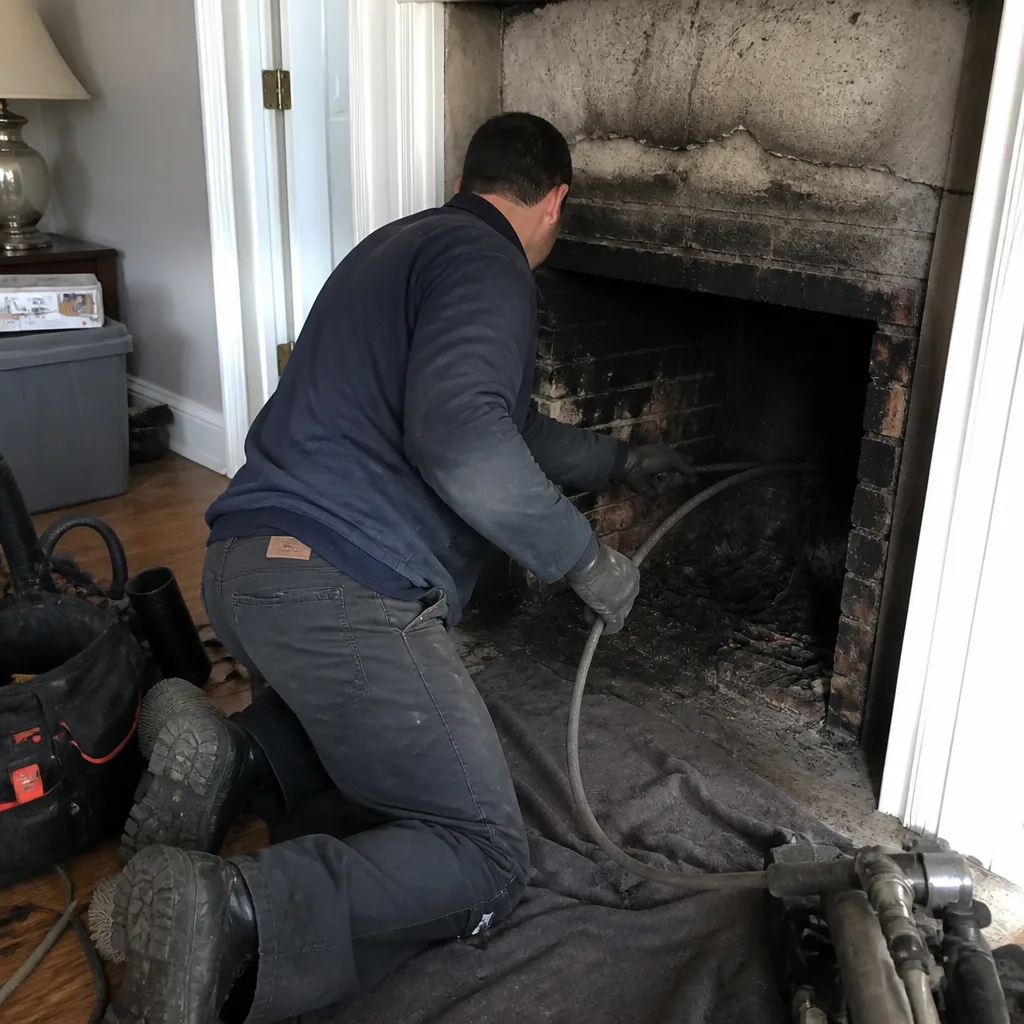 Before
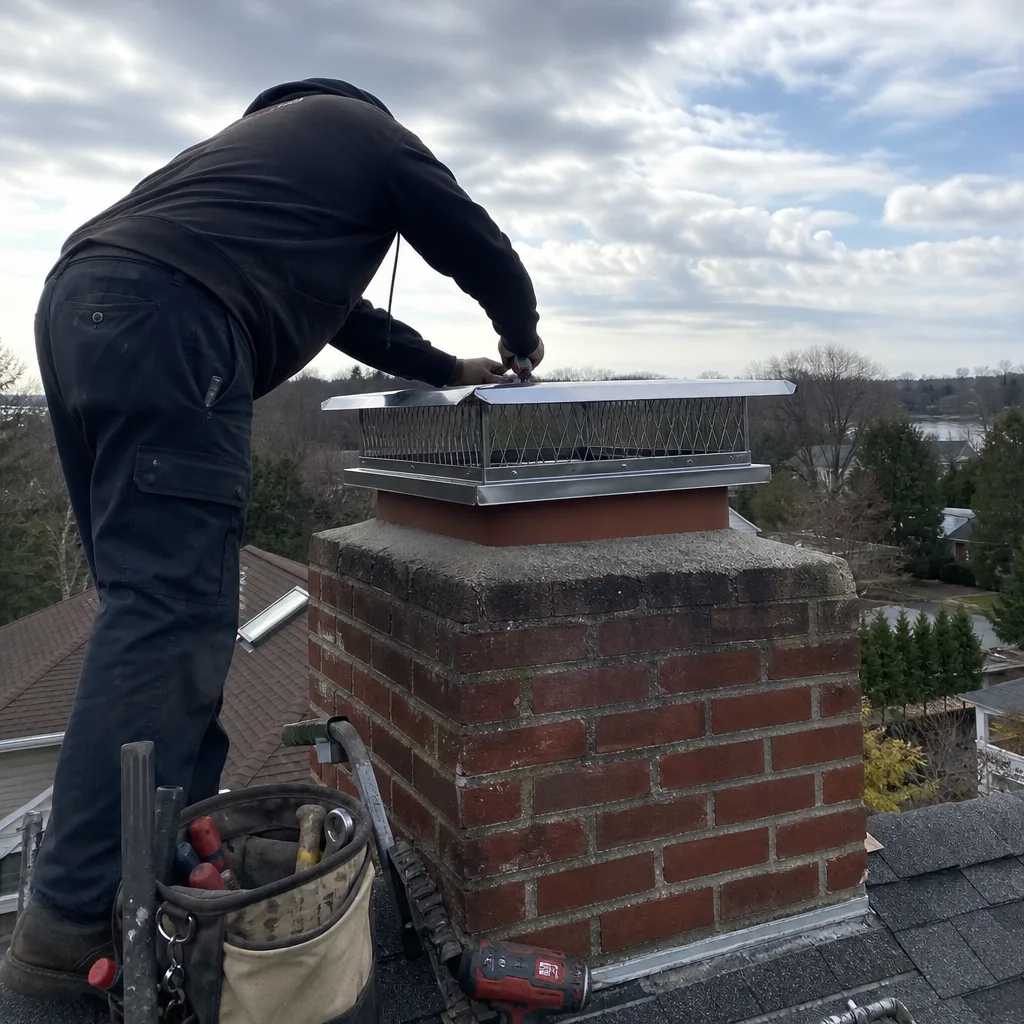 After
After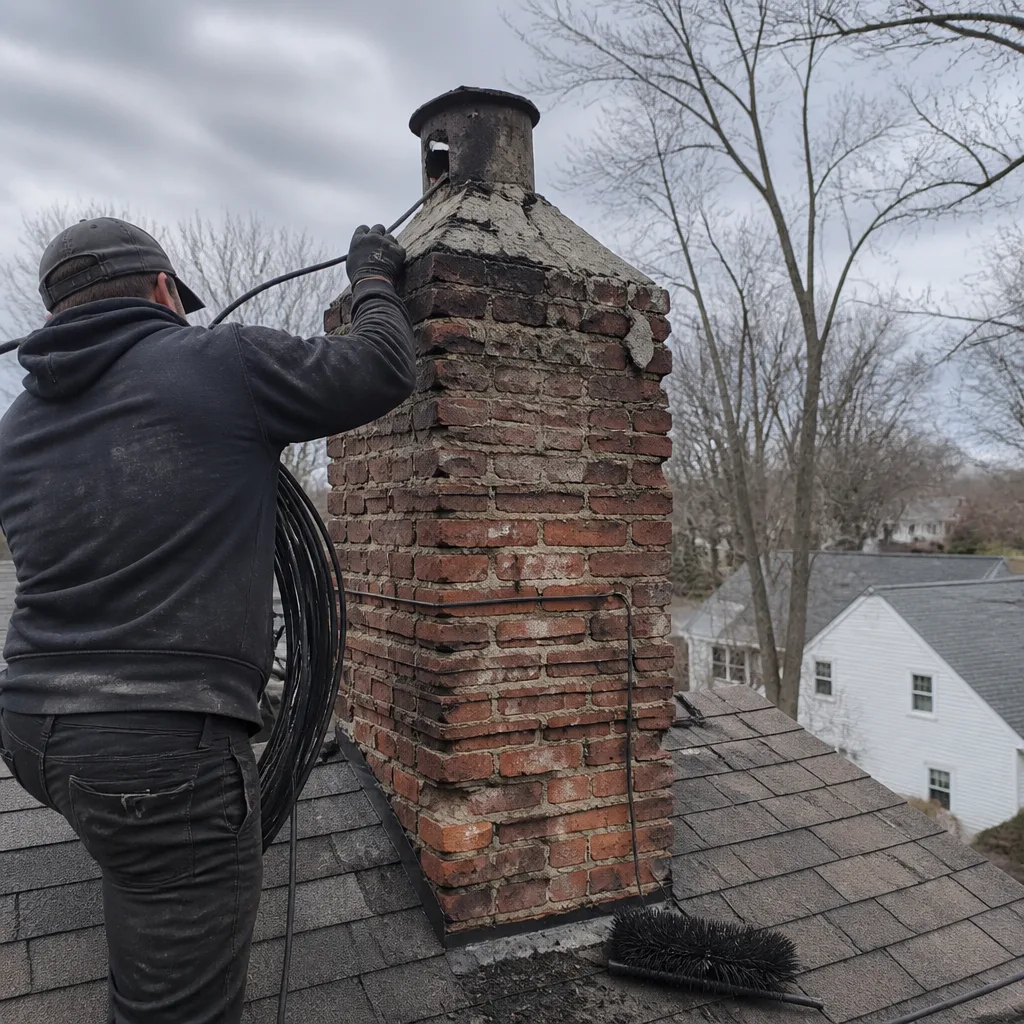 Before
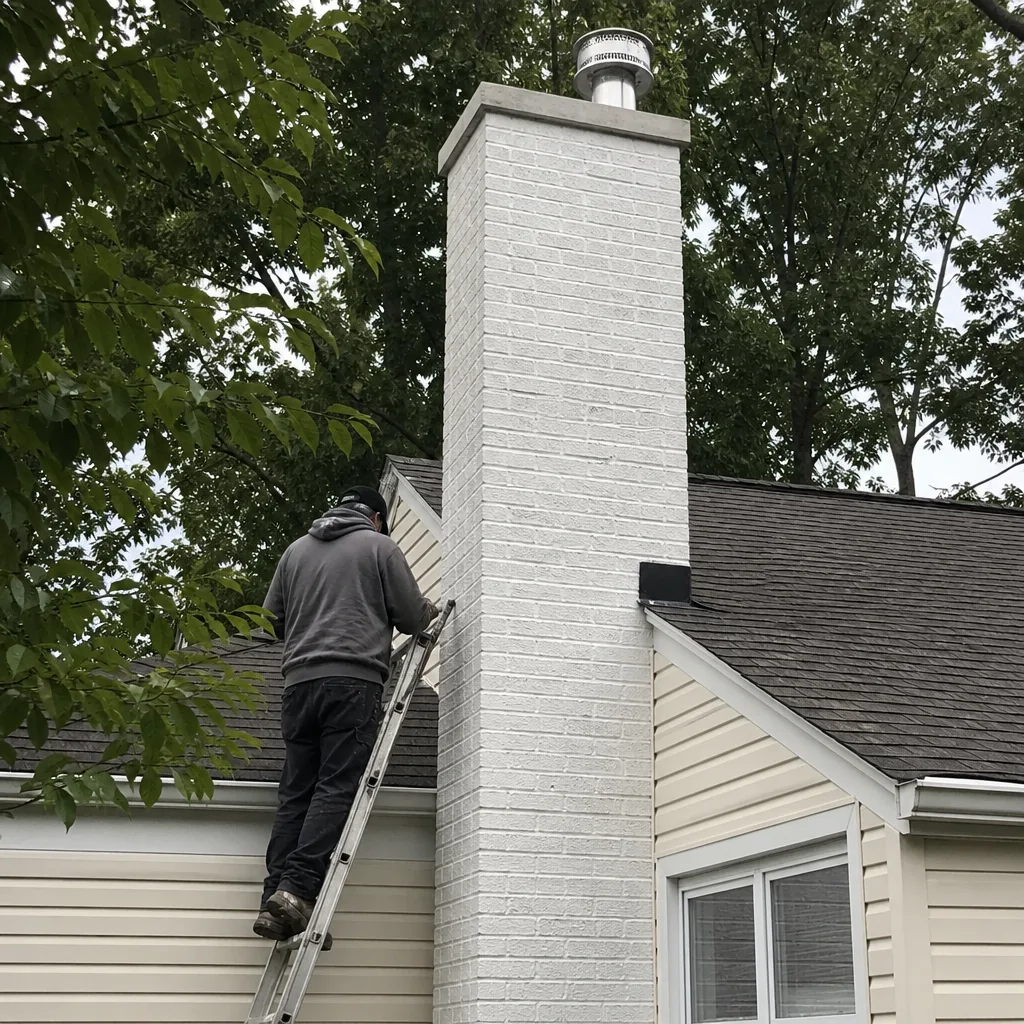 After
AfterThe Complete Guide to Chimney Cleaning in New Rochelle
A chimney can look fine from the street and smell fine from the hearth and still be one cold night away from a flue fire. In New Rochelle, where pre-war masonry homes on Pinebrook Boulevard sit shoulder-to-shoulder with renovated colonials in Wykagyl and newer gas inserts in the Residence Park historic district, the real danger is not that chimneys are neglected. It is that they are inspected poorly. Most homeowners we meet in Westchester County have never seen what a proper post-sweep report looks like, cannot name the three stages of creosote, and do not know that a “clean” chimney and a documented clean chimney are different things entirely. This guide shows you what the job involves, what it costs in the New Rochelle market, and what proof of good work looks like before the truck leaves your driveway, with more guides & resources available on our blog.
Quick Answer
Professional chimney cleaning in New Rochelle typically costs between $199 and $349 for a standard Level 1 sweep with inspection, depending on the flue type, accessibility, and whether creosote has progressed beyond Stage 1. The job takes 45 to 90 minutes for most single-flue systems, and a legitimate service ends with photos, a written condition report, and a clear verdict on whether the chimney is safe to use. In New Rochelle’s climate, with Long Island Sound humidity and stop-and-start shoulder seasons, annual sweeping is the baseline for wood-burning systems; gas and pellet systems can often go two years between cleanings if usage is moderate.
Table of Contents
- Why New Rochelle Chimneys Are Different
- What Happens During a Legitimate Chimney Cleaning
- The Three Stages of Creosote: What Builds Up in Your Flue
- Level 1 vs. Level 2 Inspections: What Gets Documented
- What a Post-Cleaning Report Should Show You
- Local Costs and What Drives the Price in New Rochelle
- How Weather and Seasons Affect Your Chimney
- Common Mistakes to Avoid
- When to Call a Professional
- Frequently Asked Questions
- The Bottom Line
Why New Rochelle Chimneys Are Different
New Rochelle is not a uniform housing market, and that matters for chimney work. Walk three blocks in the Wykagyl neighborhood and you might pass a 1920s Tudor with an original masonry fireplace, a 1950s ranch with a metal chimney chase added in the 1980s, and a renovated colonial with a direct-vent gas insert installed last year. Each of these systems has different cleaning requirements, different failure modes, and different documentation needs.
The pre-war masonry homes that define much of New Rochelle’s character, particularly in the Residence Park and Bonnie Crest areas, were built with coal or wood-burning fireplaces designed for a different era of fuel. Their flue liners, if they exist at all, are often unlined terra cotta that has survived a century of thermal cycling. In our experience, these chimneys require careful hand-brushing and camera verification after cleaning because the flue tiles may have hairline cracks that a standard sweep brush can worsen if the technician is rushing.
Meanwhile, the post-war construction in North End and the newer developments near New Roc City tend to have factory-built metal chimneys or chimney chases with aluminum or stainless steel caps. These systems are less prone to masonry decay but more vulnerable to corrosion from salt air coming off Long Island Sound, particularly within a mile of the water. We have replaced more rusted-out chase covers and deteriorated chimney caps in New Rochelle’s shore-adjacent neighborhoods than in inland Westchester communities because the salt-laden humidity accelerates metal fatigue.
The mixed housing stock also means that New Rochelle homeowners cannot assume their neighbor’s chimney maintenance schedule applies to them. A wood-burning fireplace in a 1910 colonial on Pinebrook Boulevard may need sweeping every cord of wood burned, while a gas insert in a 1990s split-level on North Avenue may need only periodic inspection and debris removal. The only reliable approach is system-specific assessment, documented with photos, by a technician who understands the difference. Our How to Hire a Chimney Cleaning Contractor in New Rochelle: A Step-by-Step Guide can help you find the right professional.
What Happens During a Legitimate Chimney Cleaning
A proper chimney sweep is not a man with a brush and a prayer. It is a structured process with defined steps, each of which produces evidence that the homeowner can review. Here is what you should expect when a trained technician arrives at your New Rochelle home.
- Pre-work inspection and protection. The technician lays drop cloths from the front door to the hearth, inspects the firebox and damper for visible damage, and notes any conditions that could affect the sweep. This is not the formal inspection; it is damage prevention and baseline documentation.
- Chimney sweep of the flue. Using rotary or hand brushes sized to the flue diameter, the technician scrubs the entire length of the flue from the firebox up (or from the roof down, depending on access and system type). For masonry flues, we use professional-grade brushes from Copperfield matched to the flue tile dimensions. For metal factory-built chimneys, we use softer poly brushes that clean without scoring the stainless steel liner.
- Debris and soot removal. A high-efficiency vacuum with HEPA filtration captures loosened material at the firebox. The technician does not simply brush debris loose; they remove it from your home entirely.
- Post-sweep camera inspection. This is where legitimate work separates from cut-rate service. A video camera is run the full length of the flue to verify that creosote has been removed and to document the condition of the liner, joints, and any offsets. In New Rochelle’s older homes, this step often reveals deteriorated mortar joints or spalled flue tiles that were invisible before cleaning.
- Condition report and homeowner review. The technician shows you the camera footage, explains what they found, and provides a written report with photos. There is no mystery, no “trust me,” no verbal-only verdict.
- Cleanup and departure. The work area is cleaned, drop cloths are removed, and the technician confirms that the damper operates correctly and the fireplace is ready for use or properly shut down for the season.
The entire process typically takes 45 to 90 minutes for a standard single-flue system. Multi-flue chimneys, particularly the large central stacks common in pre-war New Rochelle homes, may require two hours or more. Our chimney cleaning and sweep service in New Rochelle is priced upfront based on system type and accessibility, not clock time, so there is no incentive to rush or drag out the work.
The Three Stages of Creosote: What Builds Up in Your Flue
Creosote is not a single substance. It is a progressive buildup that changes character as conditions in the flue change, and understanding those stages is essential to understanding what cleaning can and cannot do.
Stage 1: Soot and flaky creosote. This is a light, dusty layer or flaky deposit that brushes off readily with standard sweeping equipment. It forms when wood burns hot and dry with adequate combustion air. Stage 1 creosote is normal, expected, and fully removable with a standard sweep. In New Rochelle, we see this most often in well-maintained systems where homeowners burn seasoned hardwood and keep the damper fully open during active fires.
Stage 2: Tar-like, puffy creosote. When wood burns cooler or damper, or when green or unseasoned fuel is used, creosote condenses as a sticky, tar-like deposit that puffs up when removed. This stage requires more aggressive cleaning methods, sometimes chemical treatment or rotary chains, and it is a warning sign that burning practices need correction. In our experience across Westchester County, Stage 2 is common in chimneys that see intermittent use, particularly in the shoulder seasons when homeowners build small, smoldering fires rather than hot, active ones.
Stage 3: Hardened, glazed creosote. This is a dense, shiny, rock-hard layer that standard brushing cannot remove. It forms from sustained low-temperature burning and represents a significant fire hazard because it can ignite at lower temperatures and burn intensely. Stage 3 creosote requires specialized chemical treatment, often over multiple heating cycles, and in severe cases may necessitate liner replacement. We have encountered Stage 3 in New Rochelle chimneys where homeowners used their fireplaces as occasional “ambiance” fires, building small, damped-down blazes that smoldered for hours without ever reaching proper combustion temperatures.
The critical point: a standard sweep removes Stage 1 completely and may address early Stage 2, but it cannot remove Stage 3. Any service that claims otherwise is not being straight with you. When we encounter Stage 2 or 3 in a New Rochelle chimney, we document it with camera evidence, explain the condition plainly, and recommend the appropriate remediation. No work proceeds without the homeowner seeing what we see.
Level 1 vs. Level 2 Inspections: What Gets Documented
The National Fire Protection Association (NFPA) defines three levels of chimney inspection, but for routine cleaning and maintenance, only Levels 1 and 2 are relevant. Knowing the difference protects you from paying for inadequate work or being sold unnecessary scope.
Level 1 Inspection is the baseline for annual maintenance when no changes have been made to the system and no problems are suspected. It includes examination of readily accessible portions of the chimney exterior, interior, and connecting appliances, with verification that the chimney is free of obstruction and combustible deposits. A Level 1 does not require specialized tools or camera equipment, though we include camera documentation as standard practice because photos are the only proof that matters.
Level 2 Inspection is required when any of the following apply: the system has been changed (new liner, new appliance, new fuel type); there has been a chimney fire, earthquake, or other event that may have caused damage; the property is being sold; or a Level 1 inspection reveals a hazard that cannot be fully evaluated without additional access. Level 2 includes everything in Level 1 plus inspection of accessible attics, crawl spaces, and basements, and it requires video scanning of the flue interior.
In New Rochelle’s real estate market, Level 2 inspections are common during home sales, particularly for pre-war homes where buyers and their insurers want documented evidence of flue condition. We have performed Level 2 inspections for properties from Wykagyl to Davenport Neck, and the camera footage often reveals conditions that a visual-only inspection would miss: displaced flue tiles, mortar erosion at joints, or evidence of previous chimney fires that the current owner never knew occurred.
The chain-service “cleaning” that many New Rochelle homeowners have experienced before calling us typically skips formal inspection entirely. A brush is run, soot is vacuumed, and a verbal “looks good” is offered. That is not a Level 1 inspection. It is not documented, not defensible, and not sufficient for insurance or resale purposes. Our fireplace services in New Rochelle include proper inspection documentation as standard, because a sweep without inspection is guesswork dressed up as maintenance.
What a Post-Cleaning Report Should Show You
After the technician leaves, you should have physical or digital documentation that you can reference, share with your insurance company, or provide to a future buyer. Here is what a legitimate report includes.
- Date, address, and technician identification. The report identifies who performed the work, when, and where. This is basic accountability that many services skip.
- System specifications. Fuel type, appliance manufacturer and model if visible, flue dimensions, liner material and condition, and chimney construction type.
- Pre-cleaning condition photos. Images of the firebox, damper, and flue interior before work begins. These establish baseline conditions and protect both parties if damage is later alleged.
- Post-cleaning verification photos. Clear images showing the flue interior after sweeping, demonstrating that deposits have been removed and the liner is visible for condition assessment.
- Written condition verdict. A plain-English statement of whether the chimney is safe to use, needs monitoring, or requires repair before next use. Not “seems fine.” A verdict.
- Recommended actions with priority levels. If repairs or follow-up are needed, they are listed with clear prioritization: immediate safety concern, recommended within the heating season, or monitor and re-evaluate at next annual inspection.
- Documentation of any limitations. If access prevented full inspection of some component, it is noted. If weather or structural conditions affected the assessment, it is recorded.
At Hearthstone Chimney Co., every sweep ends with this documentation, stored in our system and provided to the homeowner. We have had New Rochelle customers call us five years after a sweep asking for their report to support an insurance claim or home sale. We pull it up and send it. That is what “done right” means: the work is documented like an engineer and explained like a craftsman, and it remains accessible when you need it.
Local Costs and What Drives the Price in New Rochelle
Chimney cleaning prices in New Rochelle reflect the same factors that affect any skilled trade in Westchester County: labor costs, accessibility challenges, and the condition of the system being serviced. Here is what you should expect to pay for legitimate work.
| Service | Typical Range in New Rochelle | What Affects the Price |
|---|---|---|
| Standard Level 1 sweep with inspection (gas or pellet) | $199 - $279 | Single flue, ground-level access, Stage 1 or minimal deposits |
| Standard Level 1 sweep with inspection (wood-burning) | $249 - $349 | Heavier deposits, possible Stage 2, more brush time and debris |
| Level 2 inspection with video scanning | $299 - $449 | Real estate transaction, post-event assessment, or Level 1 finding |
| Stage 2 creosote removal (chemical or rotary treatment) | $150 - $300 additional | Deposit severity, number of treatment cycles required |
| Multi-flue chimney (each additional flue) | $100 - $175 | Shared structure, separate appliances, additional sweep time |
Several local factors push prices toward the higher end of these ranges. New Rochelle’s older homes often have steep-pitched roofs that require additional safety equipment and time for roof access. The dense tree canopy in neighborhoods like Bonnie Crest and Wykagyl means more leaf and debris intrusion into chimneys without proper caps, adding cleaning time. And the prevalence of pre-war masonry with unlined or partially lined flues means technicians must work more carefully to avoid damaging fragile terra cotta.
What should raise your suspicion is not a price at the higher end of this range. It is a price at the bottom, particularly from services that advertise “$99 sweeps” or similar. In our 42 years of operation, we have learned that a legitimate sweep with proper documentation cannot be performed at those prices without cutting inspection, skipping camera verification, or rushing the work. The number on our estimate is the number on our invoice. No surprises, no upsells discovered halfway through the job.
Hearthstone Chimney Co. offers a permanent 5% Senior and Veteran discount, a $89 Seasonal Tune-Up for qualifying systems, and $50 off any repair over $250. We also provide free second opinions on any written estimate from another company. Call (516) 927-2678 for an exact quote on your specific system.
How Weather and Seasons Affect Your Chimney
New Rochelle’s location on Long Island Sound creates distinct conditions that affect chimney performance and maintenance needs. Understanding these local factors helps explain why your chimney may behave differently than a relative’s in inland Westchester or northern Connecticut.
Humidity and salt air. The marine influence keeps relative humidity higher year-round than in areas farther from the water, particularly within a mile of the shore in neighborhoods like Davenport Neck and Premium Point. This moisture accelerates deterioration of masonry joints and metal components. We see more spalling brick and deteriorated mortar in shore-adjacent New Rochelle chimneys than in comparable-age homes in White Plains or Scarsdale. Metal chimney caps, chase covers, and flashing also corrode faster when salt-laden air is present. Our repair work in these areas uses marine-grade materials from Famco and Copperfield specifically selected for corrosion resistance.
Stop-and-start shoulder seasons. New Rochelle has extended spring and fall periods where temperatures fluctuate between fireplace weather and not. These shoulder seasons encourage the exact burning pattern that produces Stage 2 and Stage 3 creosote: small, intermittent fires built for ambiance rather than heat, damped down to smolder longer. The flue never reaches sustained high temperatures, so combustion byproducts condense rather than exhausting cleanly. In our experience, chimneys swept in May often show heavier deposits than those swept in March, because the shoulder-season burning pattern has been active for weeks.
Freeze-thaw cycling. Winter temperatures in New Rochelle regularly oscillate above and below freezing, particularly during January thaws. Water that has penetrated masonry expands when it freezes, stressing mortar joints and flue tiles. This is why we emphasize crown and cap integrity so heavily in our inspections. A sound crown sheds water; a cracked crown funnels it into the structure. The freeze-thaw damage we document in spring inspections is almost always traceable to water entry points that were visible, and addressable, the previous fall.
Wind exposure. The same shore exposure that moderates temperatures also creates higher average wind speeds, particularly for chimneys on elevated or exposed sites. This can cause down-drafting in poorly designed or obstructed systems, pushing smoke and combustion gases back into the home. It also accelerates wear on external components like caps and chase covers. We have replaced wind-damaged caps on New Rochelle homes that faced Long Island Sound directly, where gusts exceeded the design limits of standard builder-grade products.
Common Mistakes to Avoid
- Hiring based on price alone. The $99 sweep is a loss leader that recovers its margin through rushed work, skipped inspection, or discovered “problems” that require immediate expensive repair. In New Rochelle’s market, legitimate work with documentation costs what it costs. A square deal has no surprises on the bill.
- Assuming gas fireplaces need no maintenance. Gas systems do not produce creosote, but they accumulate debris, suffer corrosion, and develop venting problems. We have found bird nests, deteriorated vent connectors, and cracked firebox panels in gas fireplaces that had not been inspected for years because the owner assumed “gas is clean.”
- Burning unseasoned or softwood. In New Rochelle, where many homeowners buy firewood by the face cord from local suppliers, moisture content varies widely. Wood that hisses and steams in the firebox produces heavy creosote. Seasoned hardwood, split and stacked for at least six months, burns cleaner and reduces sweep frequency.
- Ignoring the chimney cap. A missing or damaged cap is an open invitation for rain, leaves, and animal intrusion. We have extracted squirrel nests, raccoon bedding, and impressive quantities of oak leaves from uncapped chimneys in the Wykagyl and Residence Park neighborhoods. The cap is the cheapest protection you can buy.
- Skipping inspection after a chimney fire. Even a small, self-extinguished flue fire can crack flue tiles or damage mortar joints. The chimney may look and function normally afterward while hiding structural damage that creates future fire or carbon monoxide hazards. A Level 2 inspection is mandatory after any suspected fire event.
- Waiting for visible problems. By the time you see staining on the ceiling, smell smoke in an upstairs room, or notice pieces of tile in the firebox, damage is already advanced. Annual inspection catches conditions before they become expensive emergencies.
- Accepting verbal-only reports. If a technician cannot show you photos and provide a written document, you have no proof of what was found, what was done, or what was recommended. This matters for insurance, resale, and your own peace of mind. Photos you can see, a plain-English verdict.
When to Call a Professional
Call for service before the heating season begins, ideally in late summer or early fall, when schedules are more flexible and you have time to address any findings before cold weather arrives. Call immediately if you notice any of the following: smoke entering the room during normal operation, a strong odor of creosote or burning when the fireplace is not in use, visible cracks in the firebox or flue tiles, pieces of masonry debris in the firebox, or any evidence of animal intrusion. After any chimney fire, suspected or confirmed, schedule a Level 2 inspection before using the system again.
Hearthstone Chimney Co. offers free estimates in New Rochelle. A live person answers our phones 24 hours a day, 7 days a week, and our background-checked, uniformed technicians complete most jobs in a single visit. Call (516) 927-2678 to schedule or to discuss what your specific system needs.
Frequently Asked Questions
A standard Level 1 chimney sweep with inspection in New Rochelle typically runs $199 to $349, depending on fuel type, flue condition, and accessibility. Wood-burning systems with heavier creosote fall toward the higher end; gas and pellet systems toward the lower. Multi-flue chimneys, steep roofs, and Stage 2 or 3 creosote removal add to the base price. Call (516) 927-2678 for an exact quote on your system. Estimates are free.
Wood-burning fireplaces and stoves should be inspected annually and swept as needed, typically every cord of wood burned or at minimum once per heating season. In New Rochelle’s climate, with humid summers that can accelerate mortar deterioration and shoulder-season burning patterns that produce heavier creosote, annual inspection is the prudent baseline. See our Seasonal Chimney Cleaning Care for New Rochelle: Year-Round Homeowner’s Guide for a full maintenance calendar. Gas and pellet systems can often go two years between inspections if usage is moderate and no problems are suspected. The NFPA 211 standard recommends annual inspection for all chimney systems regardless of fuel type.
You need a liner that is intact, appropriately sized for your appliance, and listed for your fuel type. An unlined or deteriorated terra cotta flue in a pre-war New Rochelle home may have functioned for decades, but that does not mean it is safe. Cracked flue tiles, missing mortar joints, or gaps between tiles allow heat and combustion gases to reach combustible framing, creating fire and carbon monoxide hazards. We document liner condition with camera evidence you can see, explain the specific deficiency in plain English, and recommend replacement only when the hazard is verified. Some conditions can be monitored; others require immediate action. Nothing is sold without proof you can examine yourself.
Skipped maintenance allows creosote to accumulate, progressing from Stage 1 through Stage 2 to Stage 3. At Stage 3, the risk of flue fire increases dramatically, and the hardened deposits may require chemical treatment or liner replacement rather than simple sweeping. Meanwhile, undetected cracks, blockages, or venting problems can allow carbon monoxide into living spaces or structural fire to spread through gaps in the chimney envelope. The cost of prevention is modest. The cost of remediation after a fire or CO incident is not. Call (516) 927-2678 to schedule before the season turns.
Basic brush-and-rod cleaning of a straightforward, accessible system is within the capability of some homeowners, but it is not something we recommend for most New Rochelle properties, as explained in our DIY vs Professional Chimney Cleaning: The New Rochelle Homeowner’s Decision Guide. The pre-war masonry that dominates much of our market has fragile flue tiles that require careful technique to avoid damage. More importantly, cleaning without camera inspection means you cannot verify that deposits are fully removed or that the flue is sound. The real value of professional service is not the brushing; it is the documented assessment that follows. For safety-critical components like this, a trained professional with proper equipment provides accountability that DIY cannot match.
A sweep is the physical removal of combustible deposits and obstructions from the flue. An inspection is the systematic evaluation of the chimney structure, liner, and connections for soundness, clearance, and proper function. They are related but distinct. A sweep may include a basic visual check, but a full inspection requires specific protocols and documentation. At Hearthstone Chimney Co., we do not perform sweeps without inspection, because cleaning a damaged chimney without knowing it is damaged serves no one. Our Level 2 camera inspections end with photos you can see and a plain-English verdict on system condition.
Summer chimney odor in New Rochelle is usually a combination of humidity and creosote. Long Island Sound humidity enters the flue, reacts with residual creosote deposits, and produces a sharp, acrid smell that penetrates living spaces when the house is closed and air-conditioned. A thorough sweep removes the creosote source, and a proper cap reduces moisture entry. If odor persists after cleaning, it may indicate a drafting problem or negative air pressure in the home that requires further investigation.
The Bottom Line
A clean chimney in New Rochelle is not a matter of appearance or tradition. It is a documented, verifiable condition that protects your home from fire and your family from carbon monoxide. The distinct housing stock, marine climate, and burning patterns of this city create specific maintenance needs that generic advice does not address. Insist on camera inspection, written reports with photos, and plain-English verdicts. Question services that cannot or will not provide documentation. And schedule maintenance before the heating season, when technicians have time to do the work correctly and you have time to address any findings. Done right, and we stand behind it. That is the only standard that matters.
Written by Russell Haines, Owner at Hearthstone Chimney Co., serving New Rochelle since 2014.