
Last updated September 10, 2026
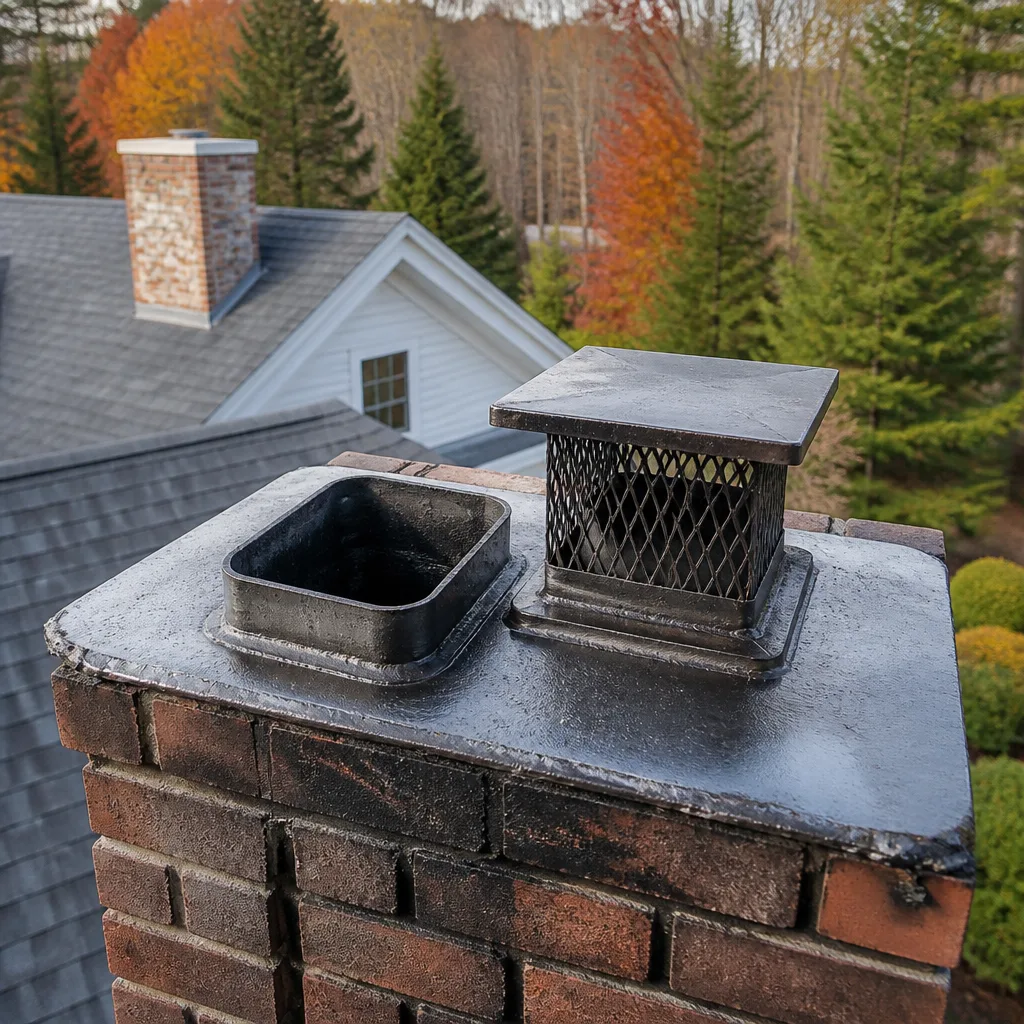
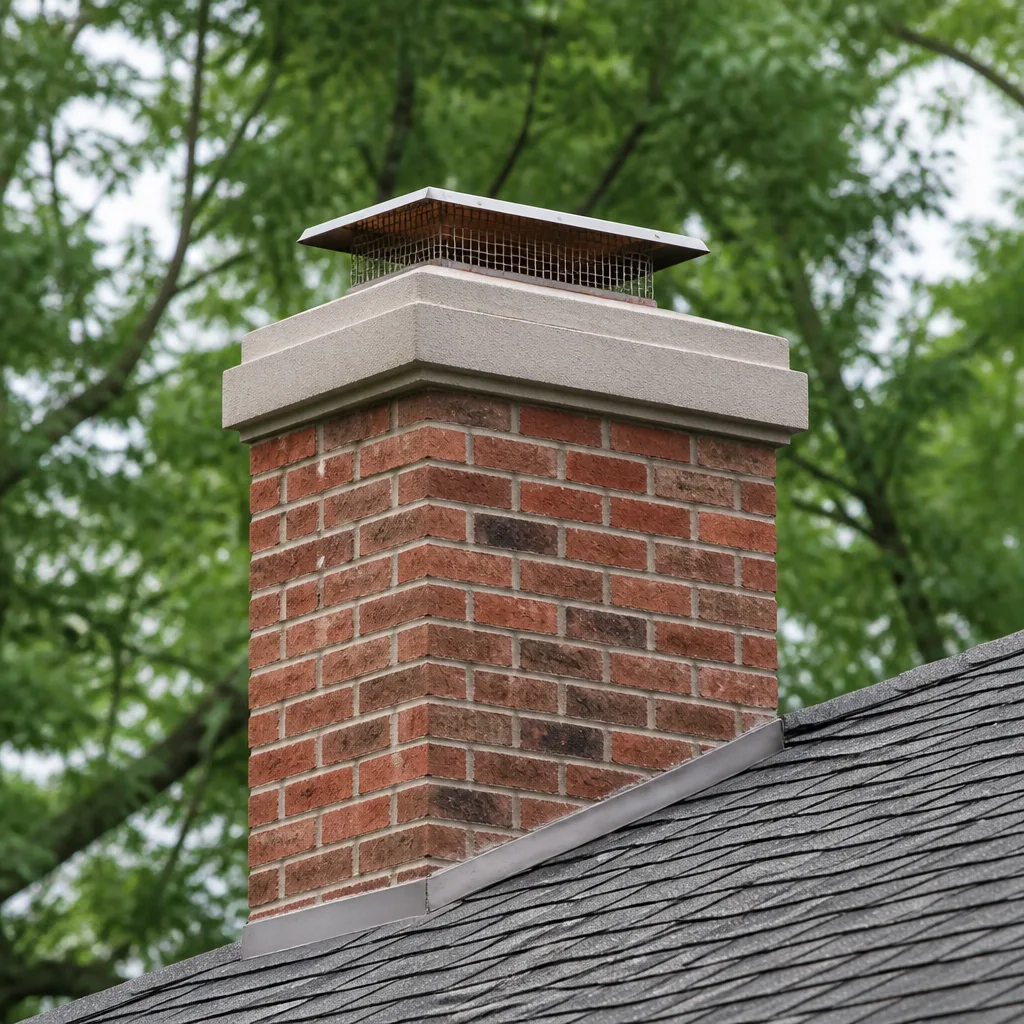
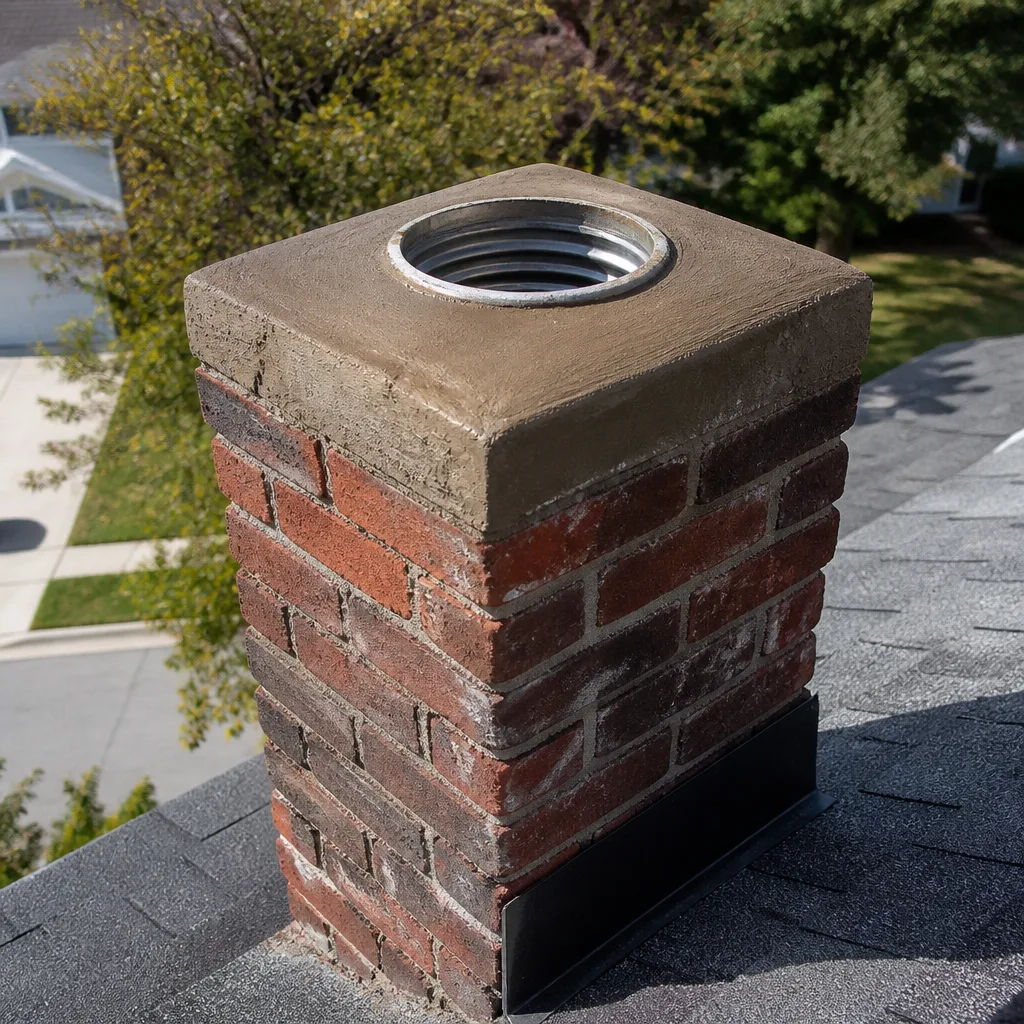
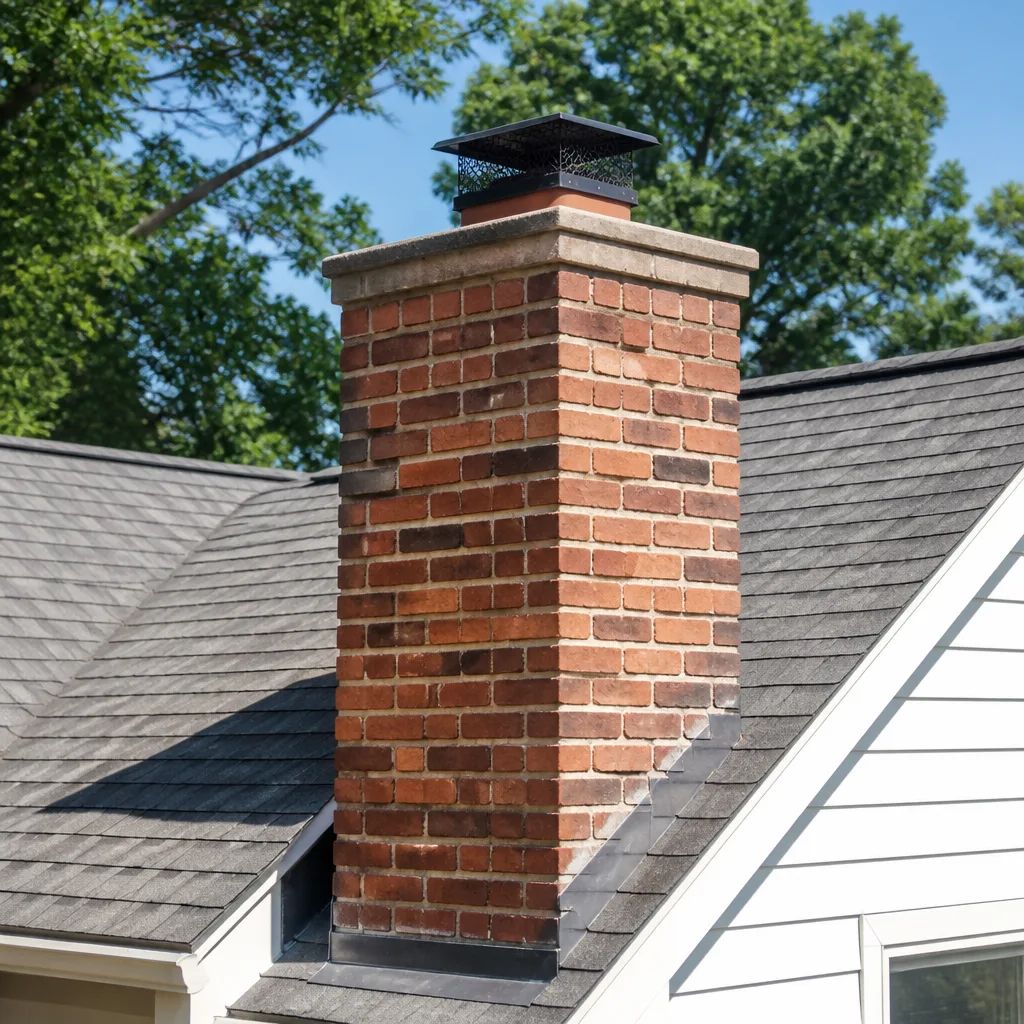
Level 1 sweep and inspection to the NFPA 211 annual standard - flue, crown, cap, and flashing checked and photographed
Chimney sweep logs do not sweep chimneys. They loosen some creosote - which then falls where a brush and vacuum still have to collect it.
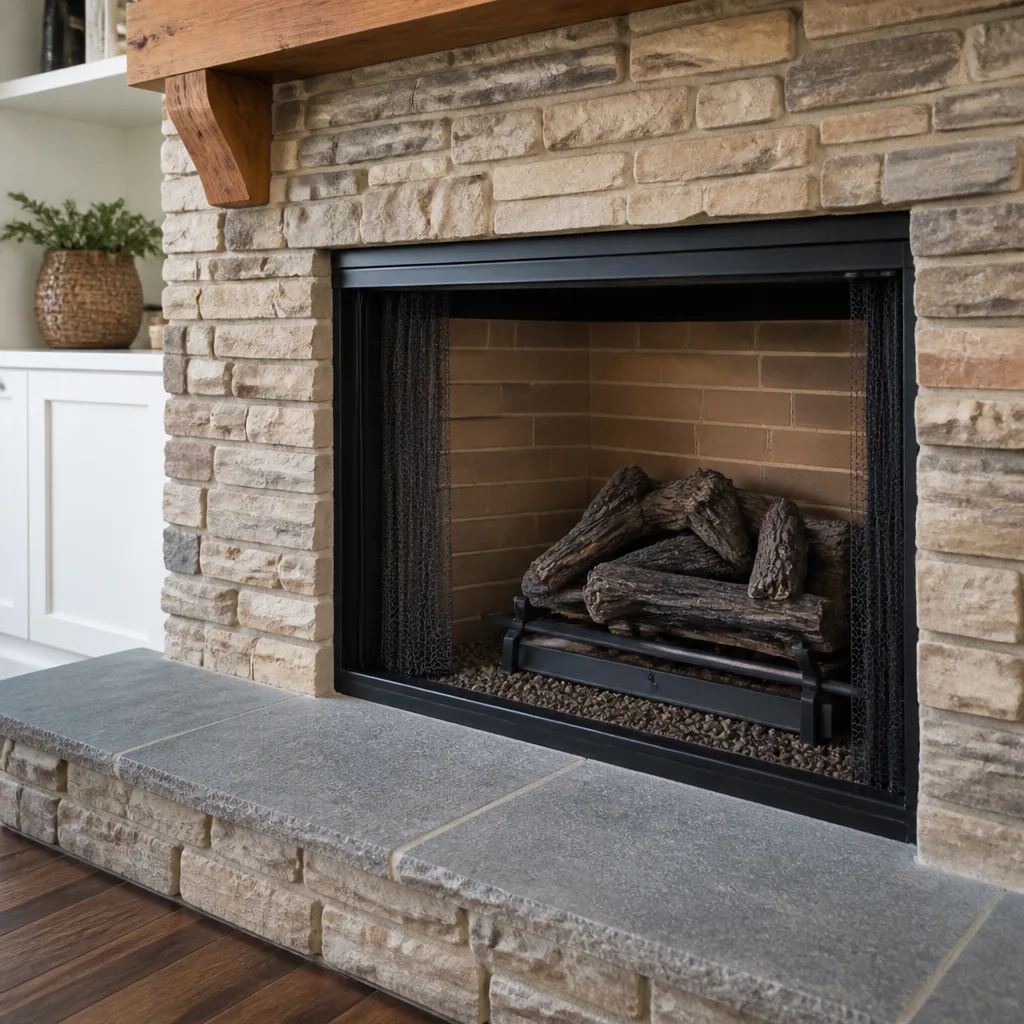
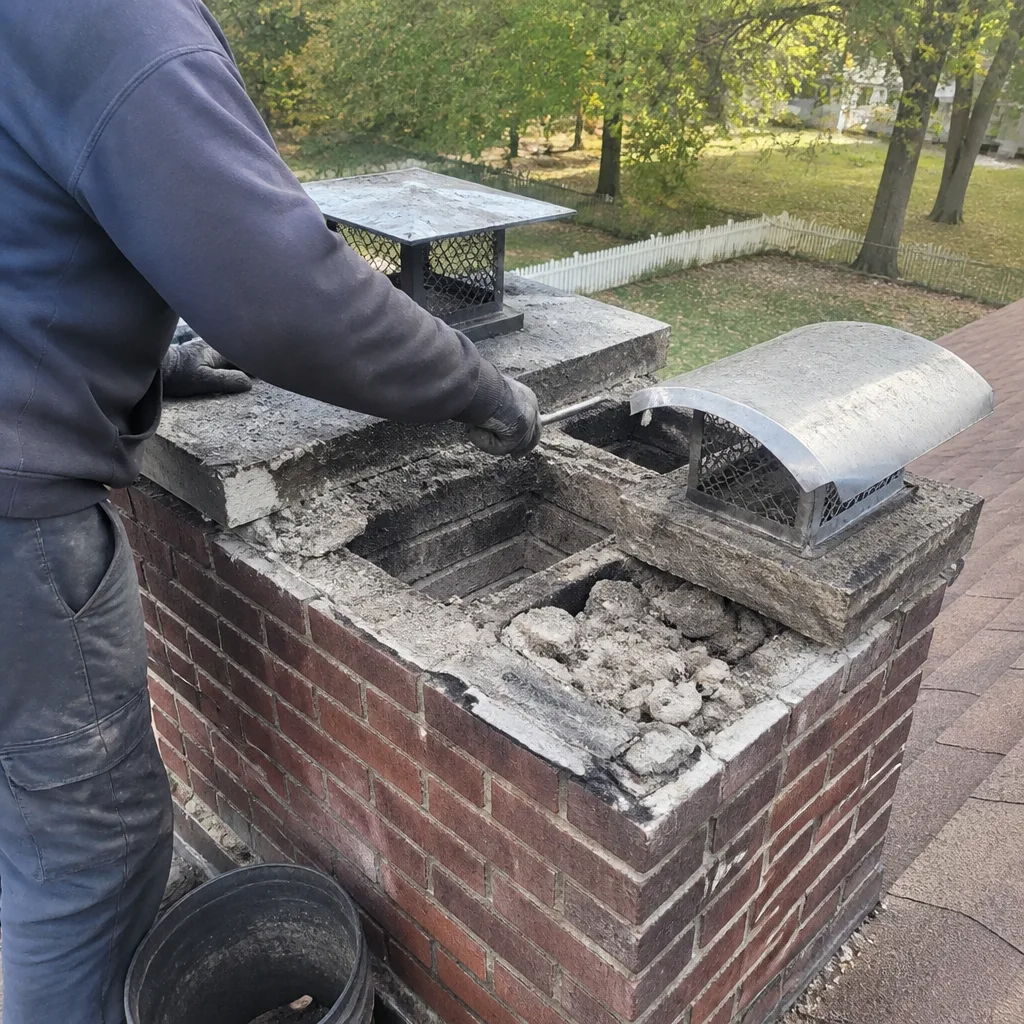 Before
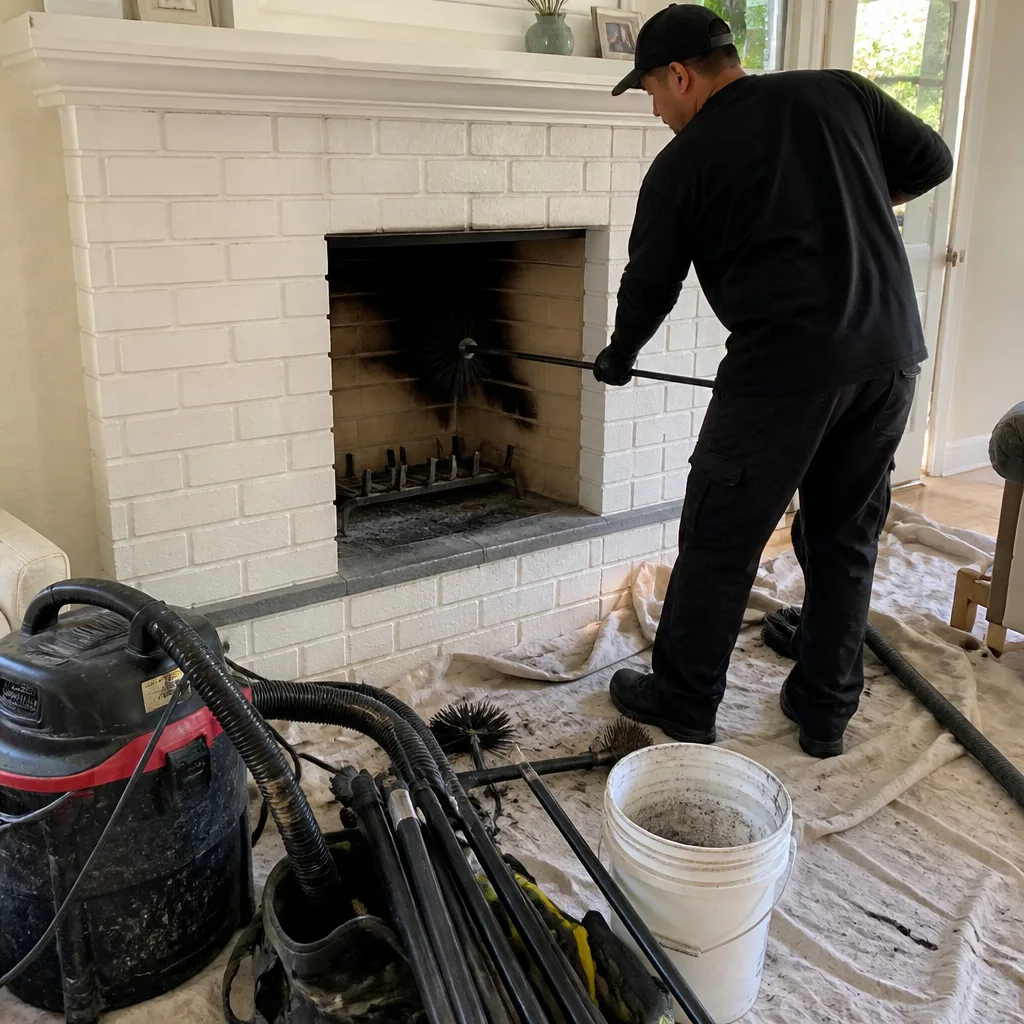 After
After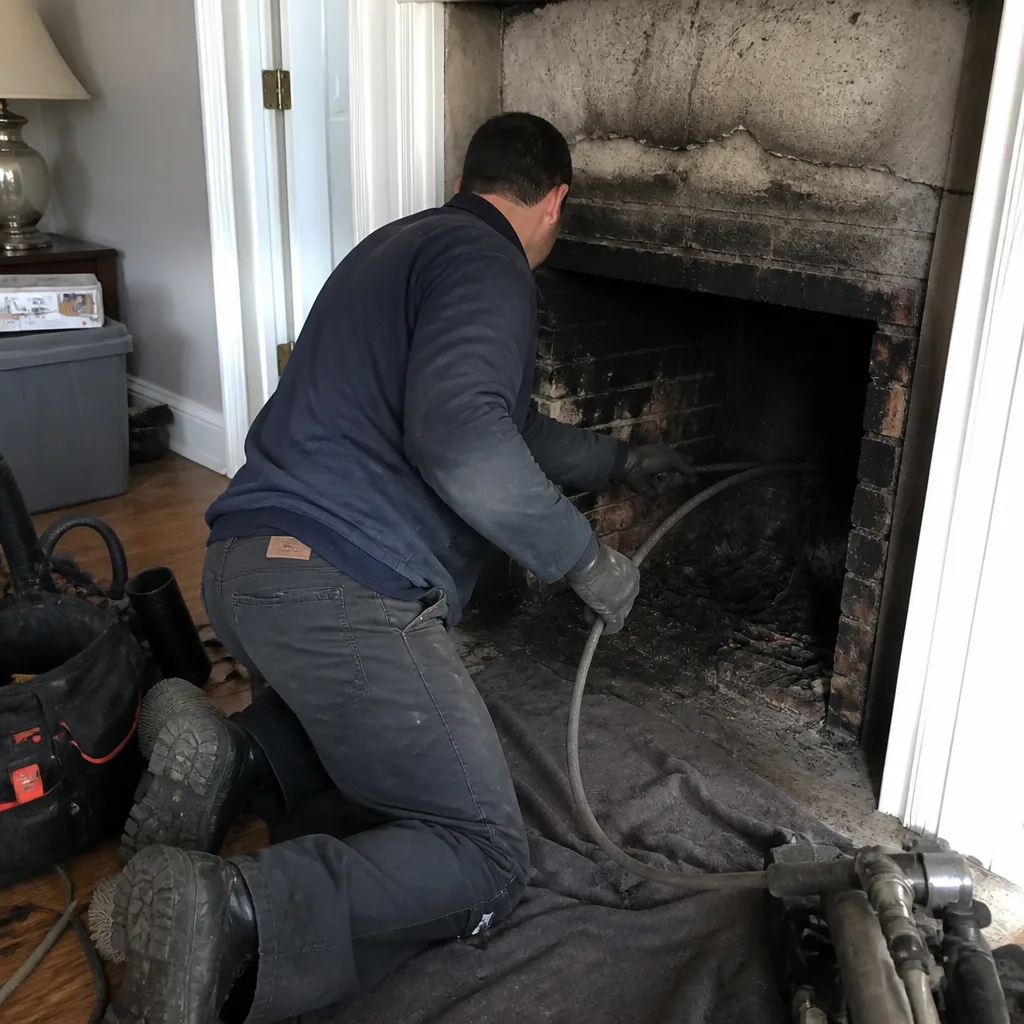 Before
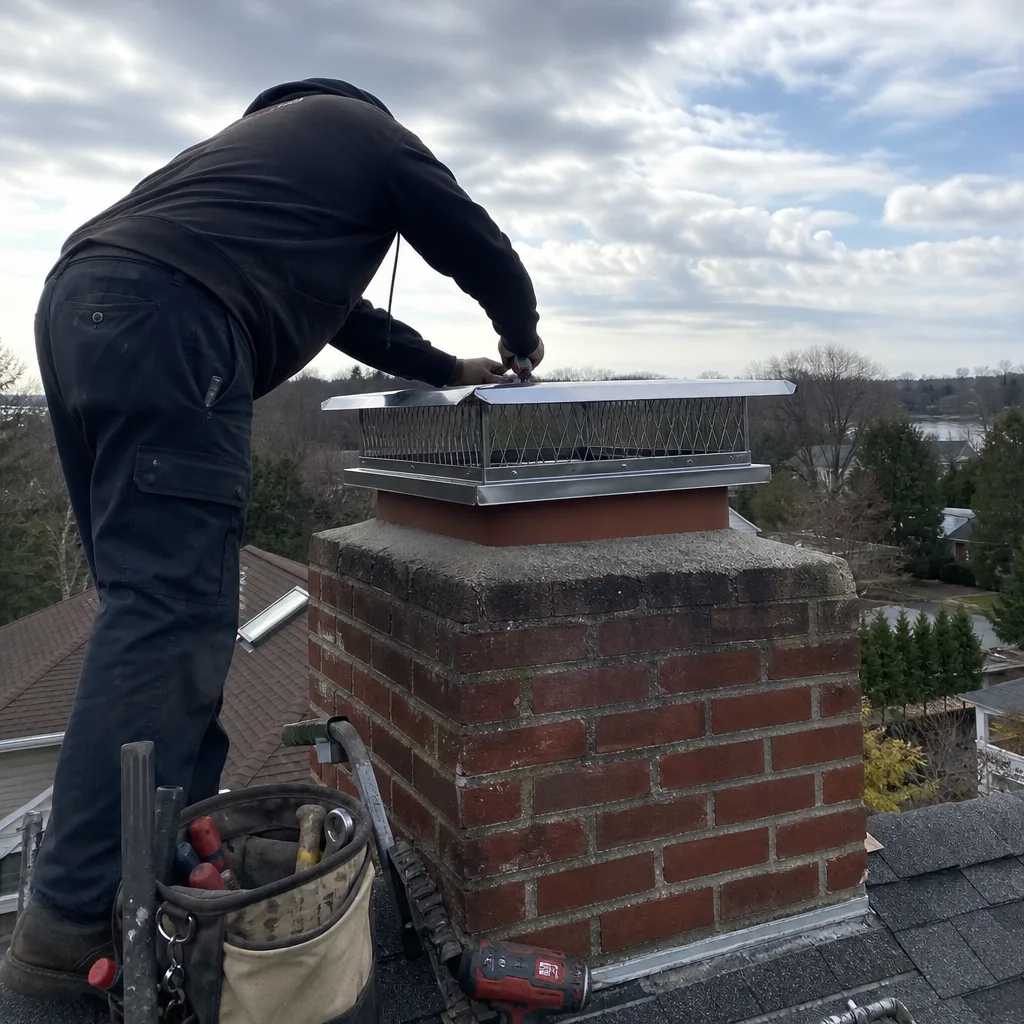 After
After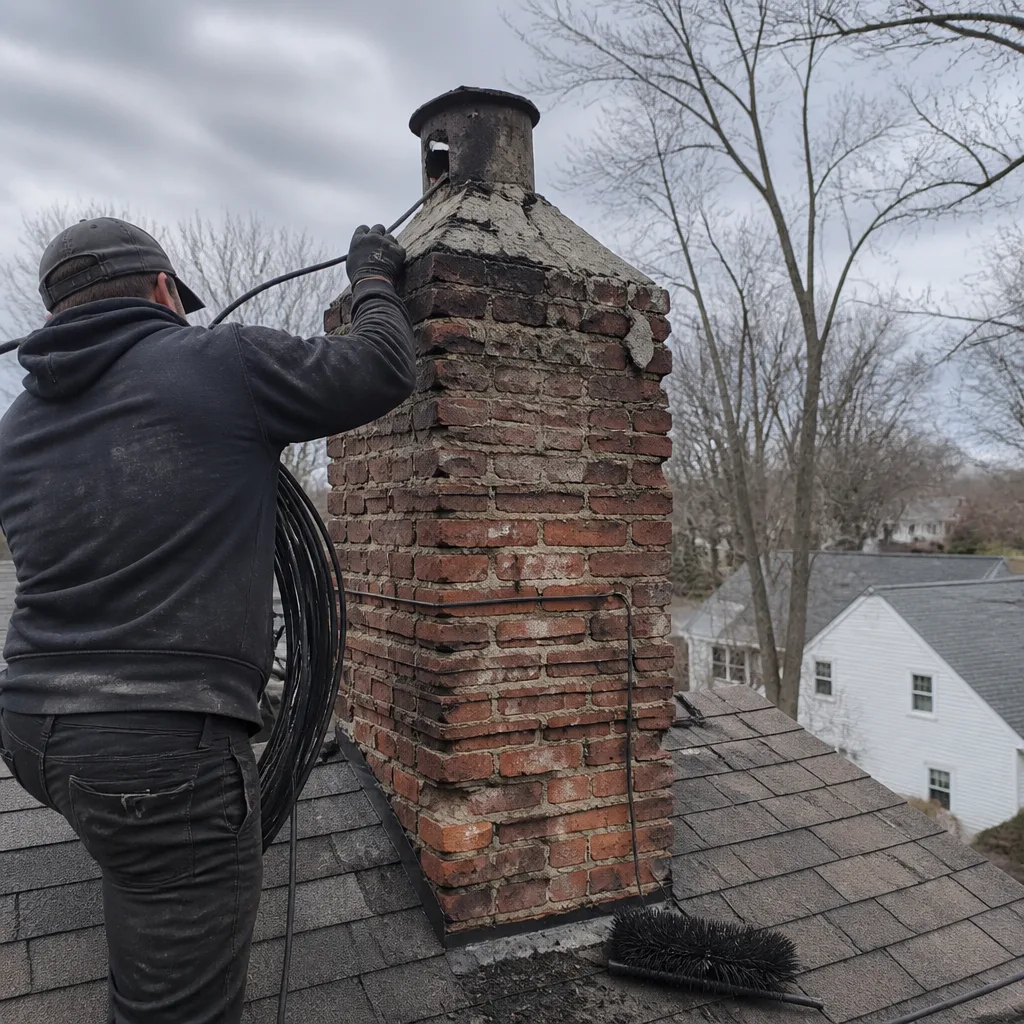 Before
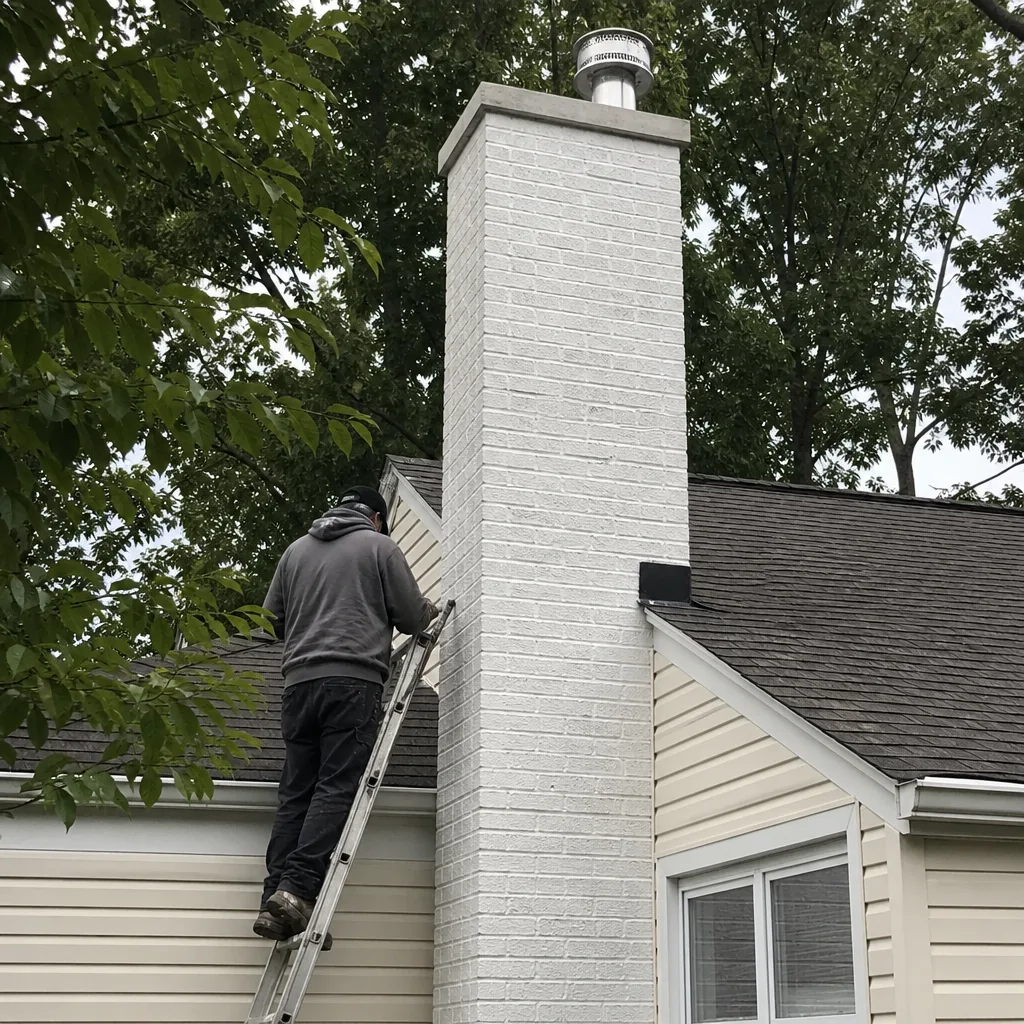 After
AfterChimney Cleaning Warning Signs: A New Rochelle Homeowner’s Reference Guide
A campfire smell in your living room on a windy January afternoon isn’t your fireplace being charming. It’s a draft problem pushing combustion gases back into your home, and carbon monoxide is part of that mix. In New Rochelle, where tight colonials and pre-war brick homes line streets from Wykagyl to Bonnie Crest, we’ve spent 42 years watching homeowners dismiss these signals as “normal fireplace behavior” - until a blocked flue, cracked liner, or hidden chimney fire turns a heating season into an emergency. This guide - along with our Complete Guide to Chimney Cleaning in New Rochelle - names the specific sounds, smells, and visual cues that mean stop lighting fires and call a sweep now, not next fall.
Quick Answer
The warning signs that demand immediate chimney attention in New Rochelle homes include: a persistent smoky or chemical odor when the fireplace is not in use; visible white or green staining on exterior brick; a damper that won’t fully seal; and any popping or cracking sound louder than normal thermal expansion. If you notice these, discontinue use and schedule a Level-2 camera inspection before lighting another fire.
Table of Contents
- Sounds That Mean Damage, Not Settling
- Three Smells That Should Stop a Fire Immediately
- Visual Warning Signs Inside and Outside Your Chimney
- Testing Your Damper Seal - And What Failure Costs You
- Signs of a Past Chimney Fire the Previous Owner May Not Have Disclosed
- Why White Staining on Exterior Brick Is Never Cosmetic
- Common Mistakes to Avoid
- When to Call a Professional
- Frequently Asked Questions
Sounds That Mean Damage, Not Settling
Every chimney makes noise. Brick and mortar expand with heat and contract in cold, especially during New Rochelle’s freeze-thaw cycles where January nights drop into the teens and afternoon sun warms south-facing brick to forty degrees. That low, rhythmic tick-tick-tick as your chimney cools after a fire? Normal. The occasional metallic ping from a steel firebox settling? Also normal.
The sound that should empty your living room is a sharp, irregular crack or pop - like a misfiring cap gun, not a steady rhythm. This indicates a flue tile has cracked or spalled, and pieces are shifting with heat expansion. A damaged flue tile cannot contain the 2000-degree temperatures of a chimney fire or the steady exhaust of a normal burn. Gases and sparks escape through the crack into the chimney’s surrounding structure, where framing, insulation, or nearby lath-and-plaster walls provide fuel.
In our experience inspecting homes near New Rochelle’s shoreline - where salt air accelerates mortar deterioration - we find cracked flue tiles in roughly one of every four chimneys over thirty years old. The damage often starts at the smoke shelf, where acidic condensation and creosote accumulation attack the clay. Homeowners frequently tell us, “It’s always made that noise,” not realizing the sound has changed in pitch or frequency.
Here’s how to distinguish normal from dangerous:
- Timing: Normal settling sounds occur during heating and cooling cycles, within two hours of a fire. Cracking sounds happen during active burning.
- Pattern: Normal sounds are repetitive and predictable. Damaged flue tiles produce irregular, sharp reports with no consistent interval.
- Location: Normal expansion noise seems to come from the chimney mass generally. Tile cracks often localize to one side of the firebox or a specific height in the flue.
- Accompaniment: Dangerous sounds may pair with visible debris - small flakes of clay tile or mortar in the firebox after a burn.
If you hear the irregular crack, stop the fire. Do not attempt to “burn through” the problem. A Level-2 camera inspection with photo documentation will reveal whether the flue can be repaired with a HeatShield cerfractory sealant application or requires a full stainless steel liner from DuraFlex. Either way, you need to see the damage before deciding, not after.
Three Smells That Should Stop a Fire Immediately
Your nose is your fastest warning system. In New Rochelle’s older homes, where HVAC systems create negative pressure and kitchen range hoods compete for household air, combustion byproducts don’t always rise the way physics intends. Three specific odors demand immediate cessation of burning and professional evaluation.
Creosote reactivation. A sharp, acrid, tar-like smell - like asphalt heating in summer sun - indicates accumulated creosote has begun to off-gas at temperatures below ignition. This happens when a partially-blocked flue forces slow, cool exhaust that condenses more creosote than it carries away. The smell intensifies on humid days or when the fireplace has been unused for weeks. It means your next hot fire could ignite that deposit. Creosote ignites at approximately 451 degrees Fahrenheit, and once burning, reaches temperatures that crack flue tiles and damage surrounding structure within minutes.
Animal intrusion decomposition. A sweet, foul, unmistakably organic odor means something has died in your flue. Squirrels, raccoons, and birds enter uncapped chimneys throughout New Rochelle’s tree-canopied neighborhoods, from Ward Acres to the Wykagyl Country Club area. A trapped animal dies, and decomposition produces methane, bacteria, and odor that permeates the home when the damper is open. More critically, the nest materials - twigs, leaves, fur - remain as highly combustible fuel even after the animal is removed. Never light a fire to “clear out” a smell. The result is often a chimney fire fueled by dry organic matter.
Gas appliance backdraft. A rotten-egg or sulfur smell combined with headache, nausea, or dizziness indicates carbon monoxide entering your living space. This can occur when a gas furnace or water heater shares a flue with a fireplace, or when negative house pressure draws exhaust backward. New Rochelle’s tight, well-insulated colonials are particularly susceptible. If you smell this, extinguish any flame, open windows for ventilation, leave the house, and call your utility emergency line before calling us. Carbon monoxide is odorless; the sulfur smell is an additive. If you detect it, concentrations may already be dangerous.
We document every odor complaint with a full flue gas analysis and camera inspection. The photo report shows you exactly what your nose detected, in plain English, with no recommendation we cannot support with visual evidence.
Visual Warning Signs Inside and Outside Your Chimney
Your eyes can catch problems your other senses miss. These are the visual cues we teach homeowners to spot during routine observation, not specialized inspection.
Inside the firebox:
- Shiny, tar-like black deposits on firebrick that look wet or sticky - this is Stage 3 glazed creosote, the most combustible form, and it cannot be removed with standard brushing. It requires chemical treatment and rotary removal.
- Missing or crumbling mortar between firebricks, exposing the steel or masonry behind. Heat penetrates these gaps and transfers to combustible framing.
- Rust stains on the damper or firebox floor, indicating water entry that corrodes metal components and damages mortar.
- White, powdery residue on interior brick - not soot, but efflorescence from moisture migration, the same process that damages exterior walls.
At the chimney top:
- A crown with visible cracks wider than a nickel, or crown edges that have separated from the brick course below. Water enters these gaps, freezes, and pries the crown apart.
- Missing or damaged chimney cap, or a cap installed without proper screening. Caps from Famco or Copperfield include integrated spark arrestors and animal guards; a bare flue tile is an open door.
- Discolored or eroded mortar joints in the top five courses of brick - the area most exposed to weather and least protected by the roofline.
From the ground:
- Leaning or separated chimney structure, even slight. New Rochelle’s clay soils expand and contract with moisture, and older foundations settle unevenly. A chimney that tilts independently of the house has compromised footing support.
- Staining on interior ceilings or walls adjacent to the chimney breast - water tracks that may originate from flashing failure, crown cracks, or missing cap.
We complete most visual documentation in a single visit, with photos you can see and a plain-English verdict. No recommendation without evidence.
Testing Your Damper Seal - And What Failure Costs You
The throat damper in a typical New Rochelle colonial fireplace is a cast-iron plate that seals the flue when closed, preventing heated interior air from escaping and blocking cold downdrafts. A failed seal costs you money every heating season and creates a carbon monoxide pathway if backdraft conditions develop.
You can test the seal yourself in five minutes, with no tools:
- Ensure the fireplace has been cold for at least 12 hours.
- Close the damper fully. Most operate by a handle, knob, or chain - you should feel positive resistance at the closed position, not vague halfway.
- Hold a lit stick of incense or thin candle at the damper edge, where the plate meets the frame. Watch the smoke or flame.
- Steady, vertical rise means the seal is tight. Horizontal drift or rapid dissipation indicates gaps.
- Repeat at three points around the damper circumference - left, center, right.
A failed seal in a New Rochelle home with oil or gas heat typically wastes $180-$340 annually in conditioned air loss, based on local energy rates and average fireplace dimensions. More critically, a damper that won’t fully close cannot prevent combustion gases from entering your living space if wind pressure or HVAC imbalance creates negative pressure in the house.
Older cast-iron dampers warp, corrode, or crack after decades of thermal cycling. We replace failed throat dampers with top-sealing dampers from reputable manufacturers, installed with proper sealing and operation verified by camera. The work is covered by our 90-Day Done Right Promise - in writing, no arguing.
Signs of a Past Chimney Fire the Previous Owner May Not Have Disclosed
New Rochelle’s housing stock includes homes sold every year where the seller genuinely didn’t know a chimney fire occurred, or chose not to mention it. A chimney fire can be dramatic - roaring, sparking, visible from the street - or surprisingly quiet, a brief intense burn that the homeowner mistakes for a “particularly good fire.” The damage remains either way, and it compromises safety for every subsequent burn.
Look for these indicators in your firebox and flue:
- “Puffy” creosote residue: Normal creosote is flat, black, and layered. Post-fire creosote expands into a lightweight, honeycombed mass that looks like burnt marshmallow. It may remain partially attached to flue walls or accumulate on the smoke shelf.
- Distorted metal components: A warped or cracked damper plate, heat-shaded to blue or purple tones; sprung or misaligned damper frame; or a smoke chamber with visible buckling in parged surfaces.
- Cracked or spalled flue tiles with thermal shock patterns: Unlike slow deterioration from condensation, fire damage produces sharp, clean cracks that run through multiple tiles, often with tile faces blown outward into the flue.
- Discolored exterior masonry: A chimney fire hot enough to damage interior components may leave thermal staining on exterior brick - a faint yellowing or whitening of the brick face, or mortar that has turned sandy and friable from heat exposure.
- Scorched roofing or damaged flashing near the chimney: Sparks expelled during a fire can melt asphalt shingles, scar metal roofing, or leave burn marks on wood fascia that were patched but not explained.
If you purchased your New Rochelle home within the past five years and have no record of a professional chimney inspection at closing, assume this history is unknown. A Level-2 camera inspection with photo documentation will reveal whether the flue system remains intact or requires repair. We provide this documentation for insurance and real estate disclosure purposes, with findings explained in plain English, not alarmist language.
Our Chimney Repair in New Rochelle service addresses fire damage with materials from HeatShield, DuraFlex, and other professional-grade manufacturers - never builder-grade substitutes that fail within seasons.
Why White Staining on Exterior Brick Is Never Cosmetic
Efflorescence - the white, powdery staining that appears on brick and mortar - is often dismissed as aging or weathering, something a power-washing will fix. It is neither cosmetic nor washable. It is a symptom of active water infiltration behind the masonry, and in New Rochelle’s climate, it signals accelerating damage that will outpace any cleaning.
Here’s the mechanism: water enters the chimney structure through crown cracks, failed flashing, or porous mortar joints. As it migrates through the masonry, it dissolves naturally occurring salts in the brick and mortar. When the water reaches the surface and evaporates, it deposits those salts as white crystals. The process repeats with every rain and freeze-thaw cycle, and each cycle enlarges the pores and cracks that admitted the water.
In New Rochelle, where winter temperatures fluctuate above and below freezing for weeks at a time, this spalling damage progresses faster than in consistently cold climates. We’ve removed chimney crowns in the Wykagyl area where the underlying brick had turned to gravel from years of unchecked efflorescence and freeze-thaw cycling.
Efflorescence also indicates that water is reaching the chimney’s interior, where it damages flue liners, corrodes dampers, and saturates insulation in chase structures. The white stain you see outside is the visible fraction of a larger moisture problem.
Cleaning efflorescence without addressing the water source guarantees its return within one season. We trace the moisture path with camera inspection and thermal imaging where indicated, then repair with crown rebuilding, proper flashing installation, and water-repellent treatments formulated for historic masonry - not the silicone sealers that trap moisture and accelerate damage. Our repairs use materials from Gelco, Olympia Chimney, and Copperfield, selected for compatibility with your chimney’s construction era and exposure conditions.
For comprehensive maintenance that prevents efflorescence before it starts, see our Chimney Cleaning & Sweep in New Rochelle service page.
Common Mistakes to Avoid
- Assuming a gas fireplace needs no chimney maintenance. Gas appliances produce water vapor and acidic condensation that deteriorate flue liners, especially in New Rochelle’s older homes with original clay liners not rated for gas exhaust. Annual inspection remains essential.
- Burning “seasoned” wood that isn’t. Wood sold as seasoned in suburban New York markets often arrives at 30-40% moisture content, not the sub-20% required for clean combustion. Wet wood produces excessive creosote and the acrid reactivation smell that precedes chimney fires.
- Installing a chimney cap from a hardware store without proper sizing. Ill-fitting caps create condensation traps, block proper draft, or blow off in coastal winds. We install caps from Famco and Copperfield with precise flue measurement and secure mounting.
- Ignoring a smoking fireplace on windy days. Wind-induced downdraft indicates a flue height or cap problem, not a temporary inconvenience. In New Rochelle’s exposed hillside locations, proper cap selection matters more than in sheltered inland areas.
- Attempting DIY flue repair with consumer-grade products. HeatShield and similar professional materials require specific surface preparation, application technique, and curing conditions. Improper application fails within months and may obscure damage that a professional would have documented.
- Waiting for “burning season” to schedule inspection. Our busiest months are September and October, when every sweep in Westchester County is booked two weeks out. Spring and summer scheduling means faster response, more thorough attention, and time to complete any needed repairs before cold weather.
- Trusting a home inspector’s visual chimney assessment as sufficient. General home inspectors lack the specialized equipment and NFPA training for Level-2 chimney evaluation. Their report may note “chimney appears serviceable” while missing cracked flue tiles invisible from the firebox.
When to Call a Professional
Call a certified chimney professional - see our step-by-step guide to hiring a chimney cleaning contractor in New Rochelle - when you observe any warning sign described in this guide, when you’ve purchased a home with unknown chimney history, or when your last professional inspection exceeds twelve months. In New Rochelle, where building stock ranges from 1920s Tudor revivals to mid-century ranches, chimney conditions vary block by block, and generic advice cannot substitute for documented evaluation.
We answer calls with a live person, 24 hours a day, 7 days a week - not voicemail, not a callback queue. Our background-checked, uniformed technicians complete most inspections and cleanings in a single visit, with no-hassle upfront pricing: the number on the estimate is the number on the invoice. Every inspection includes camera documentation and a plain-English verdict, with photos you can see and keep.
Hearthstone Chimney Co. offers free estimates in New Rochelle. Call (516) 927-2678 to schedule. We’ll be there when we say.
Frequently Asked Questions
A standard Level-1 chimney sweep and inspection in New Rochelle typically ranges from $189 to $289, depending on accessibility, flue condition, and whether creosote removal requires chemical treatment or rotary equipment. Level-2 camera inspections, recommended for home purchases or when warning signs are present, range from $289 to $419. Our $89 Seasonal Tune-Up offers basic cleaning and safety check for qualifying systems. Call (516) 927-2678 for an exact quote - estimates are free.
The National Fire Protection Association recommends annual inspection for all chimney systems, with sweeping frequency determined by use and fuel type. A wood-burning fireplace used as primary heat in a New Rochelle winter requires sweeping after every cord of wood burned, typically once per season. Gas fireplaces need annual inspection despite minimal residue, as acidic condensation damages liners. Oil flues require annual cleaning due to soot accumulation. If you cannot remember your last inspection date, schedule now - the calendar is not your friend in this calculation.
You should never accept a liner recommendation without photographic evidence you can see and understand. A damaged clay flue tile, corroded stainless steel liner, or unlined masonry chimney presents documented fire and carbon monoxide hazards. We provide camera photos, explain the failure mode in plain English, and note when damage is progressive but not immediately hazardous - some conditions can be monitored annually rather than repaired immediately. Our 90-Day Done Right Promise applies to all liner work, and we offer free second opinions on any written estimate from another company.
Skipped maintenance leads to progressive, predictable damage: creosote accumulation increases fire risk with every burn; acidic condensation erodes mortar and liners; water infiltration spalls brick and rusts metal components; and minor cracks expand through freeze-thaw cycling until repair costs multiply. In New Rochelle’s competitive real estate market, undisclosed chimney defects also create liability at sale. The cost of annual inspection and cleaning is a fraction of emergency repair or insurance deductible after a fire. Call (516) 927-2678 to prevent the preventable.
Wind-induced downdraft occurs when wind pressure overcomes the chimney’s natural draft, common in exposed New Rochelle locations and with flues that are too short, too wide, or improperly capped. The problem indicates a design or equipment flaw, not random bad luck. Solutions include proper chimney cap selection, flue extension, or in some cases, exhaust fan installation. A smoking fireplace also indicates possible blockage or liner damage that requires camera inspection before any modification.
Discontinue use until a professional evaluates whether cracks are cosmetic surface crazing, structural settlement, or thermal damage indicating liner failure. Exterior cracks that align with interior flue damage create a direct path for fire and gases to reach combustible framing. In New Rochelle’s older homes with balloon framing, this pathway can extend multiple stories undetected. We provide emergency inspection within 24 hours for active crack complaints, with documentation for your insurance carrier if structural damage is found.
The Bottom Line
Chimney warning signs are not subtle once you know what to observe. The sharp crack of a failing flue tile, the acrid smell of reactivating creosote, the white stain of water destroying brick from within - these are your chimney’s distress signals, and they demand response before the next fire, not after. In New Rochelle’s historic housing stock, where decades of use compound with coastal weather and freeze-thaw stress, proactive inspection prevents emergency repair. Document what you observe, test your damper seal, and schedule professional evaluation when any sign appears, or explore more guides & resources on keeping your chimney safe. The cost of certainty is modest. The cost of guessing is not.
For fireplace installation, repair, and upgrade services, visit our Fireplace Services in New Rochelle page. Return to our Hearthstone Chimney Co. home for all service information.
Written by Russell Haines, Owner at Hearthstone Chimney Co., serving New Rochelle since 2014.