
Last updated September 10, 2026
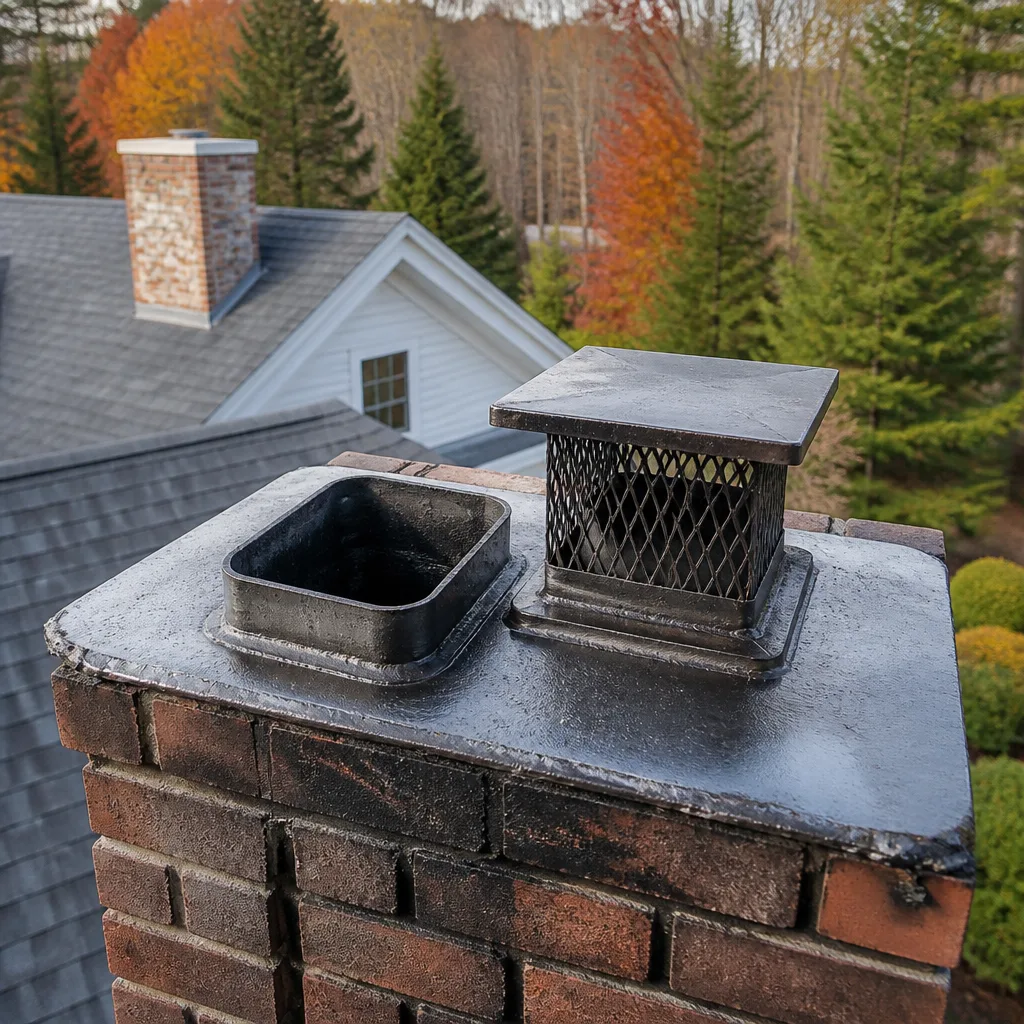
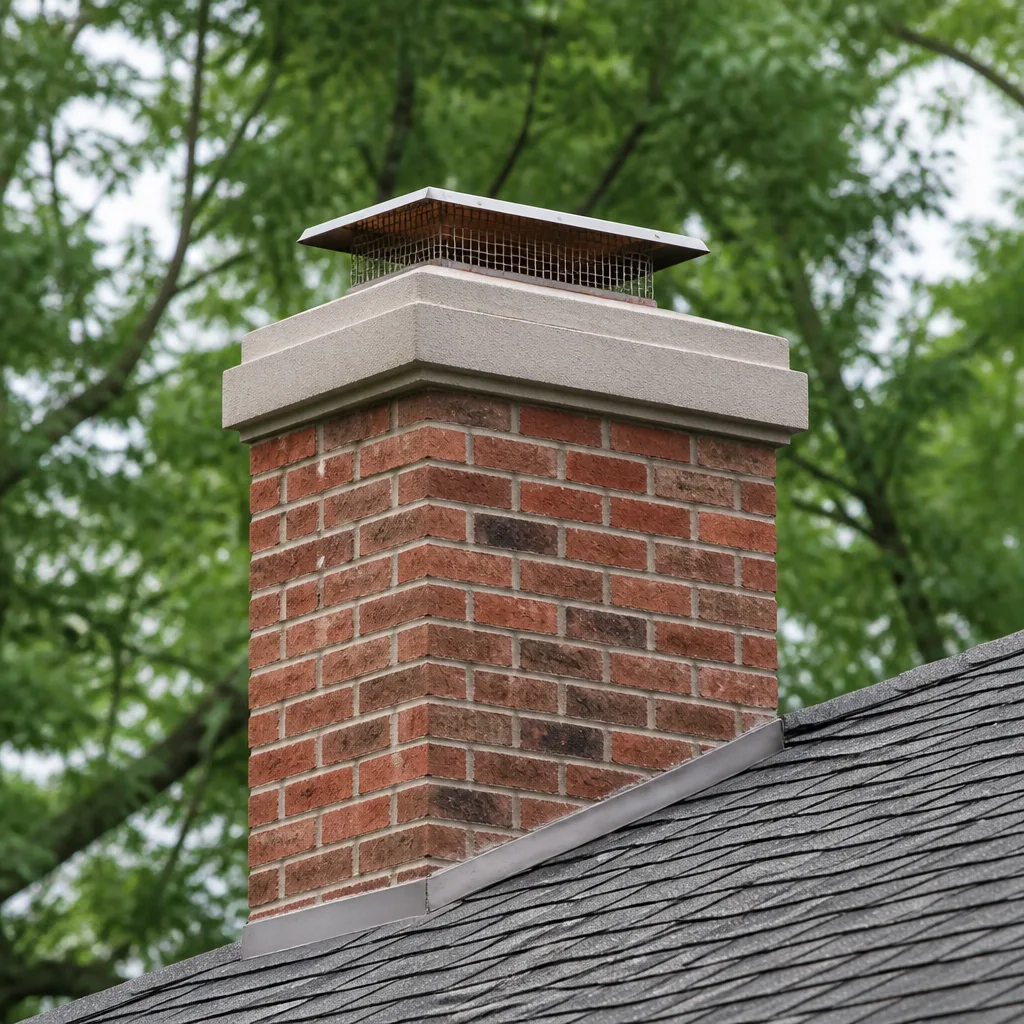
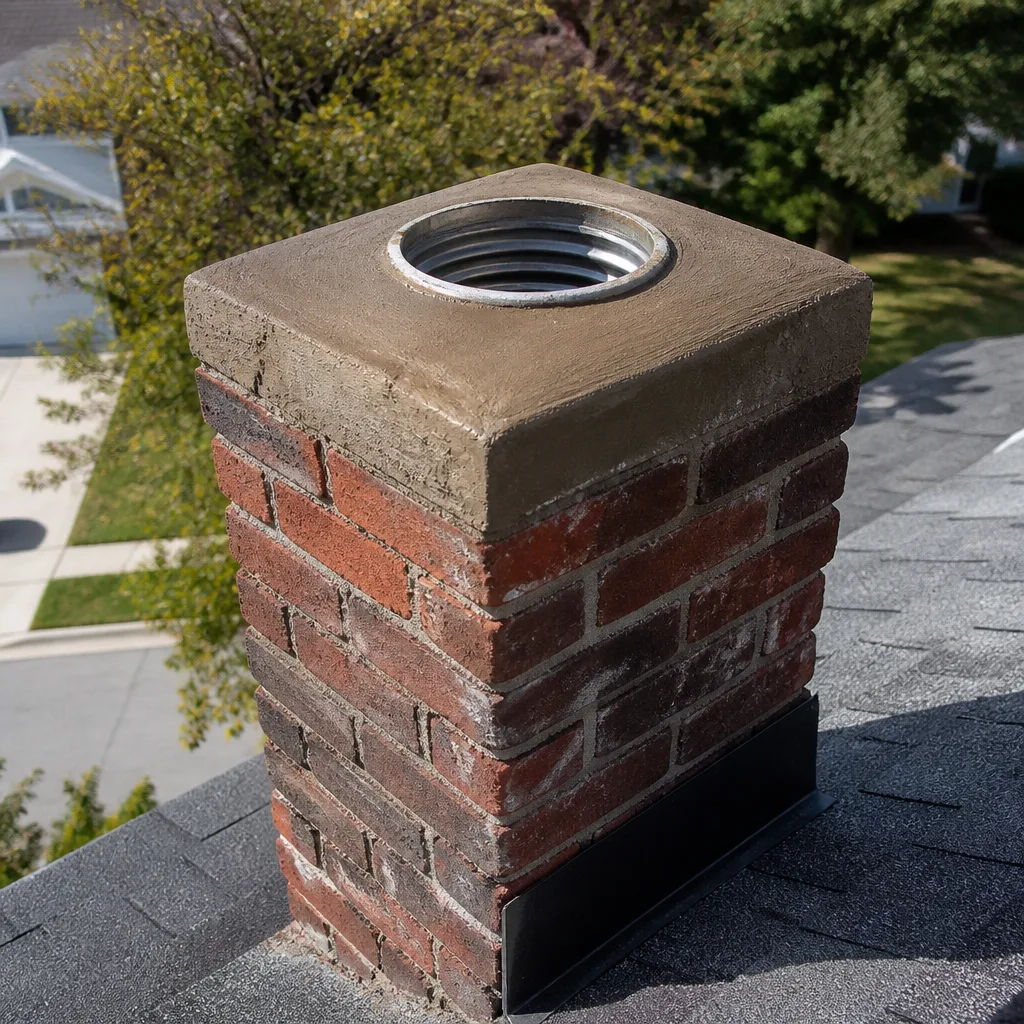
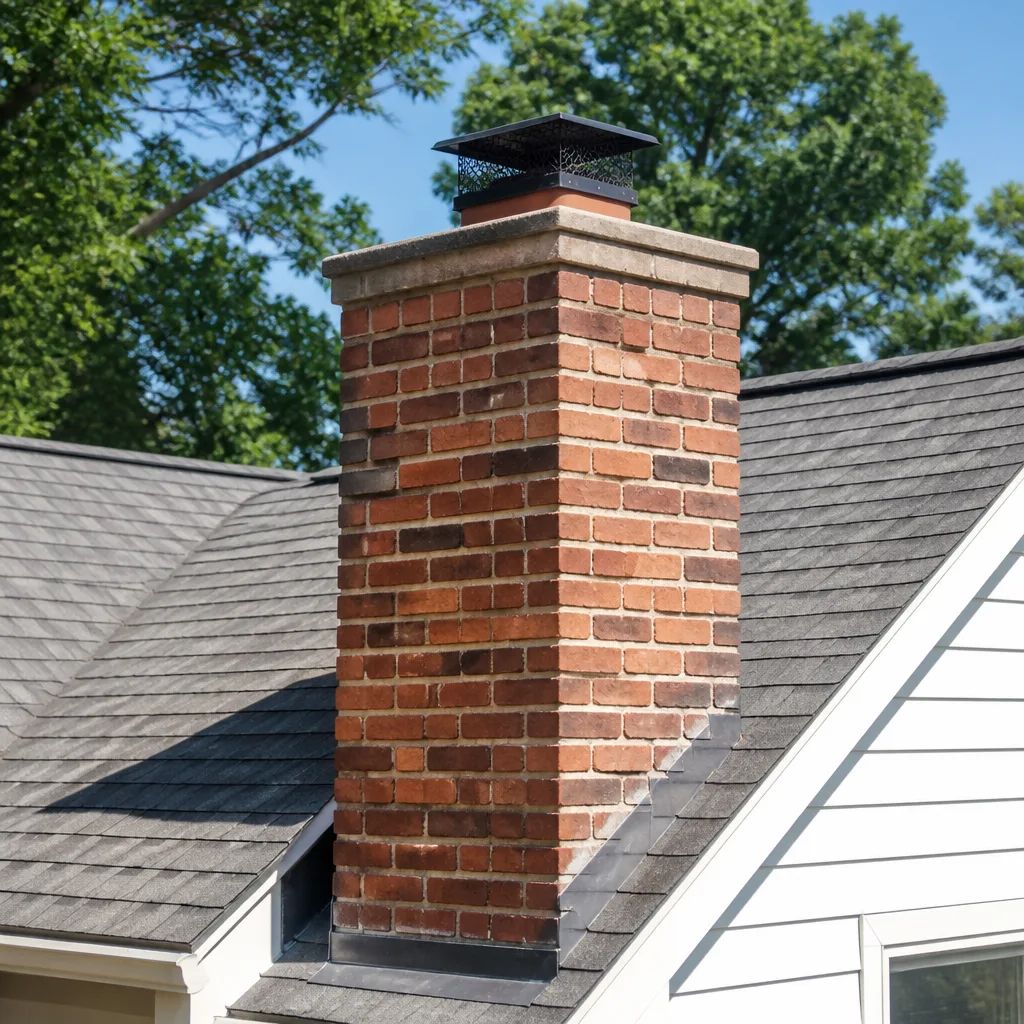
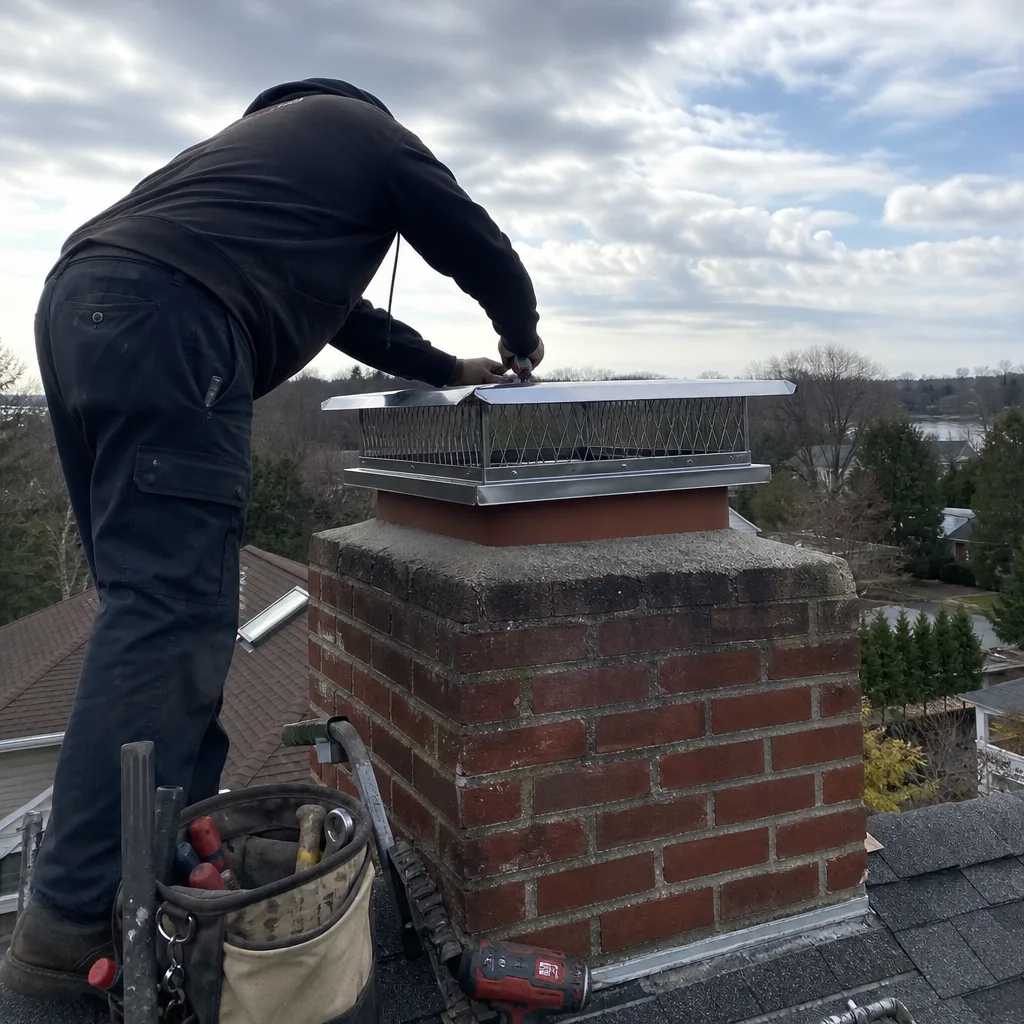
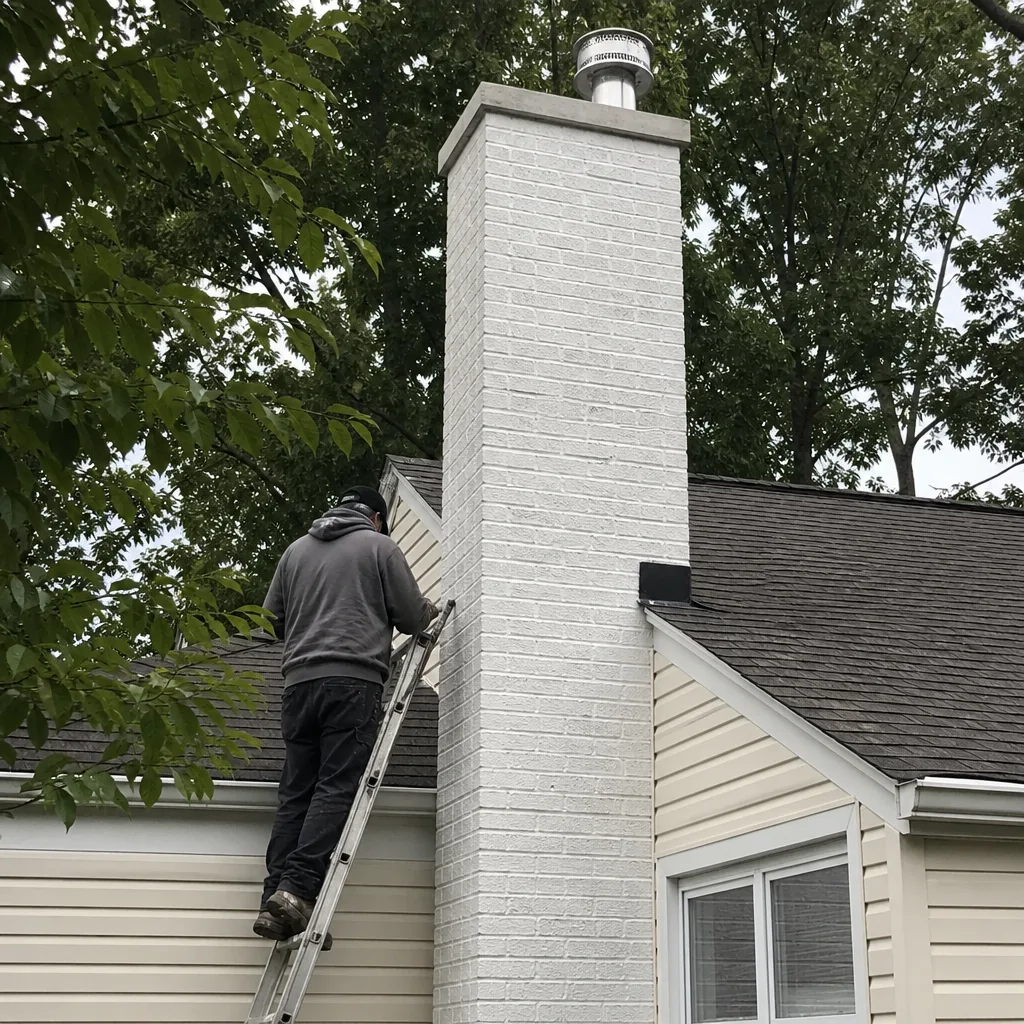
Level 1 sweep and inspection to the NFPA 211 annual standard - flue, crown, cap, and flashing checked and photographed
Chimney sweep logs do not sweep chimneys. They loosen some creosote - which then falls where a brush and vacuum still have to collect it.
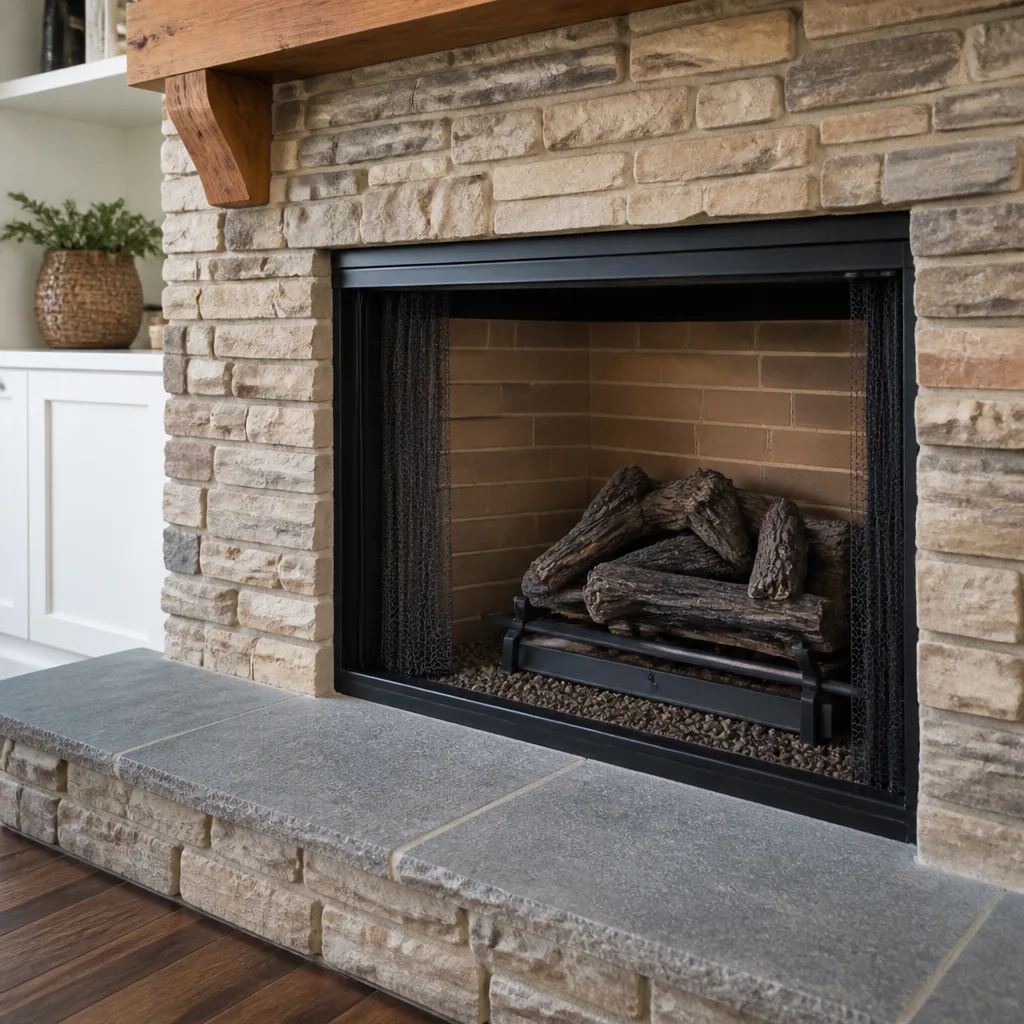
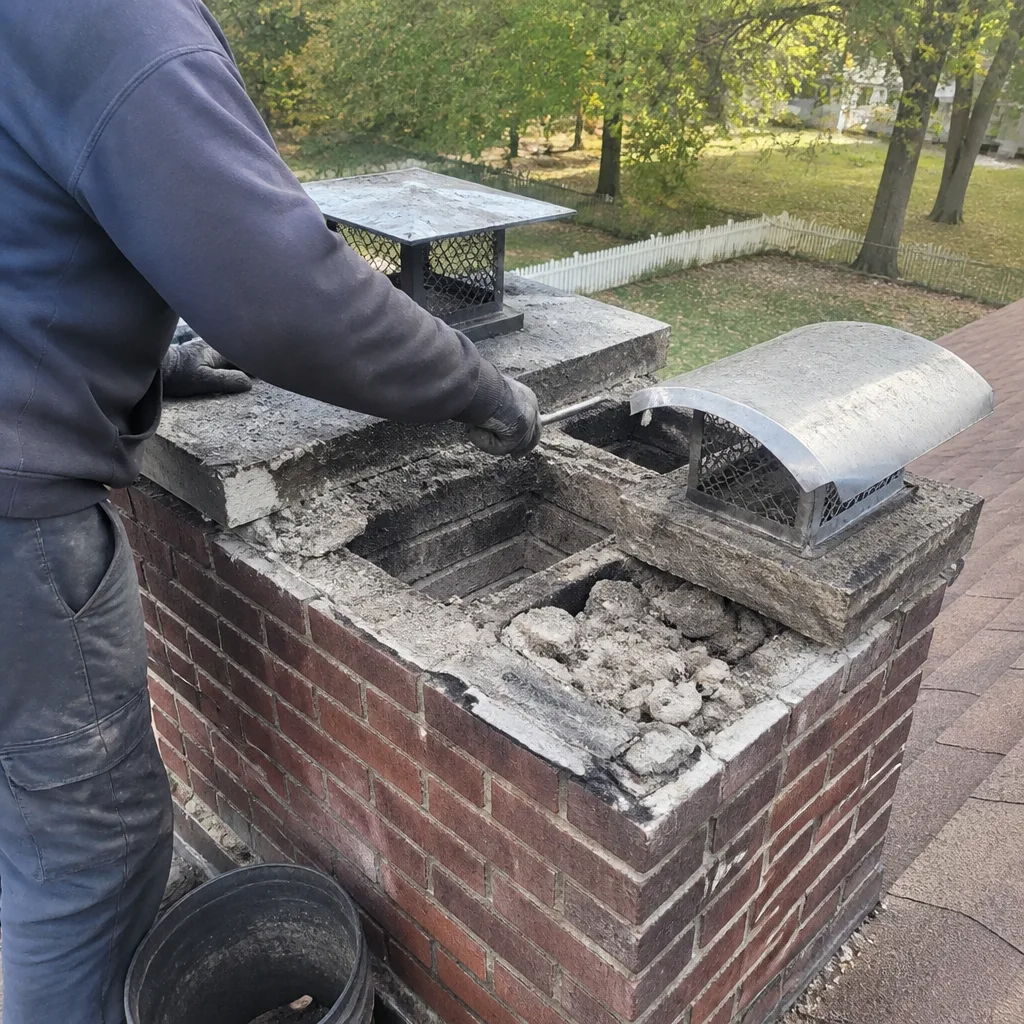 Before
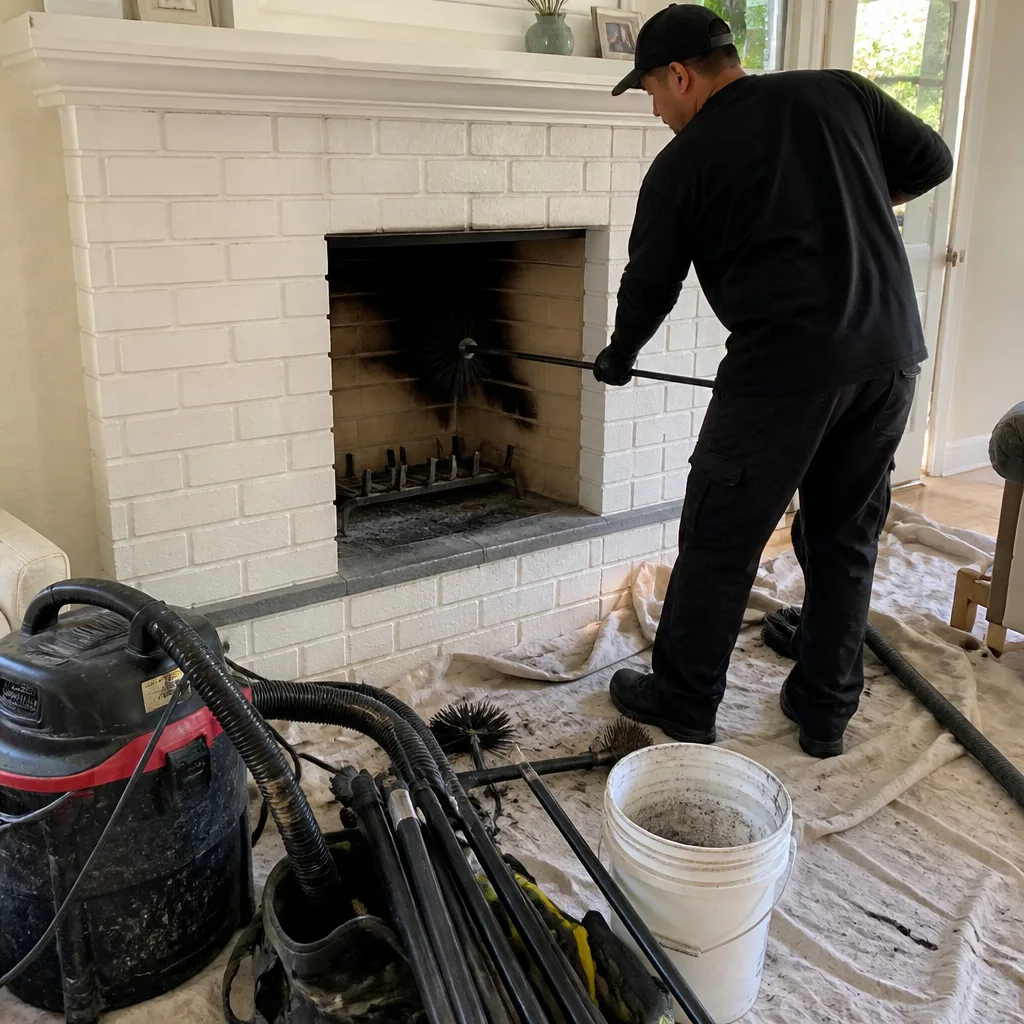 After
After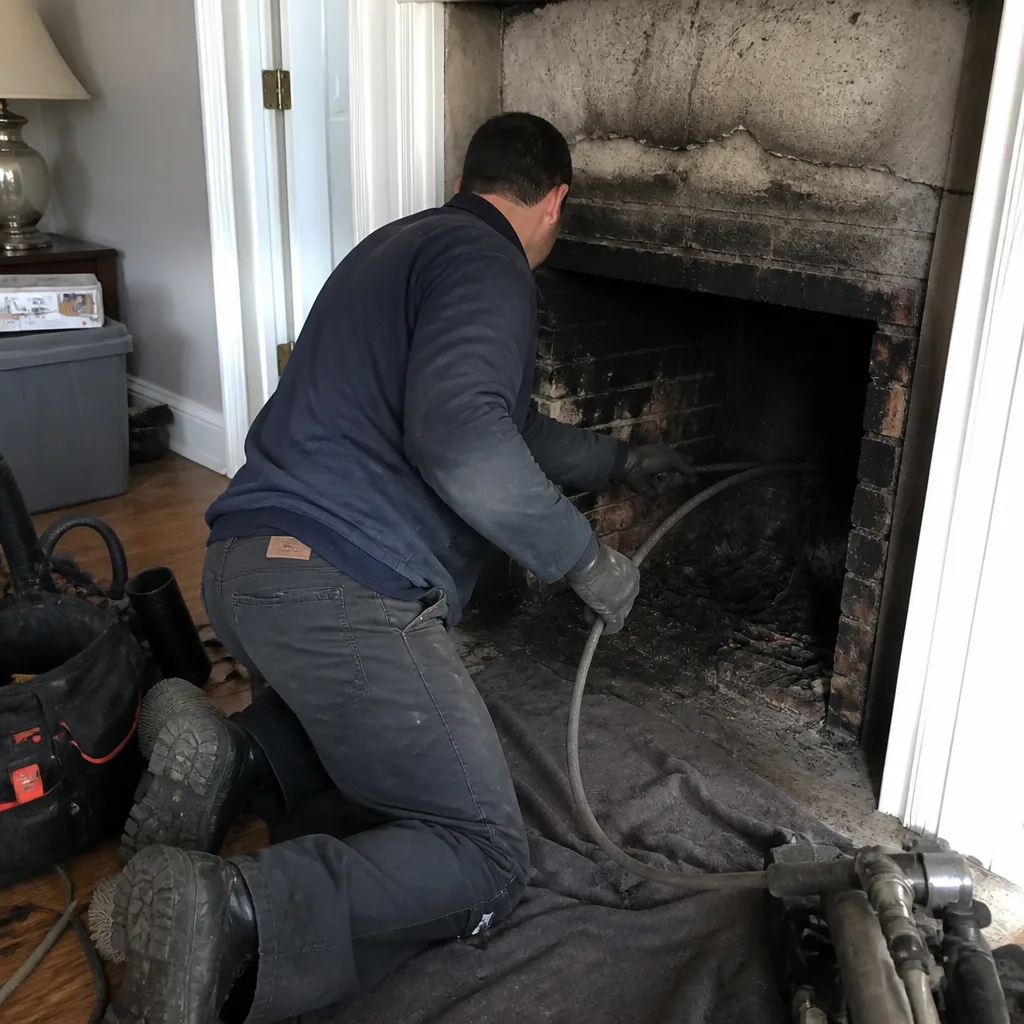 Before
 After
After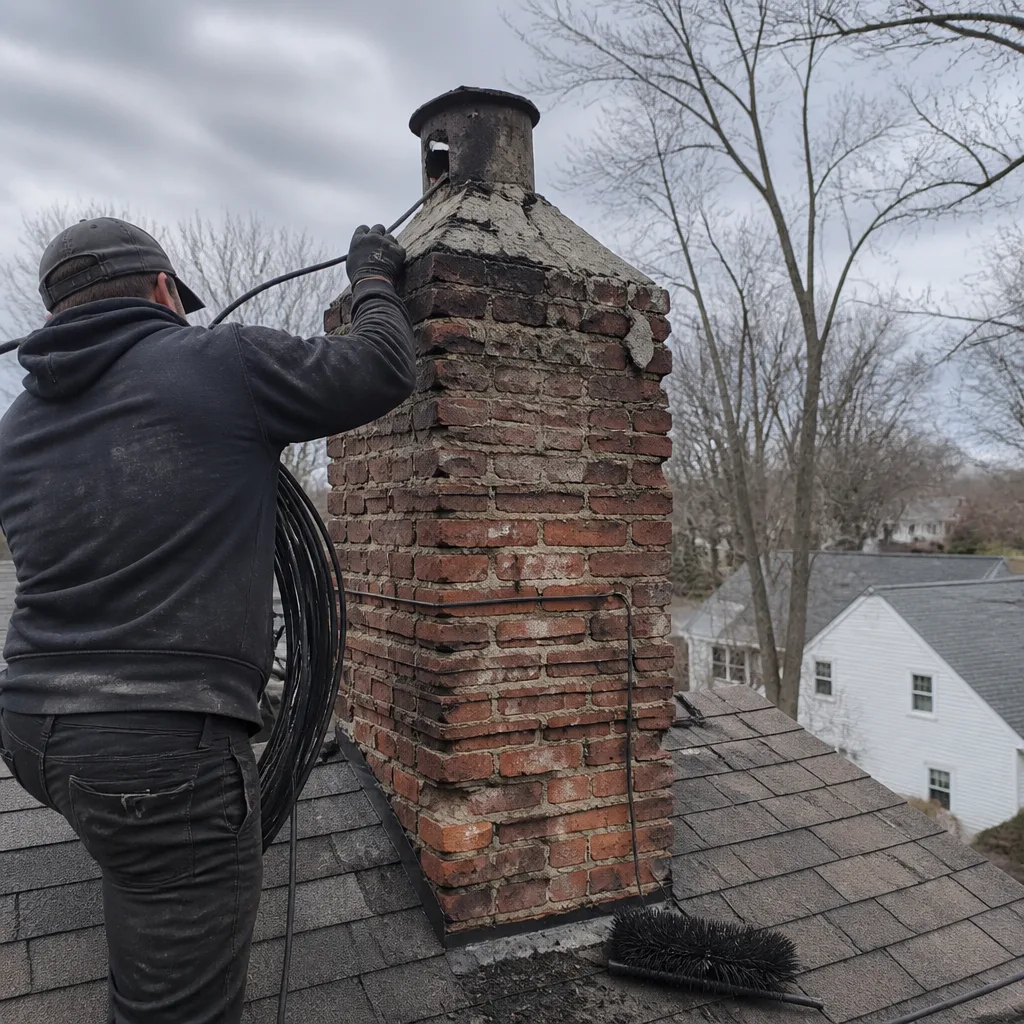 Before
 After
AfterChimney Cleaning & Sweep Maintenance Checklist for New Rochelle Homeowners
The National Fire Protection Association recommends annual chimney inspections, but “annual” assumes you didn’t change your fuel type, burn green wood once, or have a hard freeze crack your flue liner - any of which resets the clock. In New Rochelle, where Long Island Sound moisture meets freeze-thaw winters and summer humidity swells masonry, chimneys age faster than the calendar suggests. This guide gives you the specific observations that distinguish a healthy chimney from one quietly failing between professional visits - not a generic national template, but a month-by-month owner checklist tied to what actually happens here.
Quick Answer
New Rochelle homeowners should inspect their chimney monthly for creosote buildup, exterior masonry damage, and water intrusion signs, schedule a professional Level-2 camera inspection annually, and adjust frequency based on actual burn hours, fuel changes, and weather events like hard freezes or nearby construction. A written log of every fire makes your Chimney Cleaning & Sweep visit faster and prevents small problems from becoming expensive rebuilds.
Table of Contents
- The New Rochelle Month-by-Month Chimney Checklist
- Five Things You Can Safely Check from the Firebox - and Three You Cannot
- How to Keep a Fireplace Log That Saves Time and Money
- Checklist Changes After a Chimney Fire, Hard Freeze, or Nearby Construction
- Manufacturer Warranty Traps Most Homeowners Miss
- Common Mistakes to Avoid
- When to Call a Professional
- Frequently Asked Questions
The New Rochelle Month-by-Month Chimney Checklist
Generic checklists tell you to “inspect your chimney in fall.” That’s not wrong, but it’s not useful. In New Rochelle, the real work starts earlier and runs longer than most homeowners realize.
September: The Pre-Season Inspection
Before you strike the first match, do these checks while daylight still lasts into evening:
- Exterior crown and cap: Look for hairline cracks in the concrete crown from last winter’s freeze-thaw. In the Wykagyl and Bonnie Crest neighborhoods, where mature trees drop debris year-round, check that your cap’s mesh isn’t packed with leaves or nesting material.
- Flashing at the roofline: Our coastal wind patterns drive rain against chimneys from the northeast. Lift any lifted flashing tabs with a flathead screwdriver - gently. If water has been getting in, you’ll see rust stains on the masonry below.
- Damper operation: Open and close fully. It should seat without grinding. A damper that sticks in September will freeze shut by January.
- Firebox interior: Shine a flashlight up the flue from below. You’re looking for shiny black glaze (stage 2 creosote) or puffy, honeycomb deposits (stage 3). Either means don’t burn until a professional sweep evaluates it.
October Through March: Active Burning Season
During burning season, the checklist shrinks to frequency and observation:
- After every third fire: Check the firebox for cracked or spalling firebrick. In homes near the Sound, salt air accelerates deterioration of older refractory materials.
- Weekly: Look up the flue from the firebox with a flashlight. If you see creosote flakes on the smoke shelf, reduce your burn rate - you’re burning too cool or using unseasoned wood.
- Monthly: Walk the exterior after heavy rain. Water staining on the chimney breast inside the house often appears 24-48 hours after the leak starts, not during the storm.
- After any ice storm or rapid freeze: Check the exterior for new cracks. The 2022 Christmas freeze caught many New Rochelle homeowners off guard; thermal shock from 50-degree drops in 12 hours opens hairlines into pathways.
April: The Post-Season Assessment
This is when most homeowners make their biggest mistake - they close up the fireplace and forget it until October. April is when damage is freshest and easiest to document.
- Photograph the firebox, damper, and any interior staining while the memory of winter use is fresh.
- Check the cleanout door (if you have one) for ash compaction that can hold moisture against metal components.
- Walk the roofline if you’re comfortable doing so, or use binoculars from the ground. Look for missing mortar joints, especially on the south face where thermal cycling is most extreme.
May Through August: The Off-Season Maintenance Window
Summer is when reputable sweeps have availability, prices hold steady, and you can schedule a Chimney Cleaning & Sweep in New Rochelle without the October rush. It’s also when moisture does its worst work.
- June: Check for efflorescence - white powder on exterior brick. It means water is moving through the masonry and depositing salts. In the Glenwood Lake area, where water tables run high, this is often the first sign of a failing crown.
- July: After any heavy thunderstorm, check the attic around the chimney penetration for dampness. New Rochelle’s summer storms drive water horizontally; standard chimney caps won’t stop it.
- August: Schedule your annual inspection. Beat the September booking crunch.
Five Things You Can Safely Check from the Firebox - and Three You Cannot
We’ve met too many homeowners who either poked where they shouldn’t have or ignored what they could have caught early. Here’s the line.
Safe to Check Without Tools
- Damper condition: Look for warping, rust, or gaps when closed. A damper that won’t seal costs you heated air and invites downdrafts.
- Firebrick integrity: Tap lightly with a knuckle. Hollow-sounding brick or visible cracks wider than a credit card edge need replacement before next season.
- Smoke shelf accumulation: Shine a flashlight up and back. A light dusting of ash is normal; a thick, greasy layer is a fire hazard and indicates poor draft.
- Visible flue liner sections: If you have a clay tile liner, you can often see the bottom few feet. Look for shifted tiles, gaps between sections, or spalling surfaces.
- Animal intrusion signs: Twigs, feathers, or nesting material on the smoke shelf mean a cap failure or missing cap. Don’t burn until it’s addressed - smoke can asphyxiate nestlings and block your flue.
Require a Camera and Trained Professional
- Upper flue liner condition: Cracks above the first few feet, glaze buildup on vertical surfaces, and liner joint separation are invisible from below. Our Level-2 inspections use a camera that documents every foot - photos you can see, a plain-English verdict.
- Chimney interior masonry: The area between the flue liner and exterior masonry (the wythe) can harbor voids, moisture, or previous fire damage that only a camera reveals.
- Crown interior and wash slope: The top of your chimney may look intact from the ground while water pools internally, rotting the structure beneath.
We’ve pulled nests from chimneys in the Ward Acres area where the homeowner “checked the flue” with a flashlight and saw nothing - because the obstruction was 15 feet up, past the bend. The camera doesn’t guess.
How to Keep a Fireplace Log That Saves Time and Money
A written log transforms your annual sweep from a generic inspection into a targeted diagnostic. After 42 years, we can tell you: the homeowner with a log gets a faster, more accurate visit and rarely faces surprise repairs.
Here’s what to record - and why it matters:
| What to Log | Why It Matters | Example Entry |
|---|---|---|
| Date and duration of each fire | Creosote formation correlates with burn hours, not calendar months | “Jan 14: 4 hrs, oak, damper full open” |
| Wood species and moisture level | Unseasoned softwoods deposit creosote 3x faster than seasoned hardwoods | “Mar 3: pine, questionable dryness, heavy smoke” |
| Damper position and draft quality | Chronic low-draft burns indicate sizing or blockage issues | “Feb 20: damper 1/2 open, smoke lingered, opened window” |
| Any smoke in the room, even briefly | Smoke spillage can indicate a cracked flue or negative pressure | “Dec 28: smoke puffed at startup, cleared after 10 min” |
| Weather conditions | High wind, low pressure, and temperature inversions affect draft | “Jan 8: NE wind 25mph, downdraft until fire established” |
| Changes to house (new windows, exhaust fans, etc.) | Tightening a house can create negative pressure that backdrafts the chimney | “Nov: new range hood installed, stronger draw” |
Bring this log to your inspection. A sweep who knows you’ve burned 80 hours of oak versus 20 hours of pine will inspect differently, as detailed in The Complete Guide to Chimney Cleaning in New Rochelle. In New Rochelle’s older homes - especially the pre-war stock in the Downtown and East End neighborhoods - this context often explains “mystery” draft problems that baffle generic inspections.
We recommend a simple notebook kept near the hearth. Digital works too, but paper doesn’t need charging and survives fireplace soot.
Checklist Changes After a Chimney Fire, Hard Freeze, or Nearby Construction
Certain events reset your maintenance clock. The checklist that worked in September may be dangerously incomplete by March.
After a Chimney Fire
Even a small chimney fire - the kind that sounds like a freight train for 30 seconds, then stops - causes damage you cannot see, and is one of the Chimney Cleaning Warning Signs: A New Rochelle Homeowner’s Reference Guide highlights. The checklist changes entirely:
- Stop burning immediately. Do not use the fireplace again until a Level-2 inspection with camera documentation.
- Inspect exterior masonry for new cracks within 24 hours. Thermal expansion from a chimney fire can split crowns and open mortar joints.
- Check adjacent framing in attic and walls for heat damage or smoldering. We’ve found charred rafters in New Rochelle homes where the homeowner thought the fire “burned itself out.”
- Document everything with photos before any cleanup. Insurance claims require evidence of the event and its aftermath.
A chimney fire can crack a clay flue liner so that gases leak into wall cavities. Carbon monoxide doesn’t smell. This is not a wait-and-see situation.
After a Hard Freeze
New Rochelle’s location on Long Island Sound moderates temperatures, but arctic outbreaks still occur - the February 2023 freeze reached 3°F with 40mph winds. After any freeze where temperatures stay below 15°F for 24 hours:
- Check the crown for new cracks. Water that entered micro-fissures in fall expands and widens them.
- Look for spalling brick - faces of bricks that have popped off from internal ice expansion. The south face typically shows it first.
- Listen for rattling or loose flashing when wind blows. Frozen flashing fasteners can shear.
- Schedule an inspection if your chimney is 30+ years old and unlined. Older masonry in the Wykagyl and Bonnie Crest areas is particularly vulnerable.
After Nearby Construction
Foundation work, demolition, or heavy equipment operation within 200 feet of your chimney can transmit vibration that loosens mortar and shifts liners. We’ve seen this after home additions in the Glenwood Lake area and during the downtown redevelopment projects.
Add these checks:
- Inspect firebox and hearth for new cracks within one week of construction completion.
- Check that the chimney remains plumb - a visible lean after vibration is an emergency.
- Run the damper through full travel; vibration can dislodge counterweights.
- Document pre-construction condition with photos if you know work is coming. Dispute resolution requires a baseline.
Manufacturer Warranty Traps Most Homeowners Miss
Prefabricated fireplaces and metal chimney systems - common in New Rochelle homes built 1970-2000 - carry manufacturer warranties with specific maintenance requirements. Skip them, and a $3,000 warranty claim becomes a $3,000 out-of-pocket replacement.
Here are the checklist items that most commonly void coverage:
| Warranty Requirement | What Homeowners Miss | Documentation Needed |
|---|---|---|
| Annual professional inspection | Self-inspection doesn’t count; must be by a certified technician | Written report with technician signature and company license |
| Approved fuel types only | Burning construction scraps, painted wood, or “just once” with coal | Receipts for purchased fuel; ash analysis if disputed |
| Specific clearances maintained | Moving furniture closer, adding built-in shelving, draping mantel | Photos showing maintained clearances annually |
| Parts from original manufacturer or approved equivalent | Generic replacement blowers, doors, or gaskets from hardware stores | Part numbers on invoices; OEM or approved substitute documentation |
| No modifications without written approval | Adding a gas log set, changing termination cap, extending chimney height | Written manufacturer approval before modification |
We’ve replaced prefab units in the East End where the homeowner had 18 years of maintenance records - but none from a certified technician, and the manufacturer denied a cracked heat exchanger claim. The $89 annual inspection would have saved the $2,400 replacement.
If you don’t know your fireplace’s brand and model, check the metal rating plate inside the firebox or behind the lower louver. Common brands in New Rochelle homes include units compatible with Fireplace Services in New Rochelle from manufacturers whose warranties require documented professional maintenance.
Common Mistakes to Avoid
- Assuming “no smell” means “no problem.” Carbon monoxide and deteriorating flue gases are odorless. A chimney can be actively dangerous with no warning signs detectable without instruments.
- Using the ” flashlight test” as a full inspection. Shining a light up the flue from the firebox reveals only the bottom 3-4 feet. We’ve found complete liner collapse at 12 feet that looked fine from below.
- Burning with a damaged or missing chimney cap. New Rochelle’s squirrel and raccoon populations are active year-round. A missing cap is an invitation to nesting, and a single nest can block a flue completely.
- Ignoring efflorescence as “just cosmetic.” That white powder means water is moving through your masonry, dissolving salts, and depositing them on the surface. It’s a symptom of internal saturation that destroys brick from within.
- Waiting for October to schedule. The best sweeps in Westchester County book solid by mid-September. Schedule in August for September service, or you’ll be choosing from who’s left, not who’s best.
- Using “chimney cleaning logs” as a substitute for sweeping. These products may reduce light creosote but cannot address stage 3 glaze or inspect for structural damage. They’re a supplement, not a replacement.
- Failing to check the cleanout door. In homes with basement cleanouts, a stuck or rusted door traps moisture against the chimney base. We’ve found cleanouts packed solid with decades of compacted ash that rotted the foundation-facing masonry.
When to Call a Professional
Some situations don’t belong on a homeowner checklist at all. Call a certified chimney professional if you notice any of the following:
- Smoke entering the room at any time, not just at startup
- Visible cracks in the flue liner, or pieces of clay tile in the firebox or cleanout
- A chimney fire at any scale, even one that self-extinguished
- Water staining on interior walls or ceilings adjacent to the chimney
- A leaning chimney or separated chimney from the house wall
- More than 1/8 inch of creosote buildup, or any glazed (shiny black) deposits
- Any changes after nearby construction, foundation work, or seismic events
Hearthstone Chimney Co. offers free estimates in New Rochelle - call (516) 927-2678. Our Level-2 camera inspections end with photos you can see and a plain-English verdict. Most jobs are completed in a single visit, and the number on your estimate is the number on your invoice. If it’s not done right, we make it right - in writing, no arguing.
Frequently Asked Questions
A standard chimney cleaning and inspection in New Rochelle typically runs $200-$350 for a straightforward masonry fireplace with accessible roofline, while prefabricated units or chimneys requiring extensive creosote removal may reach $400-$550. Factors that increase cost include steep roof pitch (common in the Bonnie Crest and Wykagyl hillside homes), blocked flues requiring mechanical removal, and the need for camera inspection to document liner condition. Call (516) 927-2678 for an exact quote - estimates are free, and our $89 Seasonal Tune-Up covers basic cleaning and safety inspection for qualifying systems.
The NFPA recommends annual inspection for all chimneys and sweeping when creosote reaches 1/8 inch thickness - which, for regular winter users in New Rochelle, typically means annual sweeping. However, frequency should increase if you burn more than three times weekly, use unseasoned wood, or experience a chimney fire. Coastal moisture and freeze-thaw cycles here also mean that even infrequently used chimneys need annual inspection for water damage and structural deterioration. Call (516) 927-2678 to discuss your specific burn pattern and schedule appropriately.
You need a new liner when your existing one is damaged, improperly sized, or absent - and only a camera inspection can determine this with certainty. Common indicators include pieces of clay tile in the firebox, visible cracks in accessible liner sections, or a liner that doesn’t extend the full chimney height. In New Rochelle’s older homes, especially pre-1940 construction in the Downtown and East End, unlined chimneys are common and require modern stainless steel or DuraFlex relining for safe operation. We never recommend liner replacement without camera evidence you can see for yourself; some conditions can be monitored rather than immediately replaced.
Skipped maintenance leads to three predictable outcomes: creosote accumulation that fuels chimney fires, water intrusion that destroys masonry from within, and undetected liner damage that allows carbon monoxide or fire to enter living spaces. In New Rochelle’s climate, we’ve seen chimneys that appeared sound externally but had completely deteriorated flue liners channeling exhaust into wall cavities. The cost of prevention - typically under $300 annually - compares to $3,000-$15,000 for rebuilds, fire damage restoration, or worse. Call (516) 927-2678 for a free estimate and honest assessment of your current condition.
Homeowners can safely remove light ash and inspect accessible components, but professional cleaning requires proper brushes, rods, and vacuum equipment sized to your flue, plus the training to recognize damage signs that indicate unsafe operation. In New Rochelle, where many chimneys serve multiple appliance types and local codes require proper venting documentation, DIY cleaning may also complicate insurance claims or warranty coverage. For the firebox-level checks in this guide, you’re qualified; for anything involving the flue interior, roof access, or structural evaluation, the risk of missing something critical exceeds any savings.
Ask for proof of state licensing, general liability and workers compensation insurance, and whether the inspection includes camera documentation with photos you receive. Ask how long they’ve served New Rochelle specifically - local climate knowledge matters. Ask whether their estimate is binding or subject to “additional findings,” and whether they carry the professional-grade materials (such as Olympia Chimney, Famco, or Copperfield products) your system may need. Ask who answers the phone at 10 PM on a Saturday. At Hearthstone Chimney Co., it’s a live person, 24 hours a day, 7 days a week - not a voicemail, not a callback queue.
The Bottom Line
A useful chimney checklist tells you what to observe, not just what to check off - explore our more guides & resources for year-round maintenance help. In New Rochelle’s specific climate - salt air, freeze-thaw cycles, mature tree canopy, and coastal wind patterns - the observations that matter differ from generic national advice. Log your burns. Inspect monthly during season. Photograph annually. Reset your schedule after weather events, fires, or nearby construction. And never let a warranty requirement surprise you: document your professional maintenance, or pay twice when you need it most.
The master sweep’s steady advice is this: do the thing correctly, and you won’t have to think about it again. That’s what 42 years of serving homeowners in communities like New Rochelle has taught us. Done right - and we stand behind it.
Written by Russell Haines, Owner at Hearthstone Chimney Co., serving New Rochelle since 2014.